Disclosure: Writing Mindset only endorses things that I’ve personally used, something similar, or come highly recommended by trusted peers. If you grab anything I mention using a referral link, I may get a small commission. However, there’s no extra cost to you. If you would like to learn more, please visit the privacy policy and disclosure page.
Peter H. Reynolds’ The Word Collector and The Gift of Words celebrate the beauty and power of language and its ability to connect us to ourselves and one another. In The Word Collector, readers meet Jerome, a boy who collects words as others might collect treasures. In The Gift of Words, he shares those words, reminding us that language is a gift meant to be given and received. Together, these books invite readers to explore how words shape our thoughts, express our emotions, and contribute to our sense of identity.
Both texts offer an invitation to notice, study, and collect language, finding inspiration for stories and writing in the words we encounter every day. For writers, they demonstrate that words carry meaning beyond communication; they are tools for reflection, storytelling, and connection. For journalers, they create space to explore the words we hold close, the language that moves us, and the phrases that help us make sense of our experiences and the world around us.
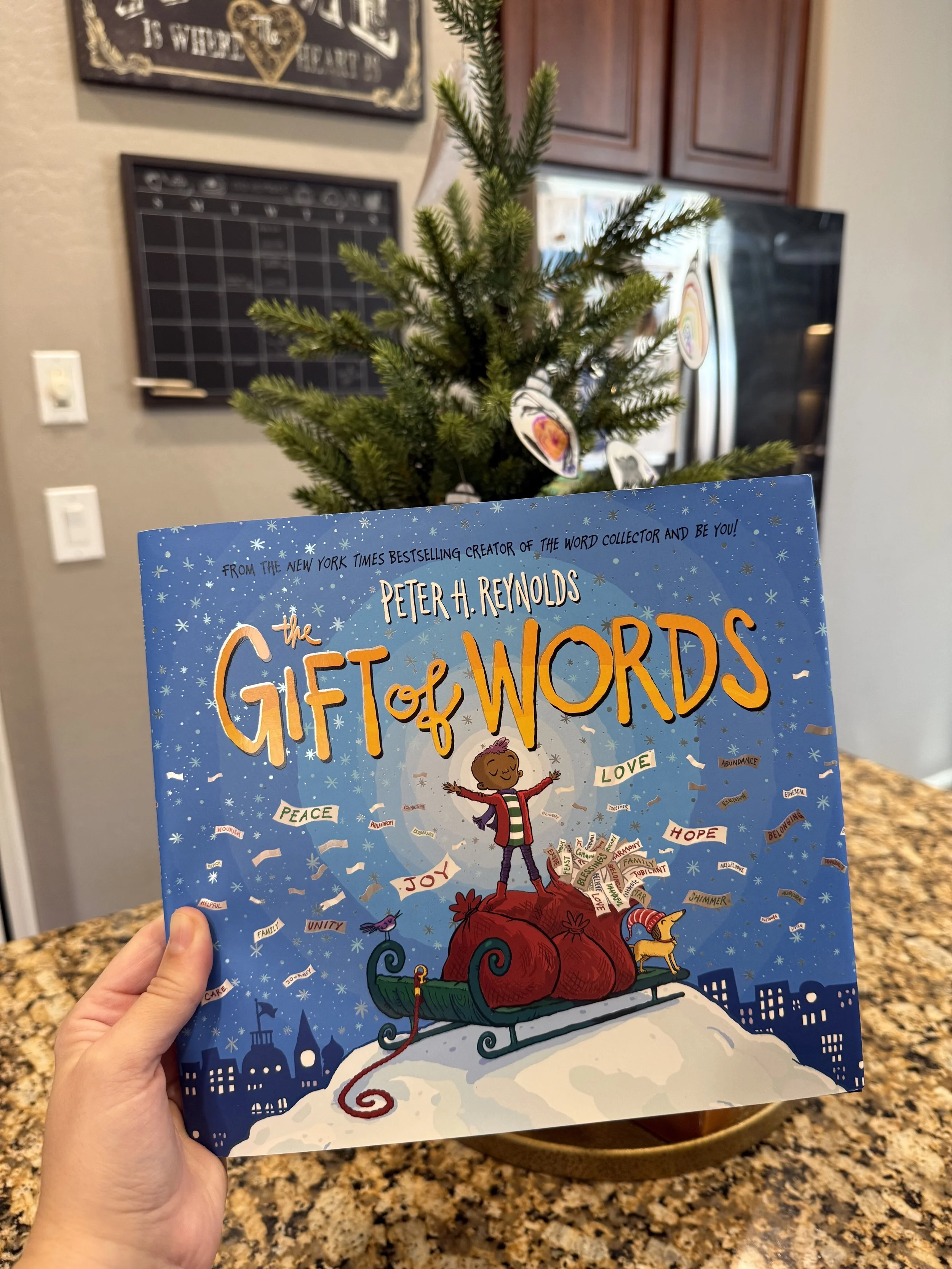
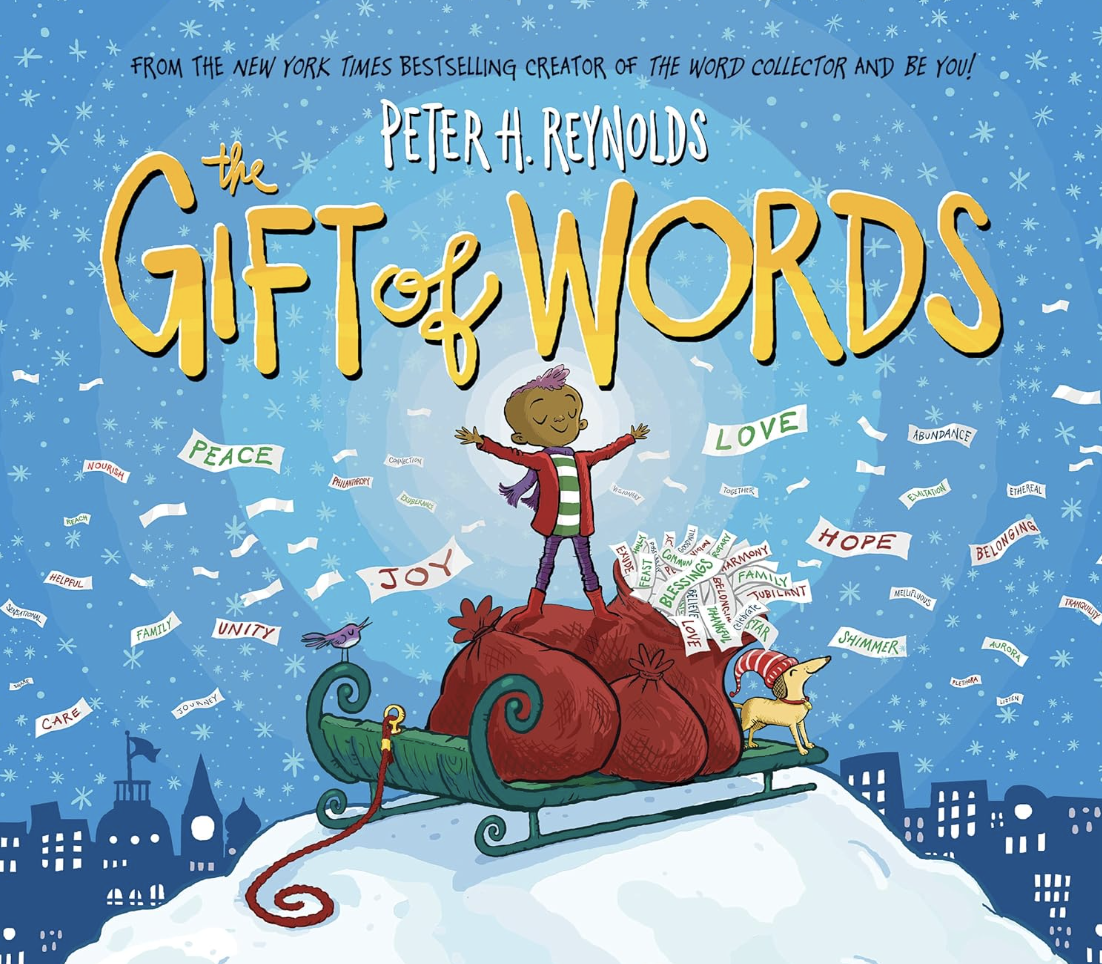
The Gift of Words (A Holiday Picture Book)
An inspirational holiday story celebrating the power of words -- an epic follow-up to the New York Times bestselling classic The Word Collector by creative visionary Peter H. Reynolds.
So many words, strung together, shimmering and dreamy. So many people, connected, together, hopeful and united. And that was the power of the gift of words. A gift for all.
Jerome is looking forward to collecting words this holiday season! Words of hope, love, and joy to share with his loved ones. But as he begins his search, he discovers that inspirational words are hard to come by. In the end, Jerome finds a way to connect with his community and join together in sharing the greatest gift of all: the gift of words.
From our most celebrated, bestselling creator Peter H. Reynolds, comes an uplifting holiday tale about the power of the gift of words -- an important addition to the Word Collector collection, and the perfect way to celebrate the holiday season.
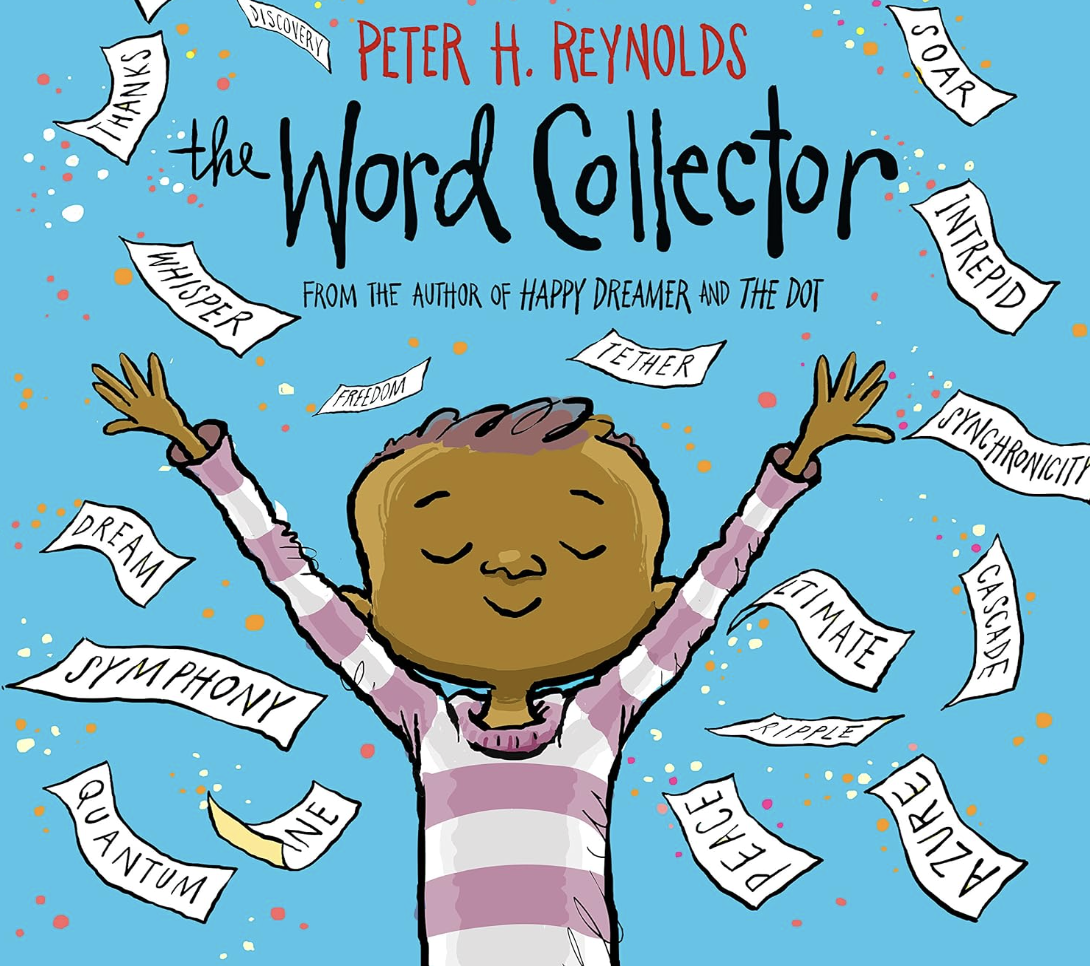
The Word Collector
From the creator of The Dot, I Am Human, and Happy Dreamer comes a celebration of finding your own words -- and the impact you can have when you share them with the world.
Some people collect stamps. Some people collect coins. Some people collect art. And Jerome? Jerome collected words . . .
In this extraordinary new tale from Peter H. Reynolds, Jerome discovers the magic of the words all around him -- short and sweet words, two-syllable treats, and multisyllable words that sound like little songs. Words that connect, transform, and empower.
Using The Word Collector and The Gift of Words as Mentor Texts
These mentor texts were chosen for their celebration of expressive language, emotional resonance, and the mindful use of words. Reynolds shows how writers can craft meaning with simplicity and intentionality, reminding us that even the smallest words can make a big difference. In To Read Stuff You Have to Know Stuff: Helping Students Build and Use Prior Knowledge by Kelly Gallagher, he reminds us about the power of collecting words: “In my notebook, I keep a list of words I like and words I do not like. As students read their independent books, core works, and book club selections throughout the school year, have them generate their own lists of words in their notebooks” (Gallagher, 46). I have always loved the idea of loving language enough to collect the most basic level of its form: individual words. I also feel like this is the power behind building better readers and writers—starting the the level of words.
When reading the books, notice how they:
Illuminate the beauty of individual words
Jerome collects words for their sound, meaning, surprise, and emotional power.
Highlight the connection between language and identity
Words shape how we think, see the world, and express who we are.
Show words as tools for connection
From sharing his word collection to giving words as gifts, the texts model compassion and communication.
Encourage curiosity and playfulness
Reynolds invites readers to notice words in the world around them and to interact with them creatively.
As mentor texts, these books encourage students and journalers to recognize that words aren’t just part of writing—they are the foundation for thinking, reflecting, and connecting.
Read Related Blog Posts >> Using the I Am Series as Mentor Texts

Journaling Prompt: “My Collection of Words”
Open your journal and try this reflective exercise:
Step 1: Start a personal word bank
Choose a handful of words that matter to you—beautiful words, powerful words, comforting words, strange words, or words that describe who you are becoming.
Step 2: Reflect on why each word matters
Does it remind you of someone? Does it connect to a memory, a place, or a feeling?
Step 3: Use your words in a short journal entry
Write 3–5 sentences or a paragraph connecting your chosen words to your life.
Step 4: Add a layer of meaning
How do these words support, inspire, or guide you? What do they reveal about your identity or your hopes?
Why This Works
Writing with intentional word choice helps students and journalers become more thoughtful communicators. Collecting and reflecting on meaningful words builds vocabulary, emotional awareness, and creative expression. It also encourages mindfulness—slowing down enough to notice the words that shape our inner and outer worlds.
👉 Try starting with:
“A word I want to carry with me is…”
or
“This word helps me understand…”
Let your chosen words lead the way.
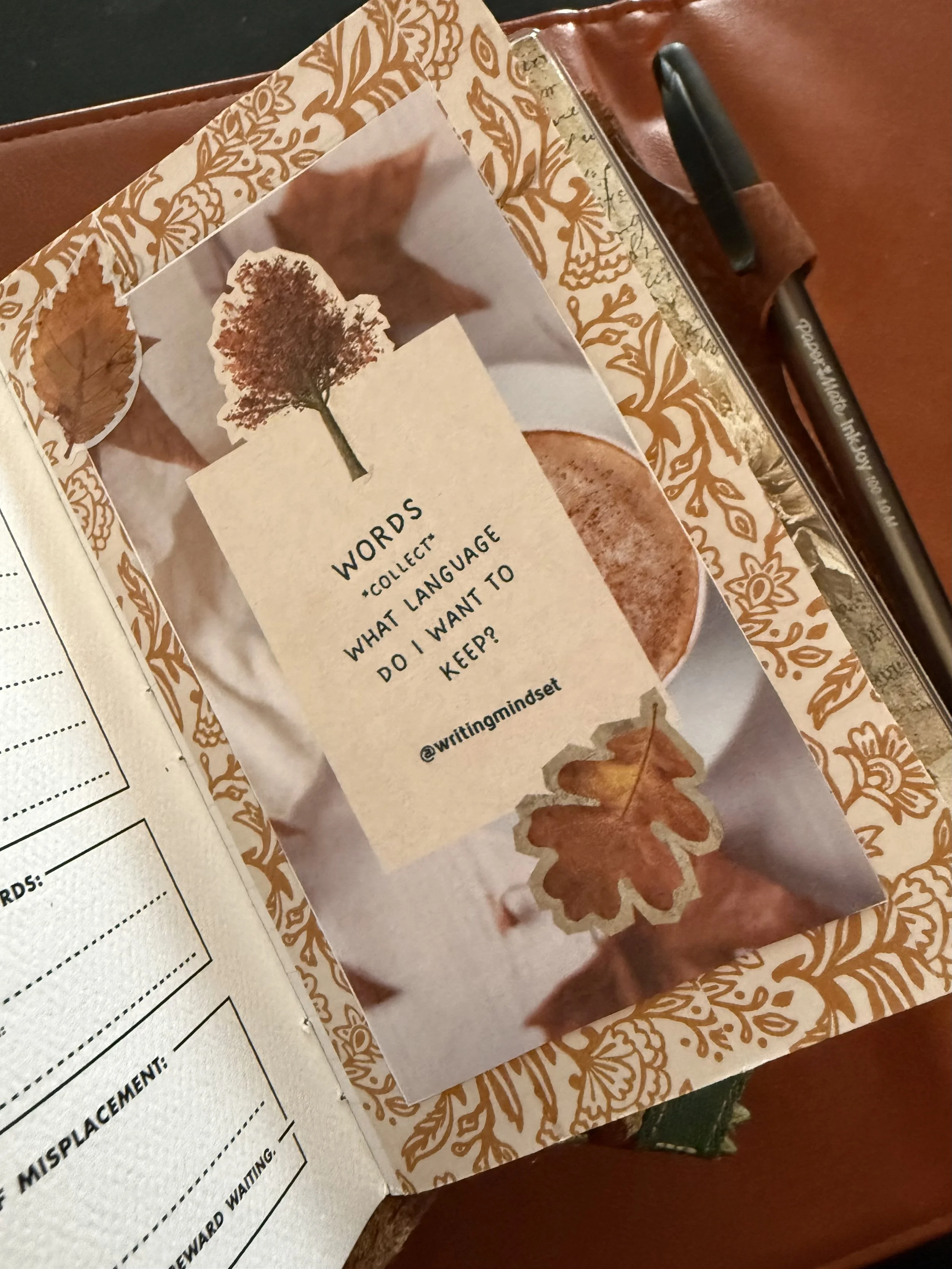
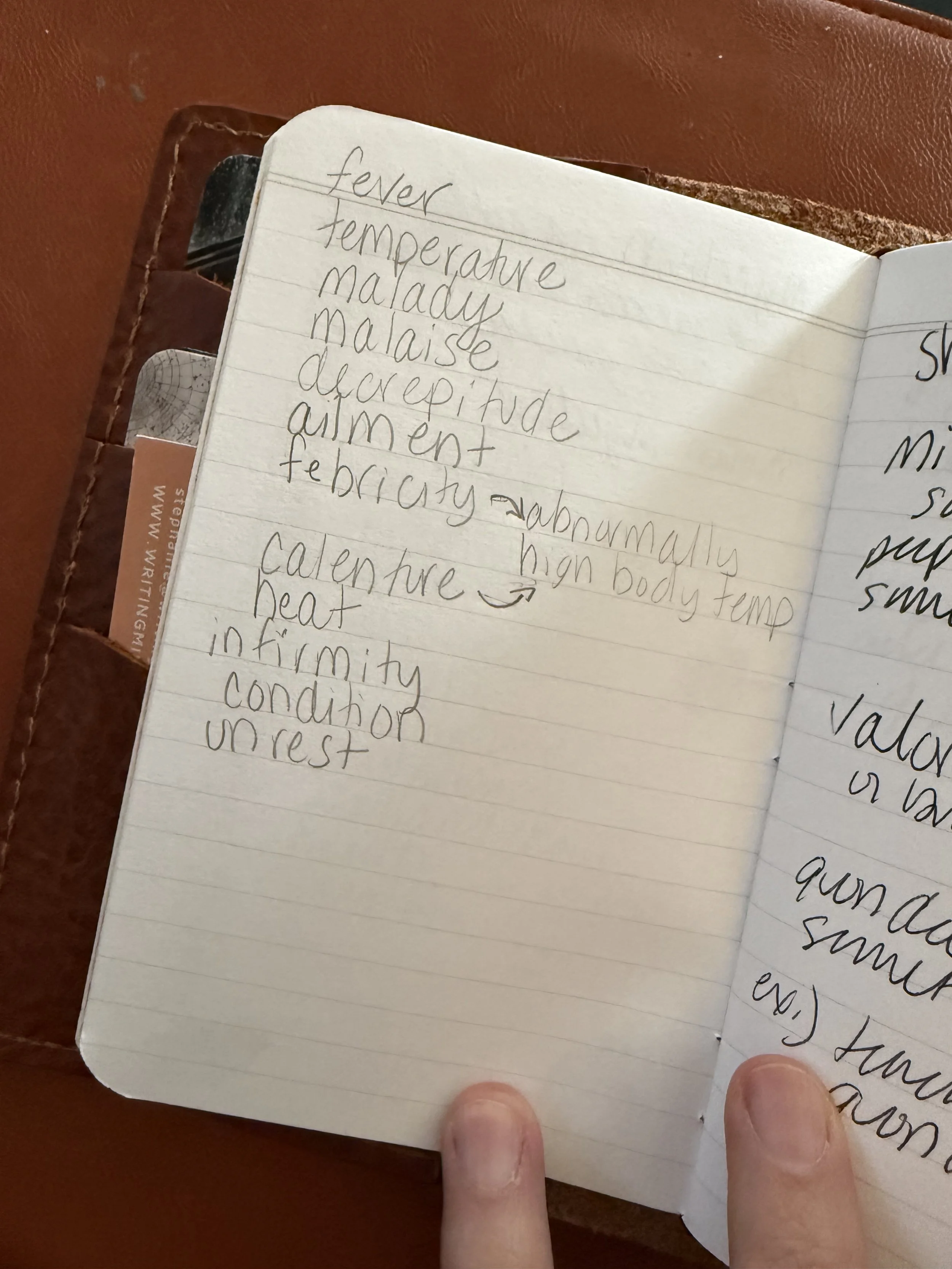
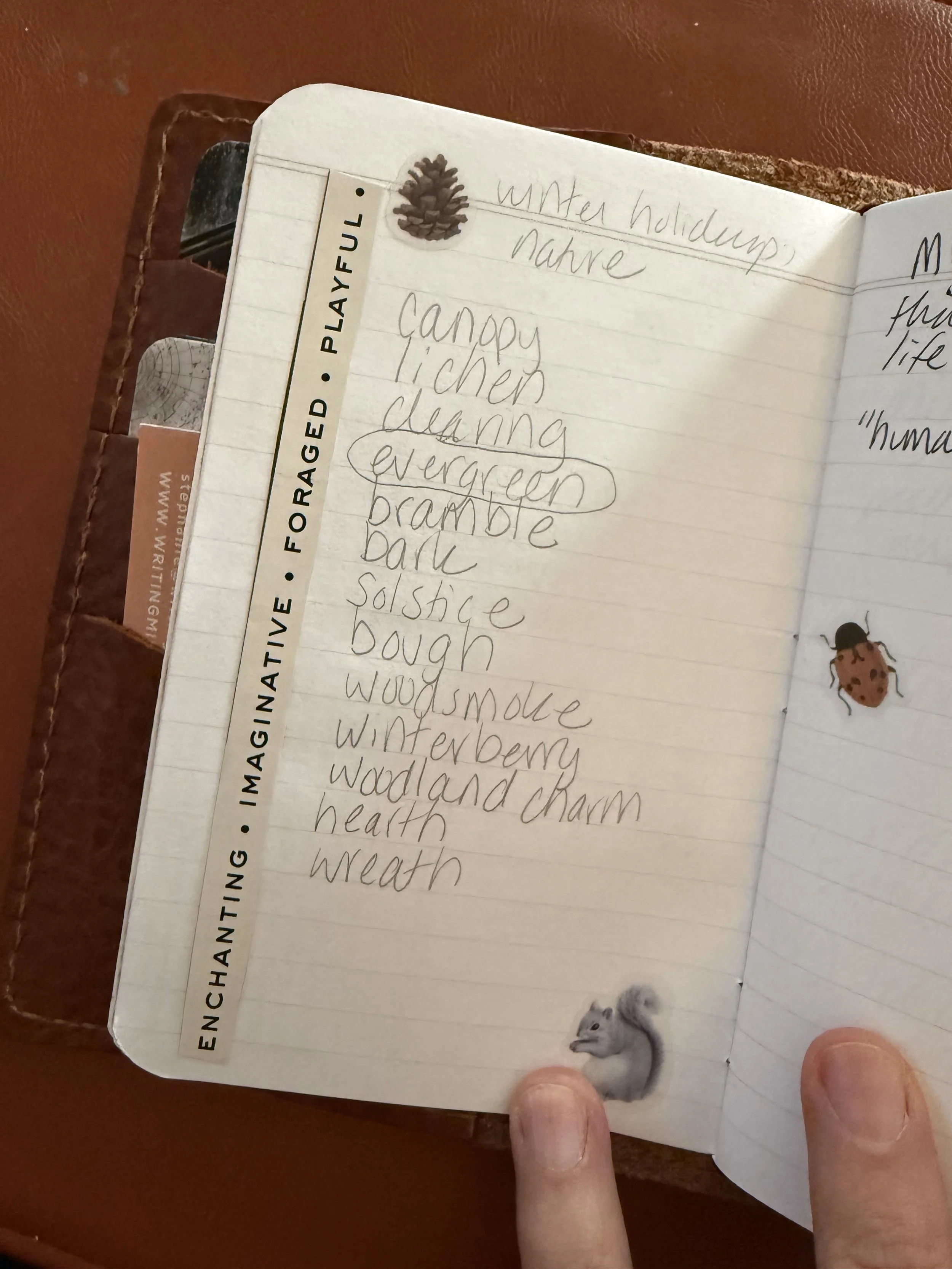
For Educators: Bringing Peter H. Reynolds into the Classroom
Preschool Literacy Connections
Focus on naming and exploring new words.
Create a class “word wall” of interesting, kind, or descriptive words.
Use simple sentence stems: “I hear the word…”, “I like the word…”
Bonus Activity: Create a “good words” or positivity tree with tiny slips of paper. (Our tree is below!)
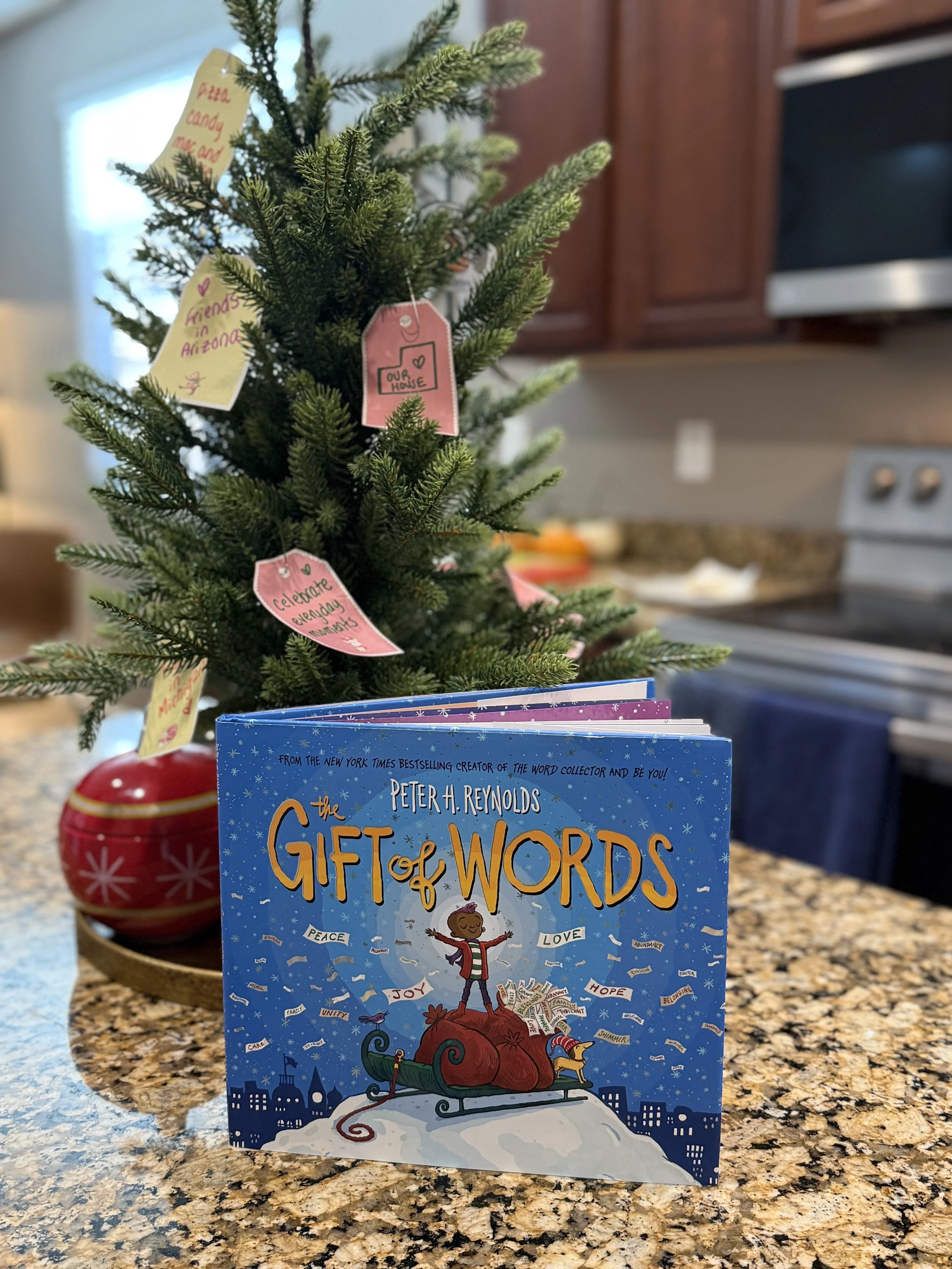
Grades K–5
Encourage students to create their own word collections in notebooks.
Partner writing with illustration—just as Reynolds does—to show emotion or imagery.
Have students write a short piece using 3–5 words from their word collection.
Grades 6–8
Use the books to introduce tone and connotation.
Quick-write prompt: “Choose two words that mean something to you and write about how they influence your thinking.”
Discuss how words can persuade, celebrate, or comfort.
Turn your word wall into a collection of words on a tree or using another form of a display
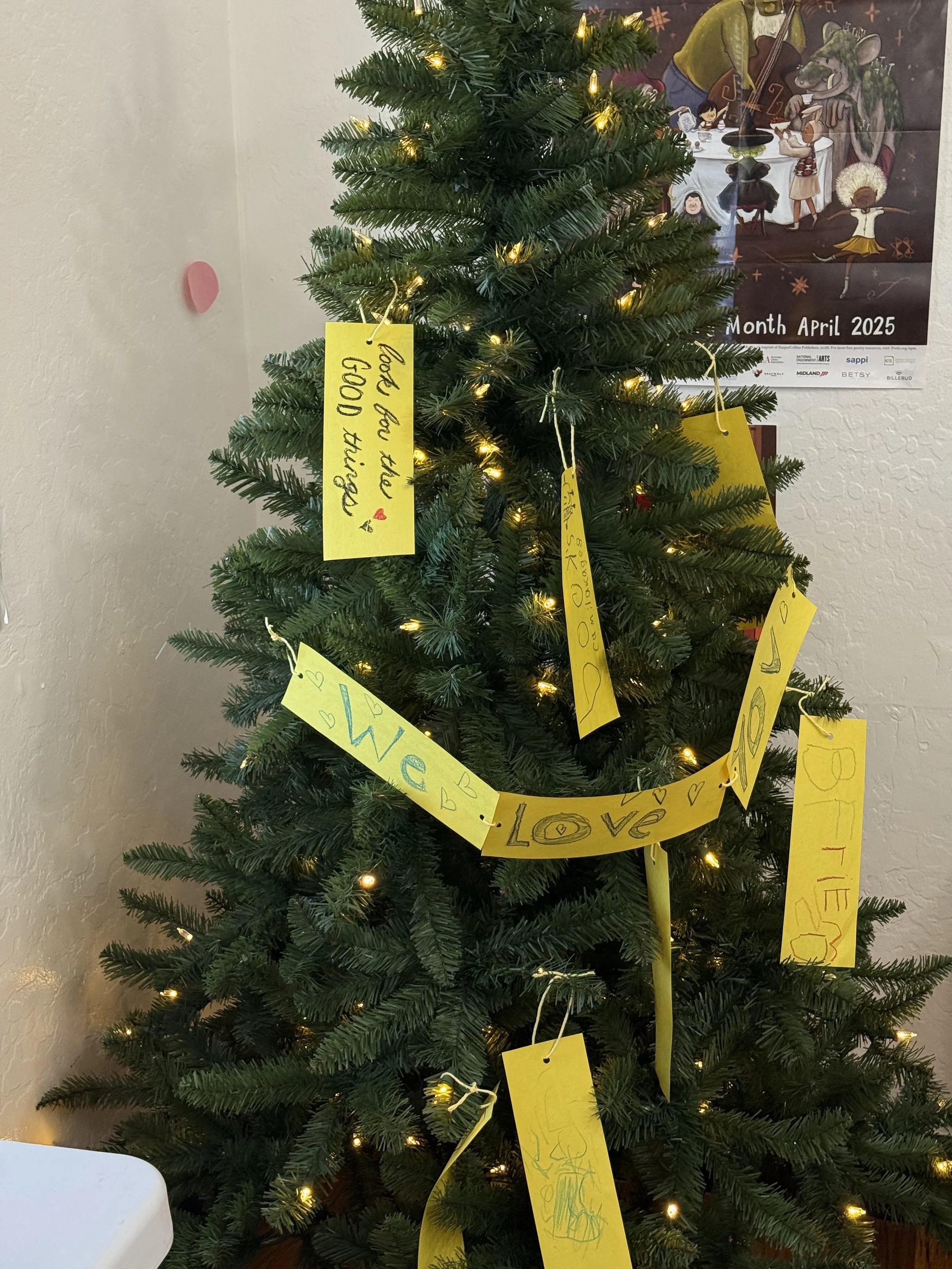
Grades 9–12
Analyze how Reynolds uses words symbolically and thematically.
Write a reflective essay about the words that have shaped one’s identity.
Combine visual journaling, collage, or sketchnotes with written reflection to explore the impact of language.
Grammar Focus: Using Precise Word Choice to Strengthen Writing
Enhance writing by choosing words that convey specific meaning:
Original: “I felt happy.”
Expanded: “I felt a bright, growing joy as I stepped into the sunlight.”
Invite students to revise a line of writing, swapping vague words for vivid or meaningful ones. Encourage them to pull vocabulary directly from their word collections.
Nature Journaling Connection
Connect words to the natural world through sensory language:
“The creek murmurs as it slips over smooth stones.”
“Golden leaves drift like quiet notes across the path.”
“Wind hums through the pine branches, whispering stories.”
Take your journal outdoors and gather words inspired by nature—sounds, colors, textures, emotions.
Additional Journal Prompts for Wellness
“A word that makes me feel grounded is…”
“A word someone gave me that mattered is…”
“A word I want to give to someone else is…”
“If my heart could choose one word today, it would be…”
These prompts support reflection, self-connection, and emotional clarity.
Disciplinary Literacy Connections
These texts can be used across the curriculum:
Science: Build discipline-specific word collections (energy, habitat, erosion) and write short explanations using them.
Social Studies: Gather words that describe community, leadership, or culture.
Math: Create a vocabulary-based math journal using precise terminology.
Art: Illustrate meaningful words using color, line, and texture to show tone and emotion.
This approach strengthens domain vocabulary, conceptual understanding, and academic communication.
Final Thought
The Word Collector and The Gift of Words remind us that language is both powerful and personal. The words we collect—and the words we share—shape our stories and strengthen our connections to ourselves and others. Whether in the classroom or within the quiet space of a journal, these books encourage us to notice the words that move us and honor the voice within.