
The Everyday Noticing Field Guide & Related Resources
A Noticing-to-Writing Approach for Joyful Writing for All Ages
A simple approach to building stronger writers using the books you already have and the world around them

Pause, Notice, Write, Repeat
〰️
Pause, Notice, Write, Repeat 〰️
These field guides began with a simple idea: that the world becomes richer when we slow down long enough to notice it. Noticing doesn’t require special training or elaborate tools. It starts in ordinary moments—watching light move across a wall, paying attention to the sound of a room, or noticing something you’ve passed a hundred times without really seeing it.
In a world that often rewards speed, productivity, and constant attention shifts, these guides are an invitation to do something different. To pause. To look again. To let curiosity lead.
Each field guide is designed as a gentle structure for that practice of attention. You’ll find activities that invite observation, reflection, drawing, and writing—not as assignments to complete perfectly, but as openings into thinking more deeply about the world around you.
You don’t need to be a writer, an artist, a scientist, or an educator to begin. You only need a willingness to slow down and notice what is already there.
Whether you’re using these guides with children, students, or for your own personal practice, my hope is the same: that they help you reconnect with everyday life in a way that feels grounded, meaningful, and a little more alive.
Start where you are. Notice what you notice. And see where it takes you.
I’m so glad you are here.
For all writers, learners, and thinkers
The Everyday Noticing Field Guide
What happens when we slow down long enough to truly notice the world around us?
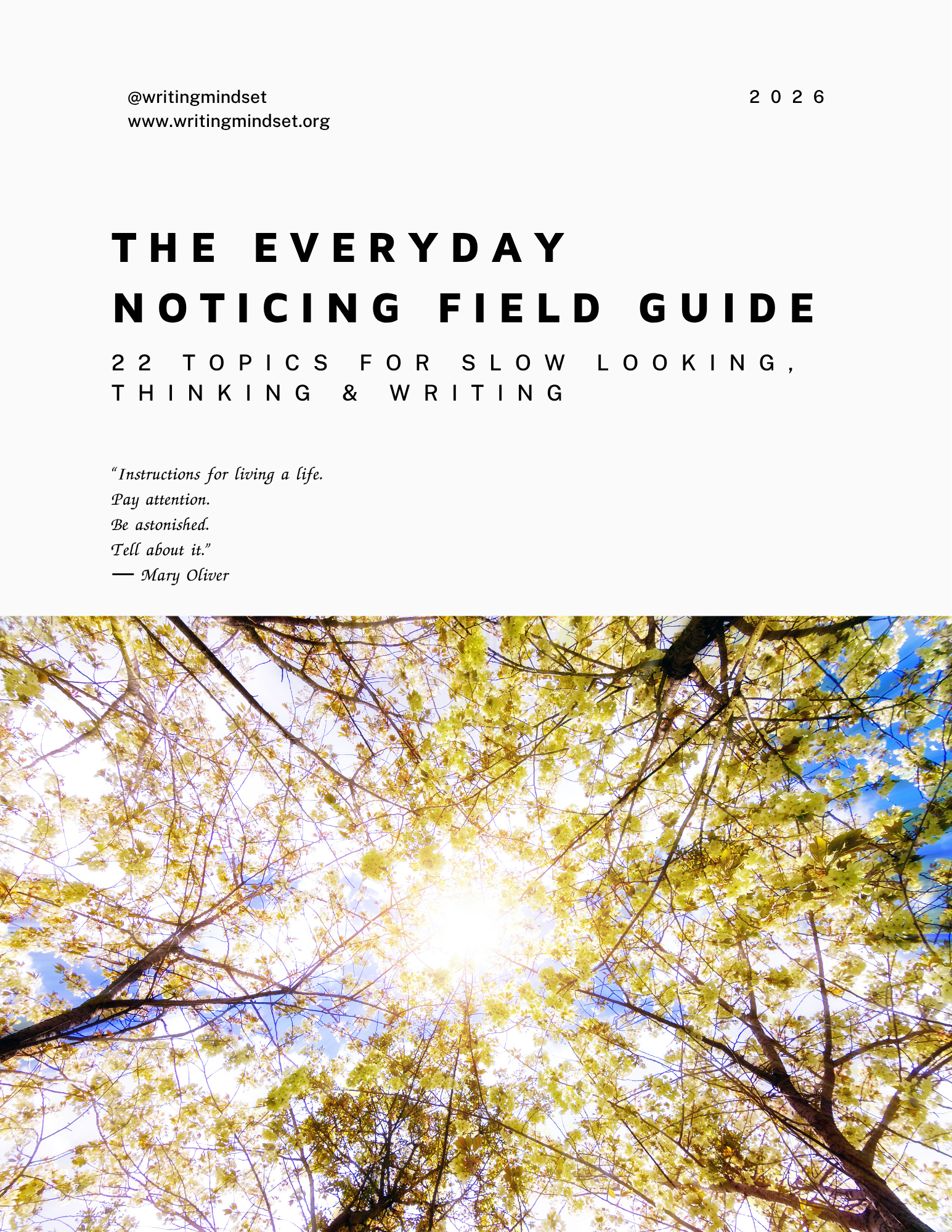
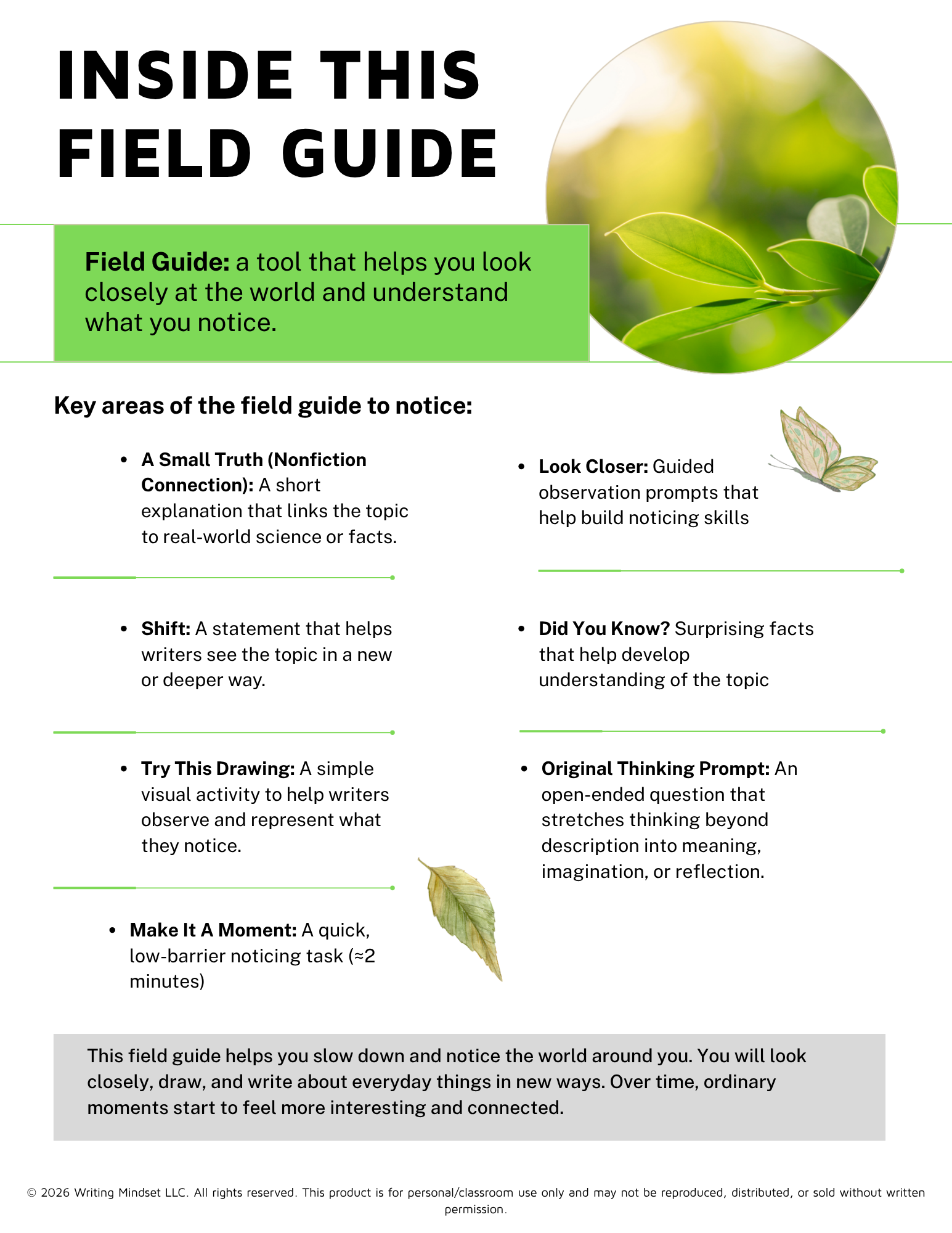
The main resources, The Everyday Noticing Field Guide, is a 22 activity guided experience designed to help teachers, writers, and curious observers reconnect with attention, creativity, and meaningful reflection through everyday life.
Through short, approachable entries focused on ordinary things—clouds, doors, shadows, birds, trees, dust, light, home, insects, and more—you’ll practice seeing familiar spaces with fresh eyes.
Each day includes:
A short nonfiction “small truth”
Guided observation prompts
Quick sketching and notebook invitations
Writing progressions
Reflection and discussion ideas
Mini-lesson support for educators
Whether you’re preparing for the school year or looking for a personal creative reset, this guide invites you to notice more deeply and think more intentionally.

-
The guide begins with one simple idea: meaningful thinking starts with attention.
In a world built around speed, this practice helps readers pause long enough to observe small details, changing patterns, and moments often overlooked. Instead of rushing toward answers, learners begin with curiosity.
For teachers, this creates stronger descriptive writing and authentic classroom discussion.
For writers, it becomes a daily practice of mindfulness, reflection, and creative renewal. -
A cloud becomes a conversation about change.
A fly becomes a lesson in systems and perspective.
A shadow becomes evidence of movement, light, and time.The field guide helps readers discover that ordinary objects and moments can lead to deeper thinking, storytelling, science, memory, and meaning.
Students do not need extraordinary experiences to write well—they need practice noticing what is already around them.
-
Many students—and adults—struggle to begin writing because they believe they have “nothing to say.”
This guide changes the starting point.
Each activity moves naturally from:
noticing → sketching → thinking → writingWriters learn how collecting specific details creates stronger imagery, richer reflection, and more original ideas. The process feels accessible because the writing grows directly from real observation.
-
Noticing helps us feel connected:
to place
to memory
to nature
to other people
and to ourselves
The guide encourages readers to ask thoughtful questions, consider different perspectives, and recognize meaning in small moments. Over time, observation becomes more than a writing strategy—it becomes a way of moving through the world with curiosity and care.
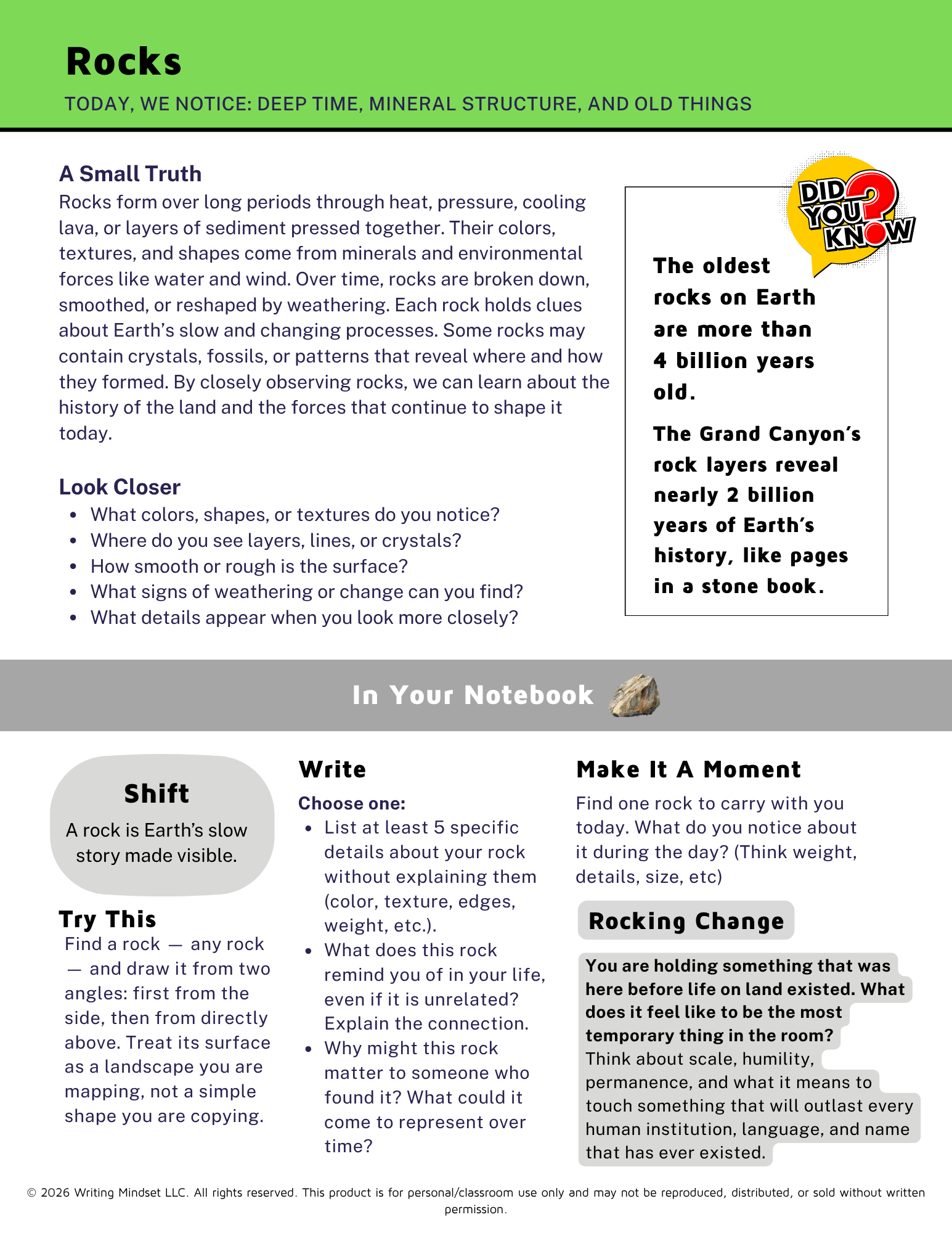
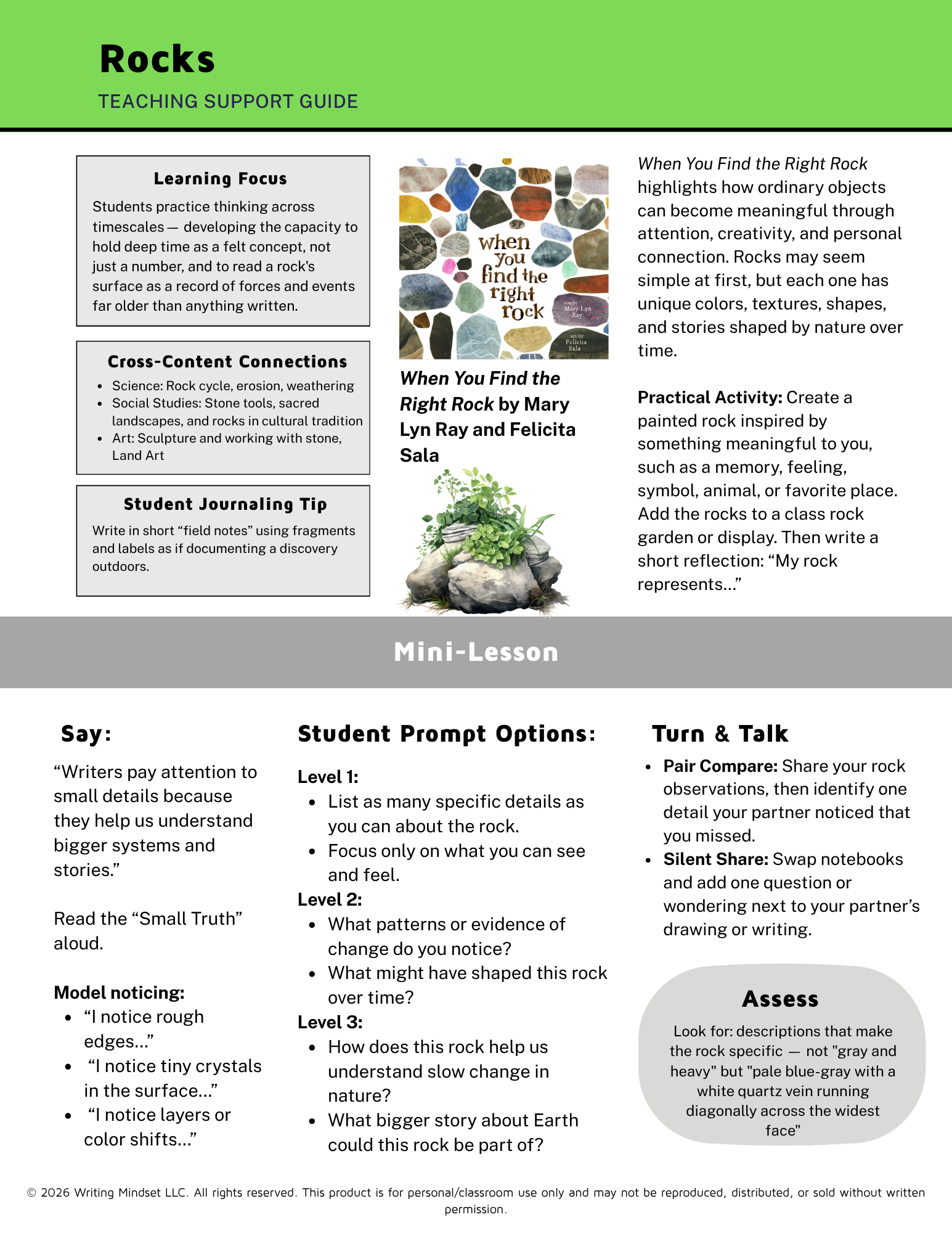
Download Free Samples Activities: Rocks, Home, and Time
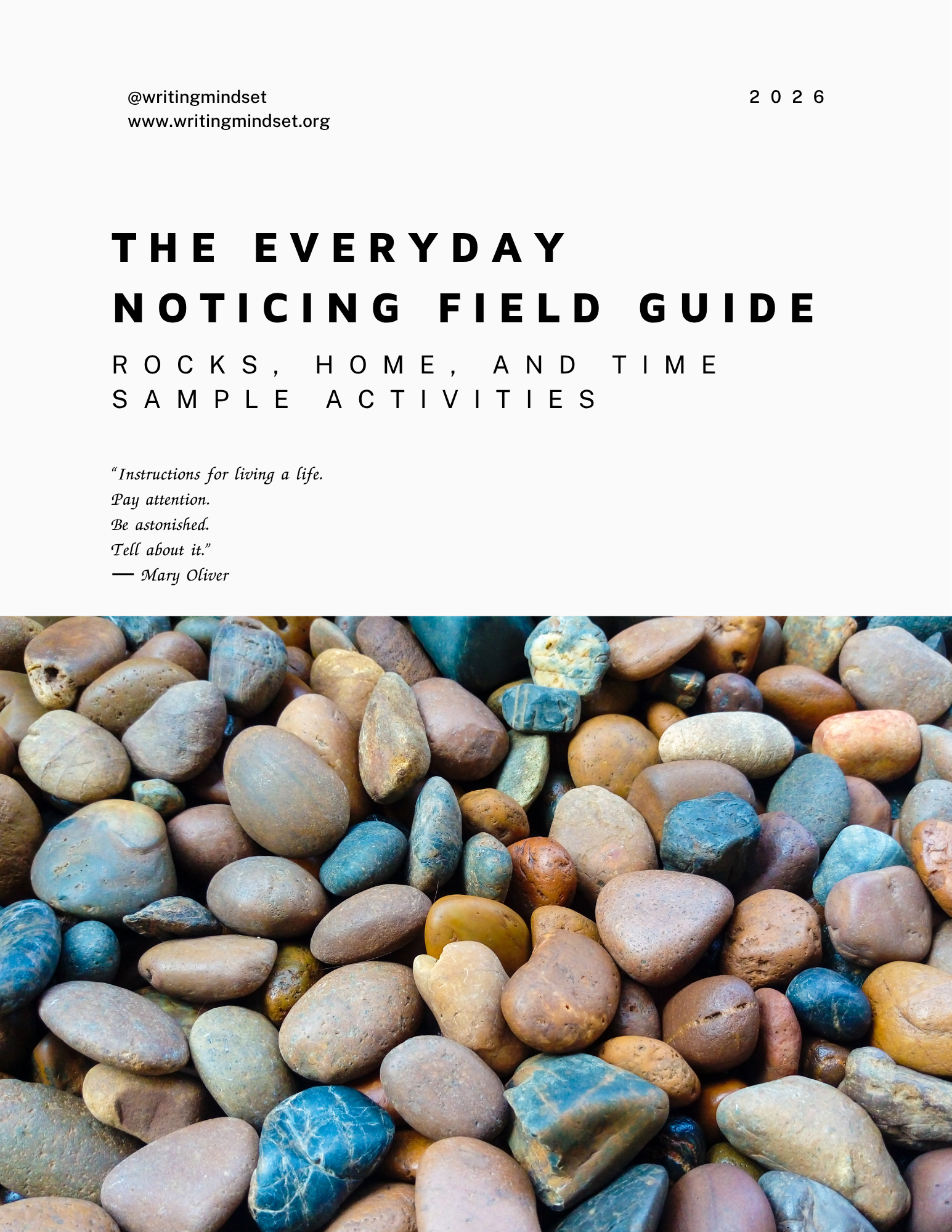
These sample activities invite learners to slow down and notice the world in three different ways through objects, familiar spaces, and invisible experiences.
In Rocks, learners observe texture, shape, color, and detail in something often overlooked, building careful observation and descriptive writing skills. In Home, they turn attention to everyday spaces and routines, noticing the small details, patterns, and stories within familiar surroundings. In Time, learners explore how time feels and moves, paying attention to change, waiting, rhythm, and moment to moment experience.
Together, these activities help learners build the habit of noticing whether they are looking closely at something they can hold, the space they live in, or something they can only feel.
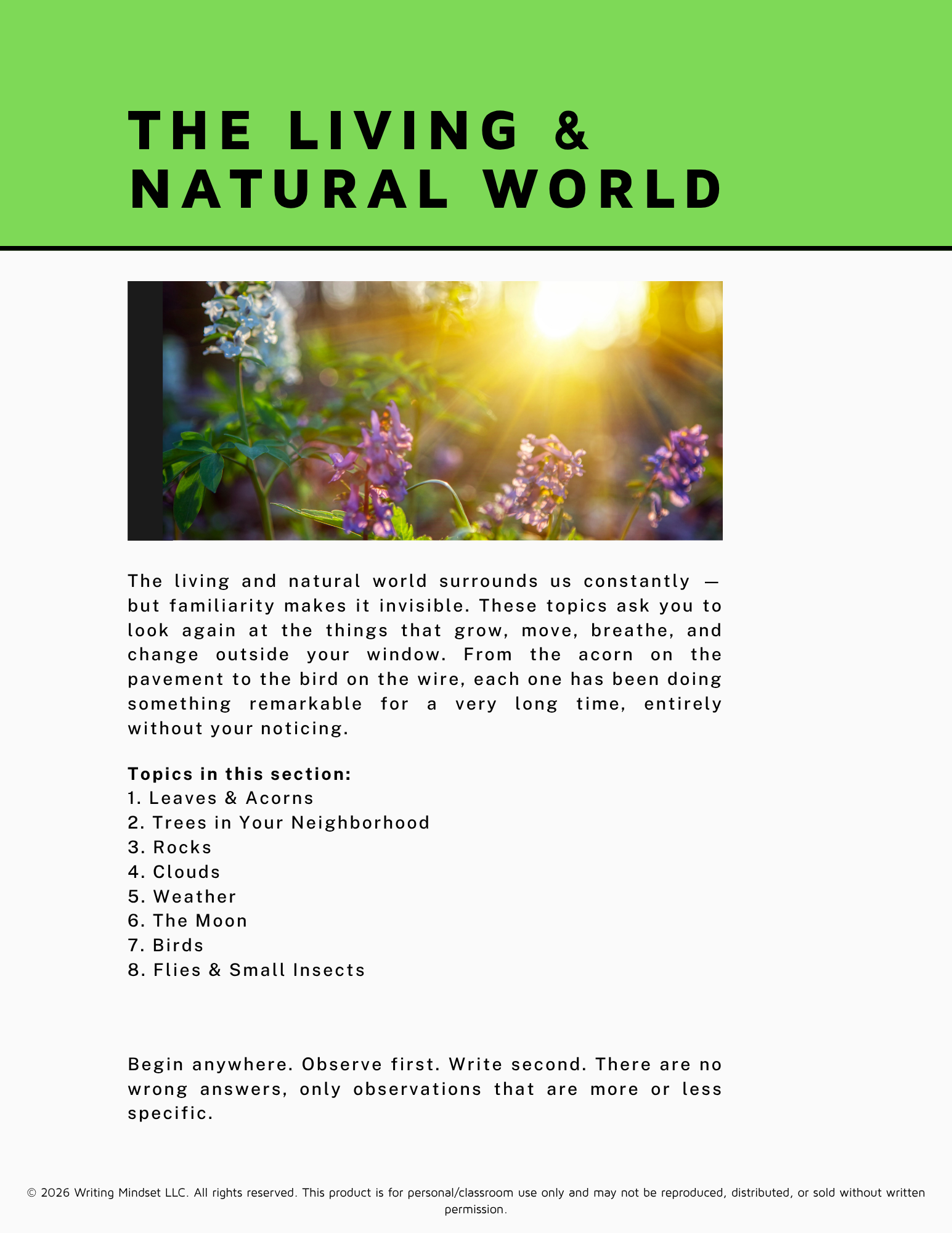
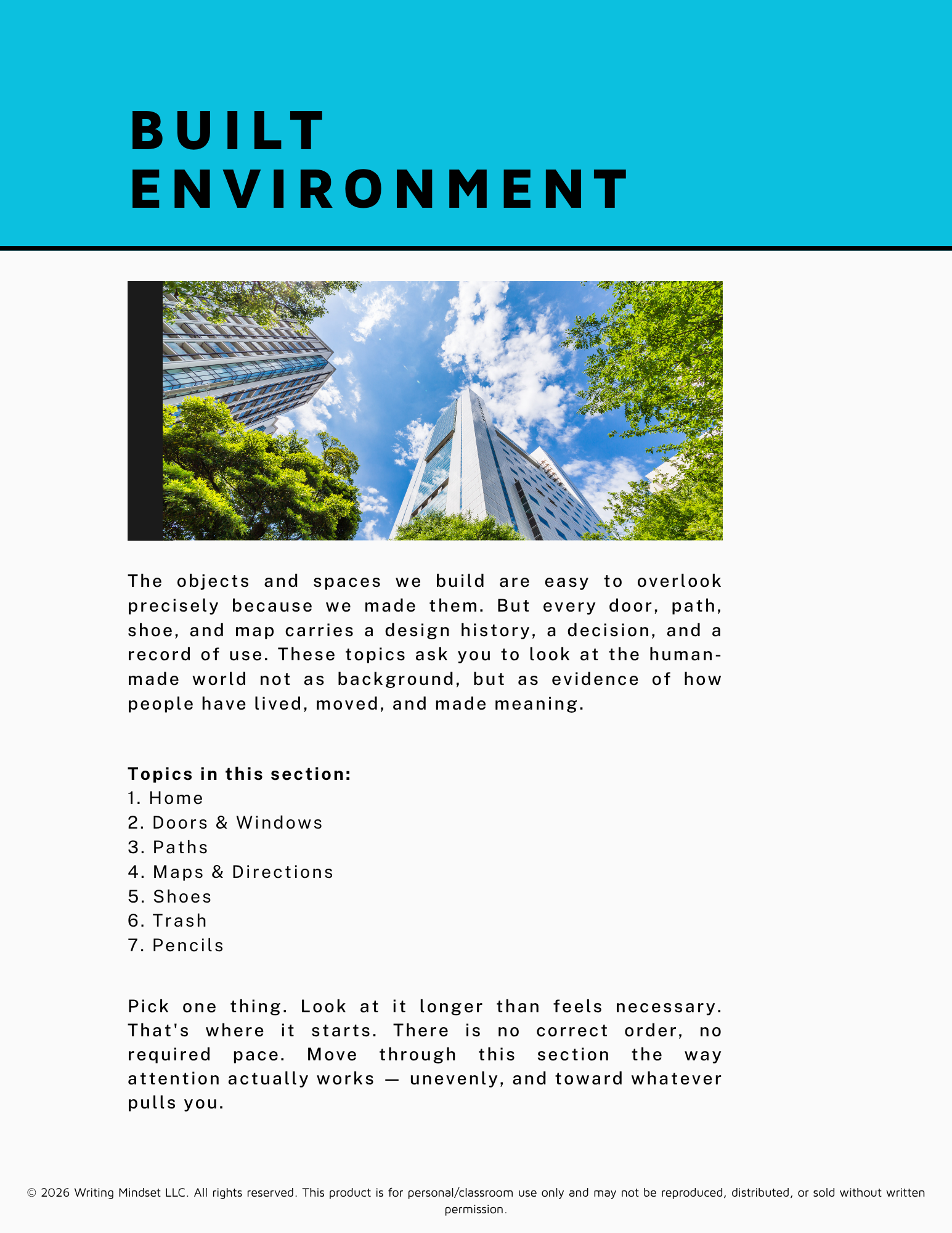
The Everyday Noticing Field Guide Modules
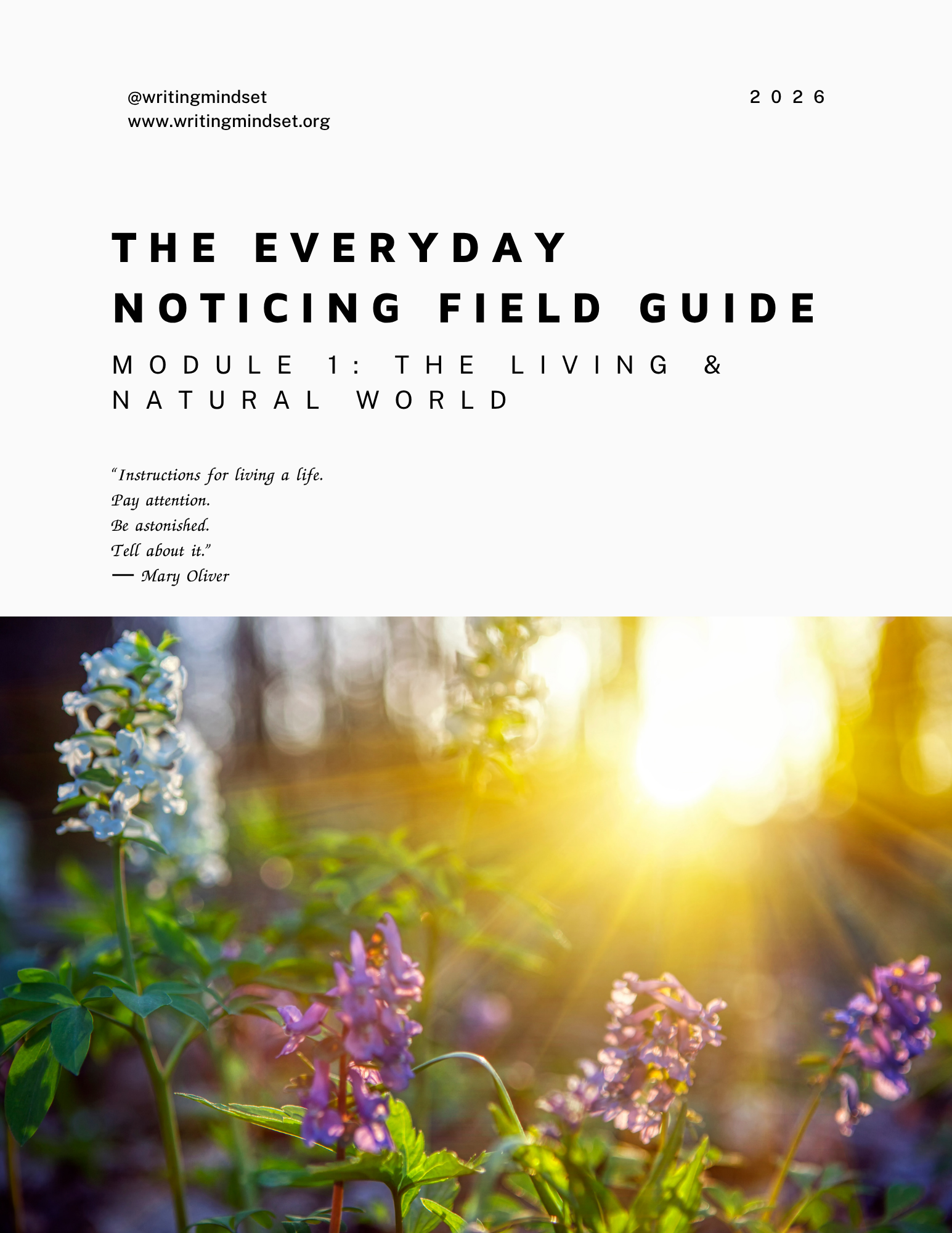
An 8-activity purposeful learning module that helps learners of all ages build curiosity, observation, and writing habits through close attention to the natural world.
The Living & Natural World
A reflective 7-activity module that helps learners explore curiosity, observation, and writing through close attention to everyday spaces, objects, and the built world around them.
The Built Environment
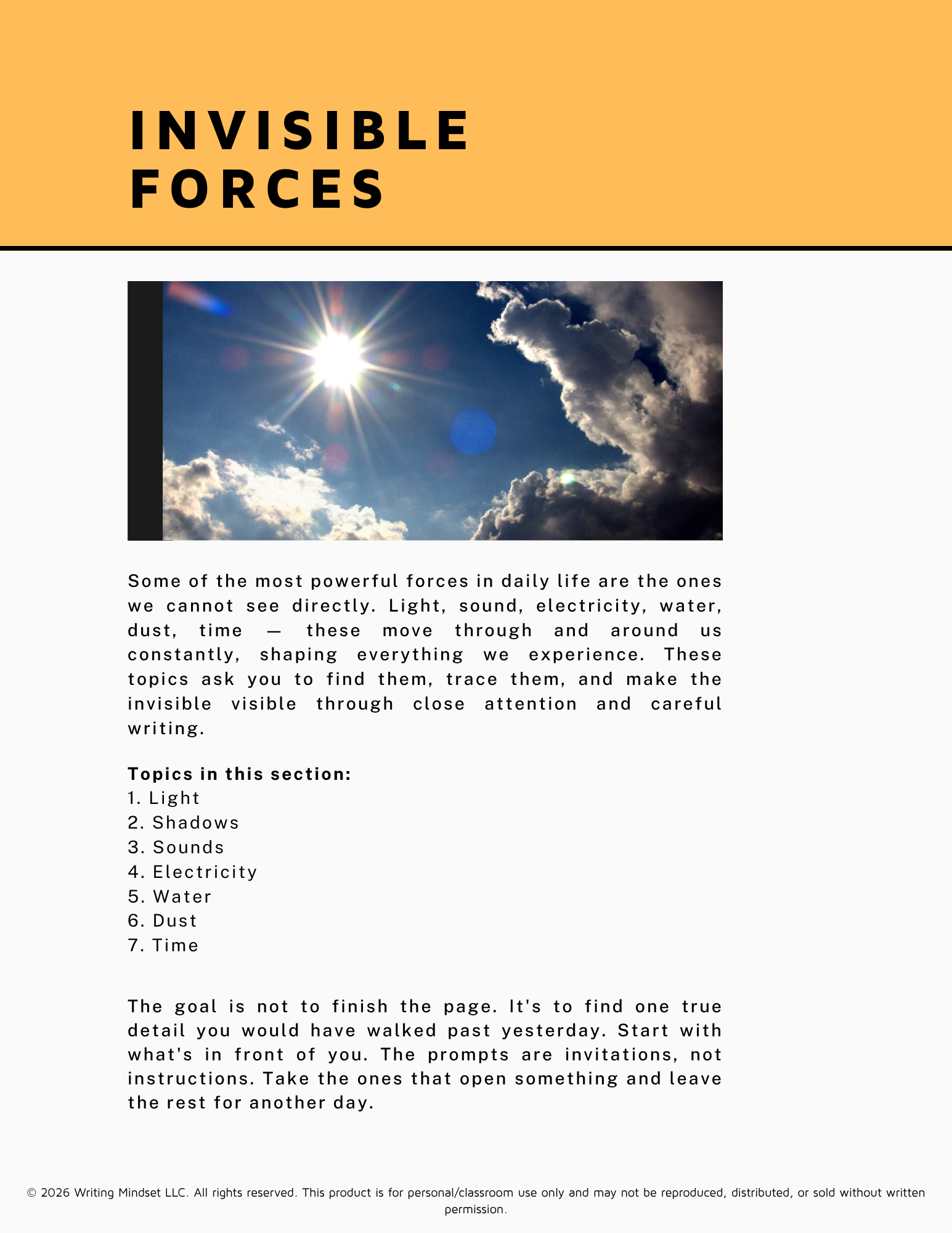
A thoughtful 7-activity module that helps learners build curiosity, observation, and writing skills by noticing and exploring the invisible forces that shape everyday experience.
Invisible Forces
Frequently Asked Questions

-
A field guide is a guided learning experience designed to help you slow down and notice the world more closely. Each activity invites observation, reflection, and writing (or drawing) as a way of deepening attention and curiosity—not completing tasks for the sake of answers.
-
These field guides are designed for a wide range of learners, including educators, homeschool families, writers, journalers, and curious learners of all ages. Little Noticers is designed specifically for ages 4–6, while the other guides and modules can be adapted for older children, teens, and adults.
-
No. You do not need to be a teacher, writer, or subject-matter expert. The activities are designed to be accessible and open-ended. The goal is not correctness, but curiosity, observation, and thoughtful engagement with everyday life.
-
Each field guide includes a series of guided activities organized around a theme (such as nature, built environments, or invisible forces). Activities may include observation prompts, writing invitations, drawing experiences, and reflective questions. You can complete them in order or move through them at your own pace.
-
Most activities are flexible and can take anywhere from 10–30 minutes, depending on how deeply you choose to engage. Some may unfold into longer exploration, while others may work as short, mindful pauses in a day.
-
These field guides can be used in classrooms, homeschool settings, nature walks, journaling routines, writing instruction, morning work, or personal reflection practices. They are designed to be flexible—use them individually, as part of a larger curriculum, or as a slow, ongoing practice of noticing.

Designed with Teachers in Mind
This guide is a simple, ready-to-use way to get students writing naturally—without heavy setup, over-explaining, or forcing a prompt that doesn’t connect.
Instead of starting with abstract writing assignments, students begin with what they can actually see, touch, and notice in their everyday world. Observation becomes the entry point, and writing grows directly from that experience.
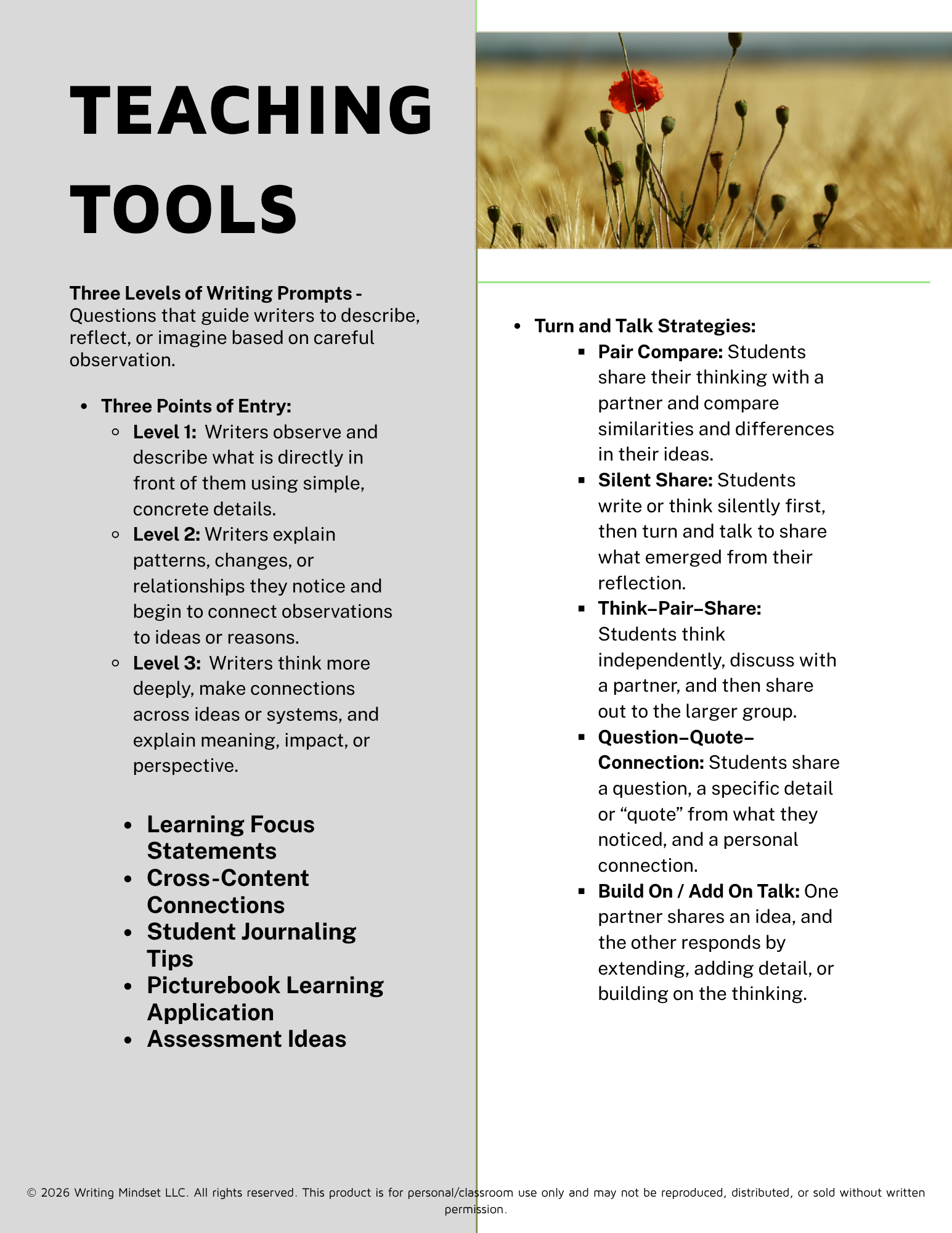
Teachers can use the activities as:
quick daily warm-ups that build writing fluency
low-prep notebook routines that encourage consistency
mini-lessons that naturally move from noticing → writing
discussion starters that support academic language and thinking
flexible activities that fit into science, ELA, or interdisciplinary blocks
The result is writing that feels more accessible, more grounded, and more connected to real observation—so students start writing because they have something they genuinely noticed, not because they were told to “write about anything.”
For caregivers and kids ages 4-6
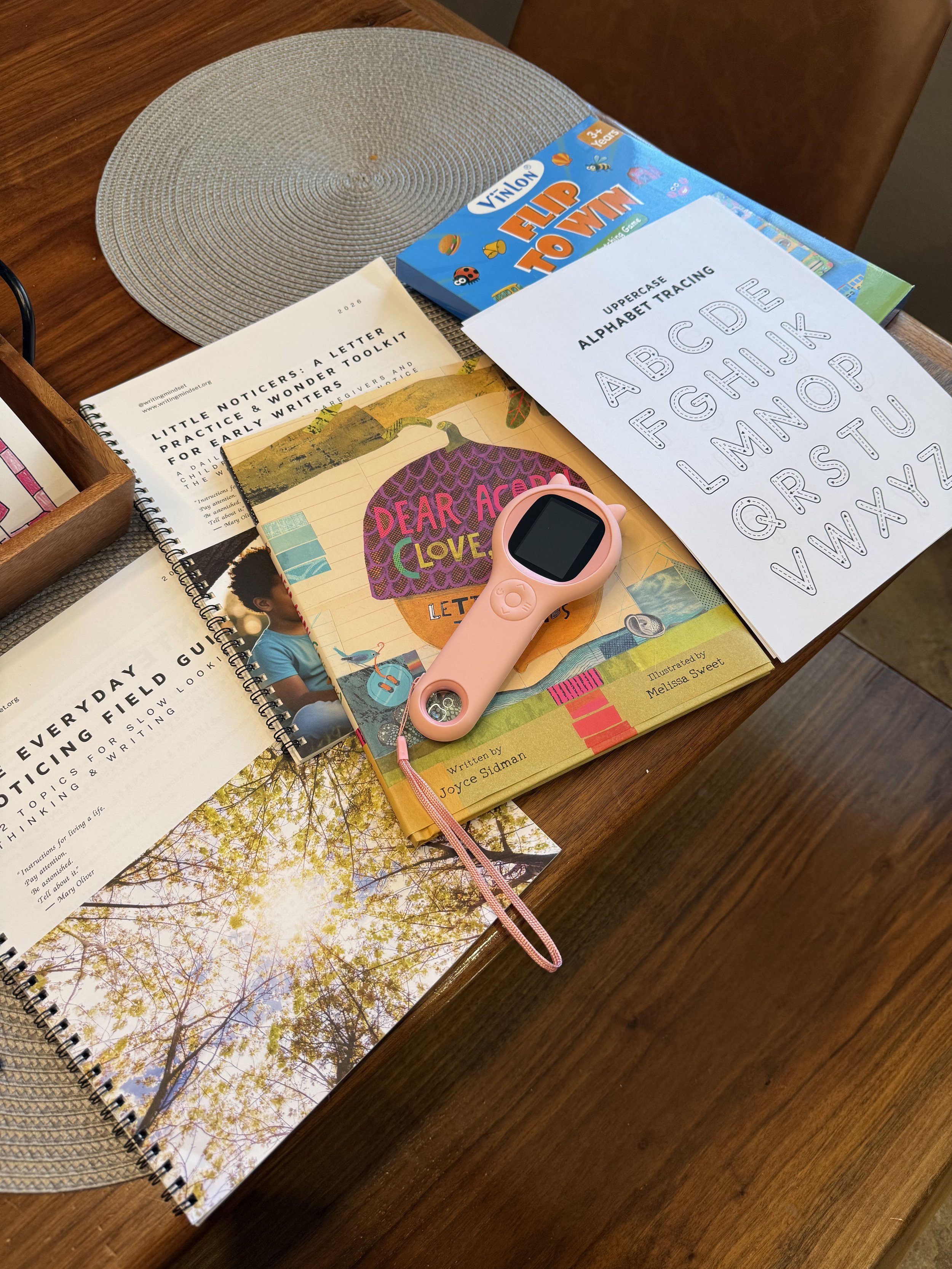
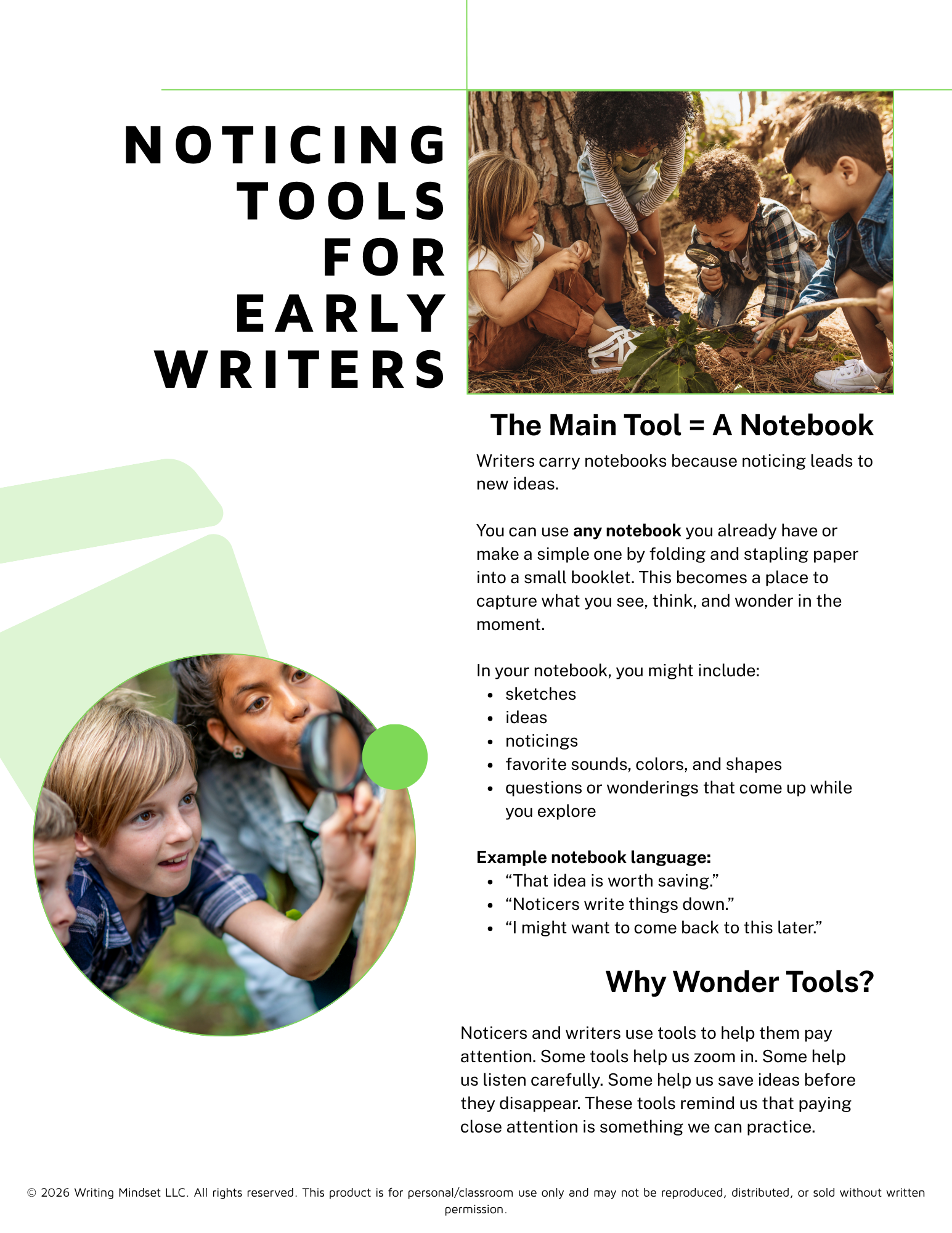
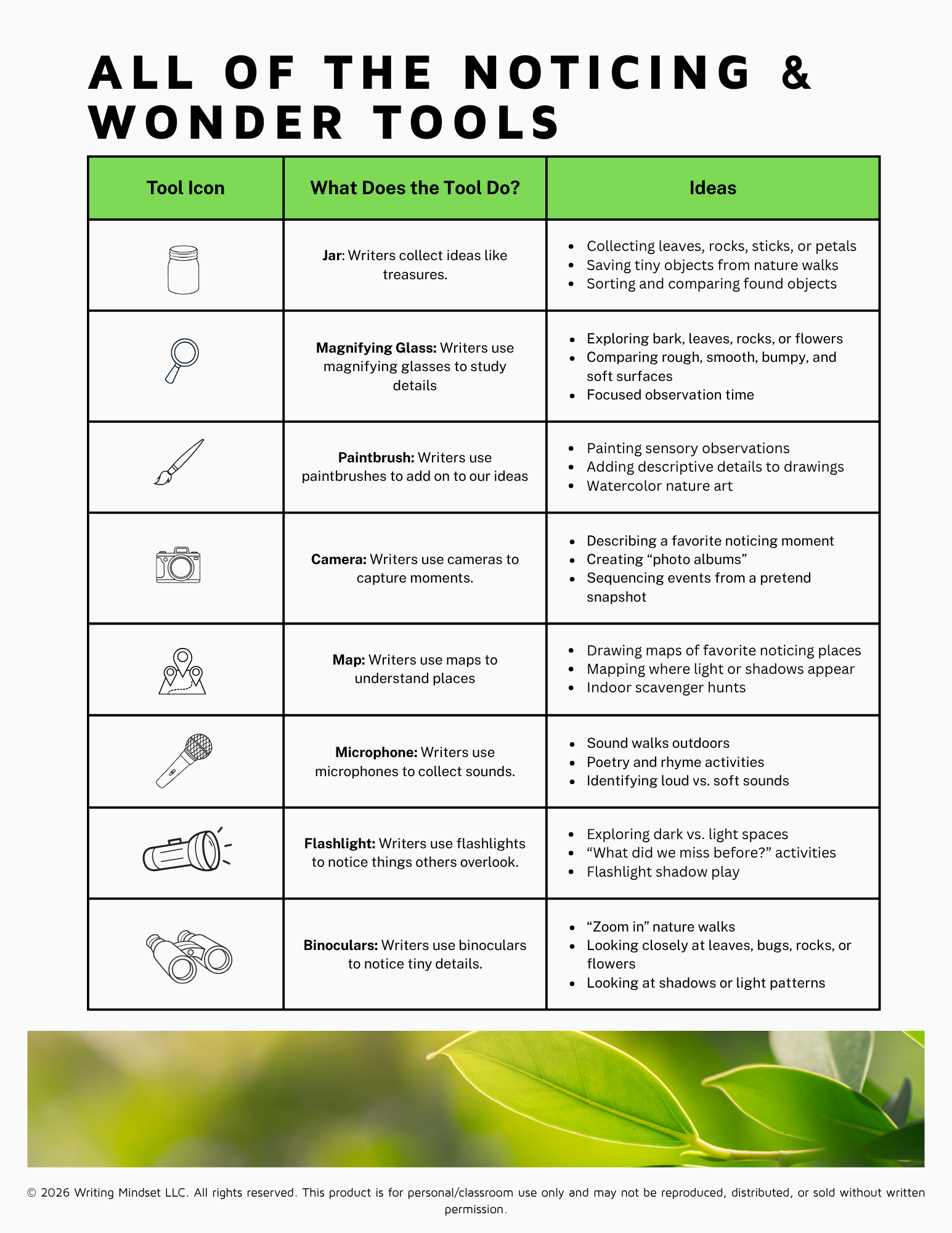
Little Noticers: A Letter Practice & Wonder Toolkit for Early Writers
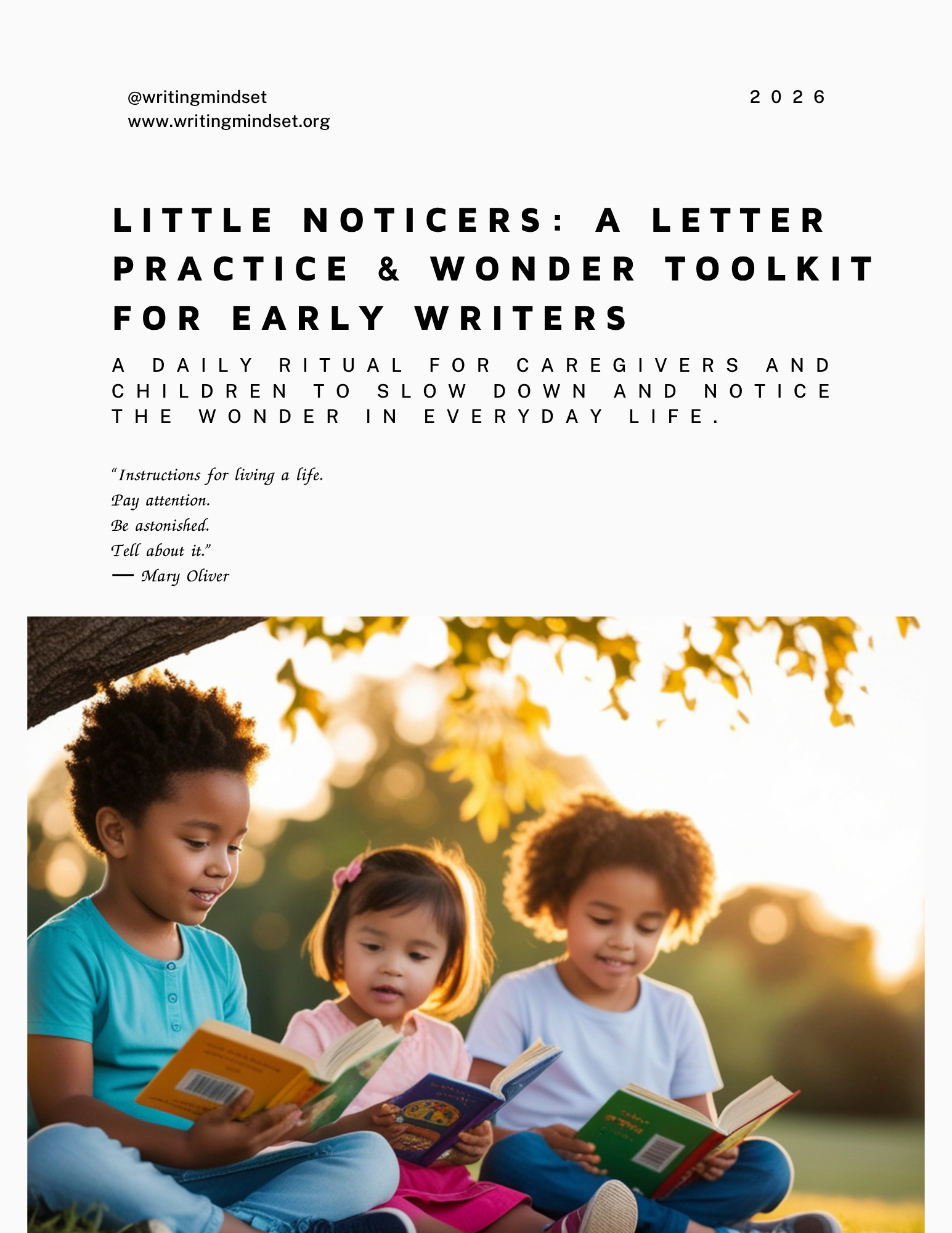
Little Noticers: A Letter Practice & Wonder Toolkit for Early Writers
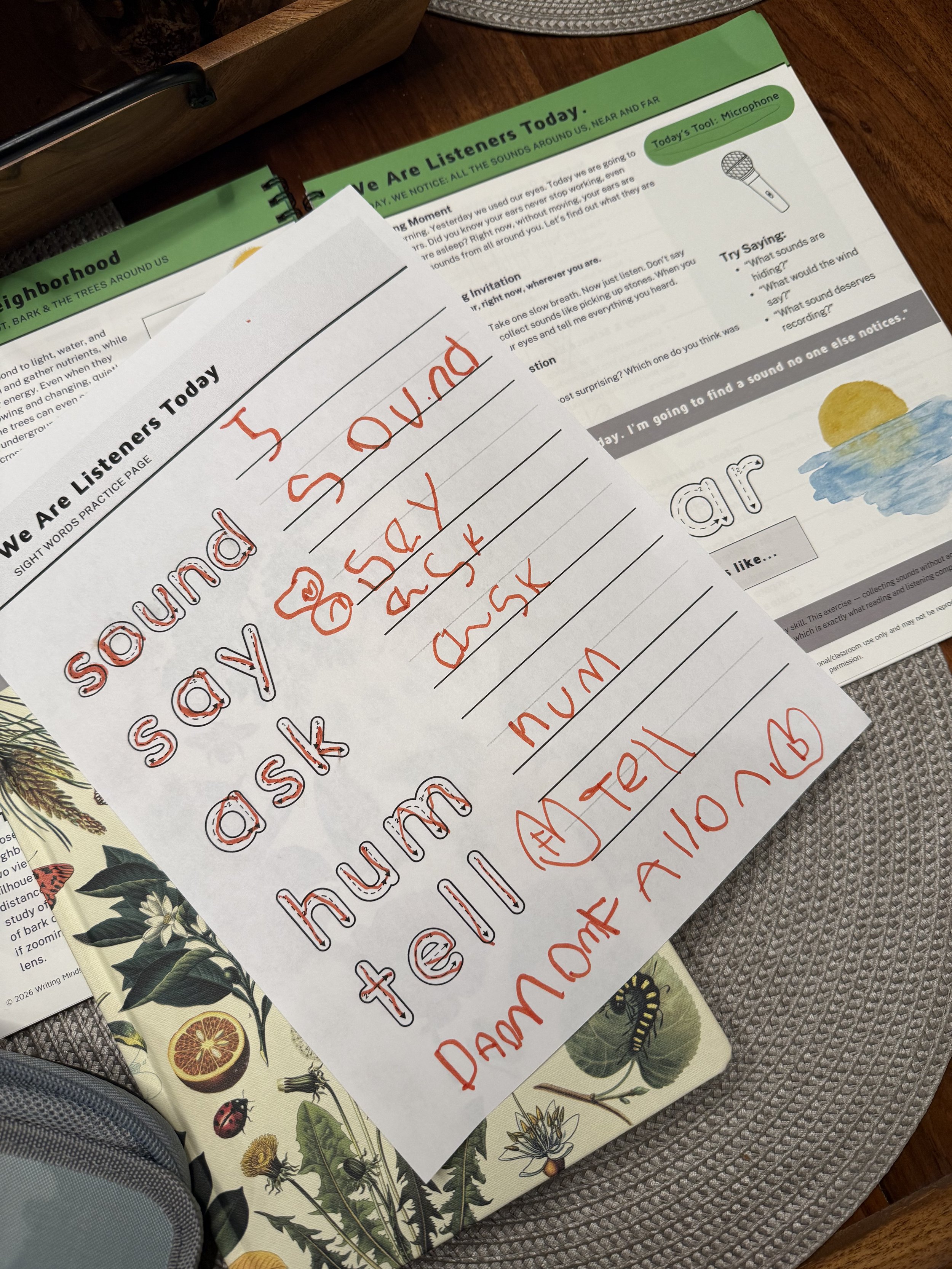
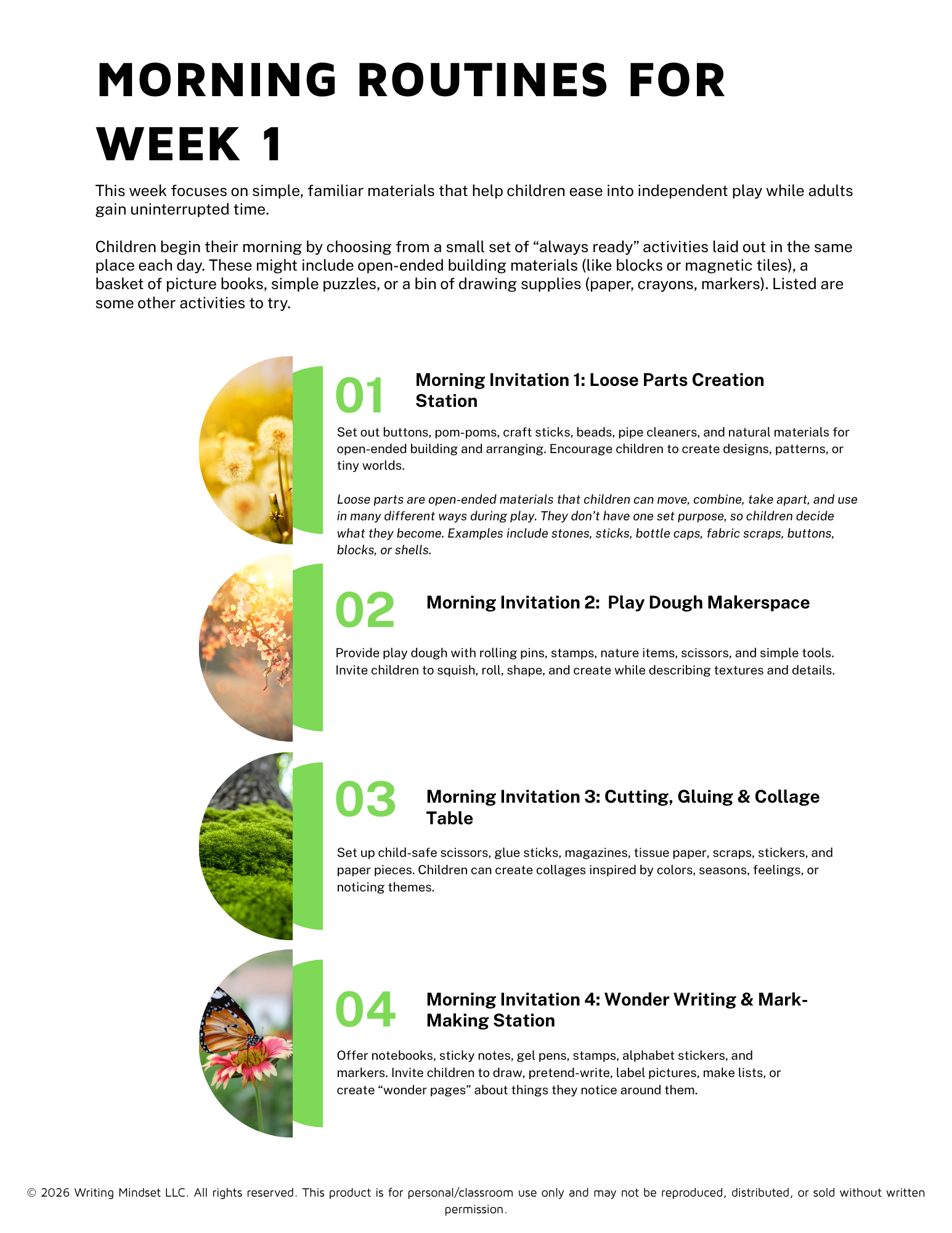
A flexible 10-day learning experience for ages 4–6 that builds early literacy, language, and observation skills through playful noticing, storytelling, and hands-on exploration.
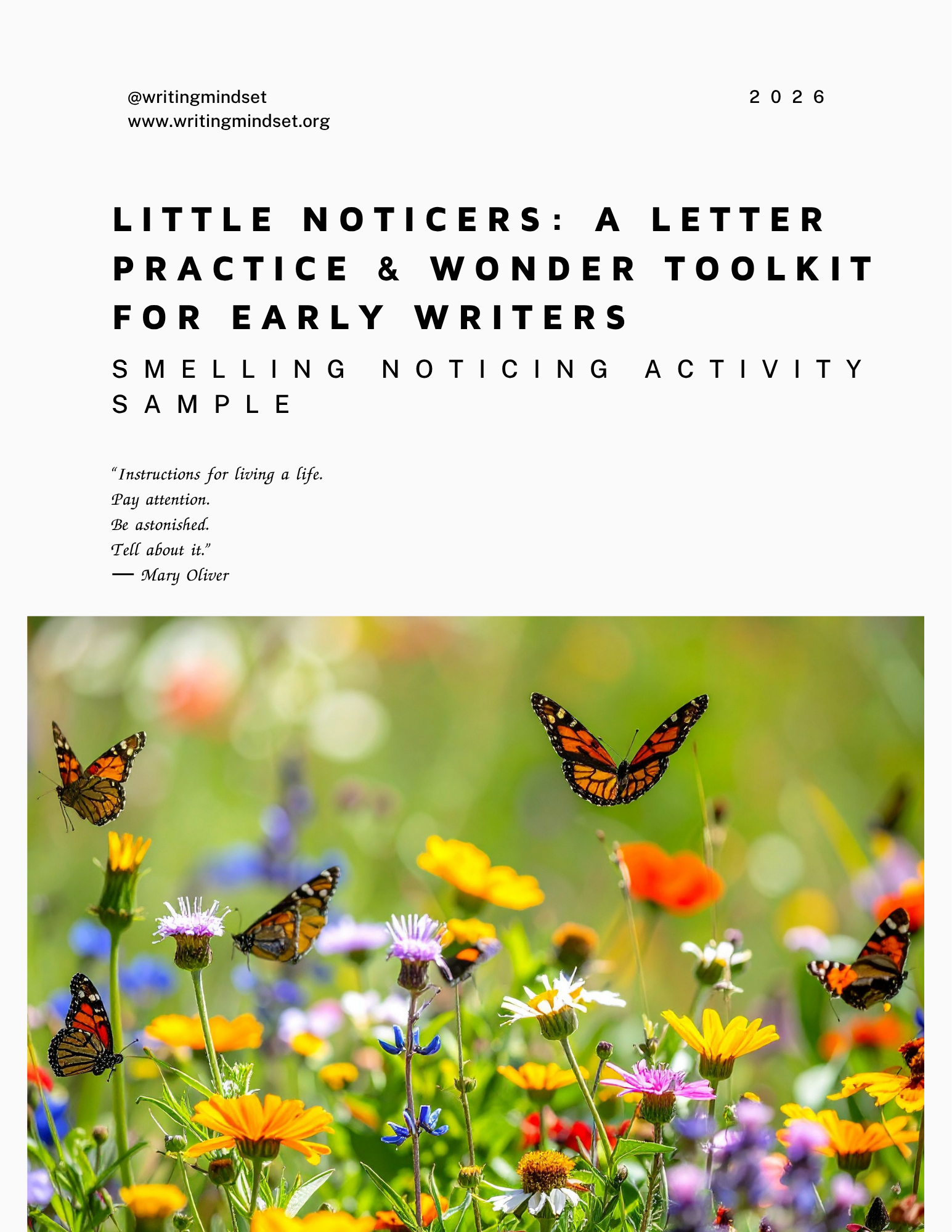
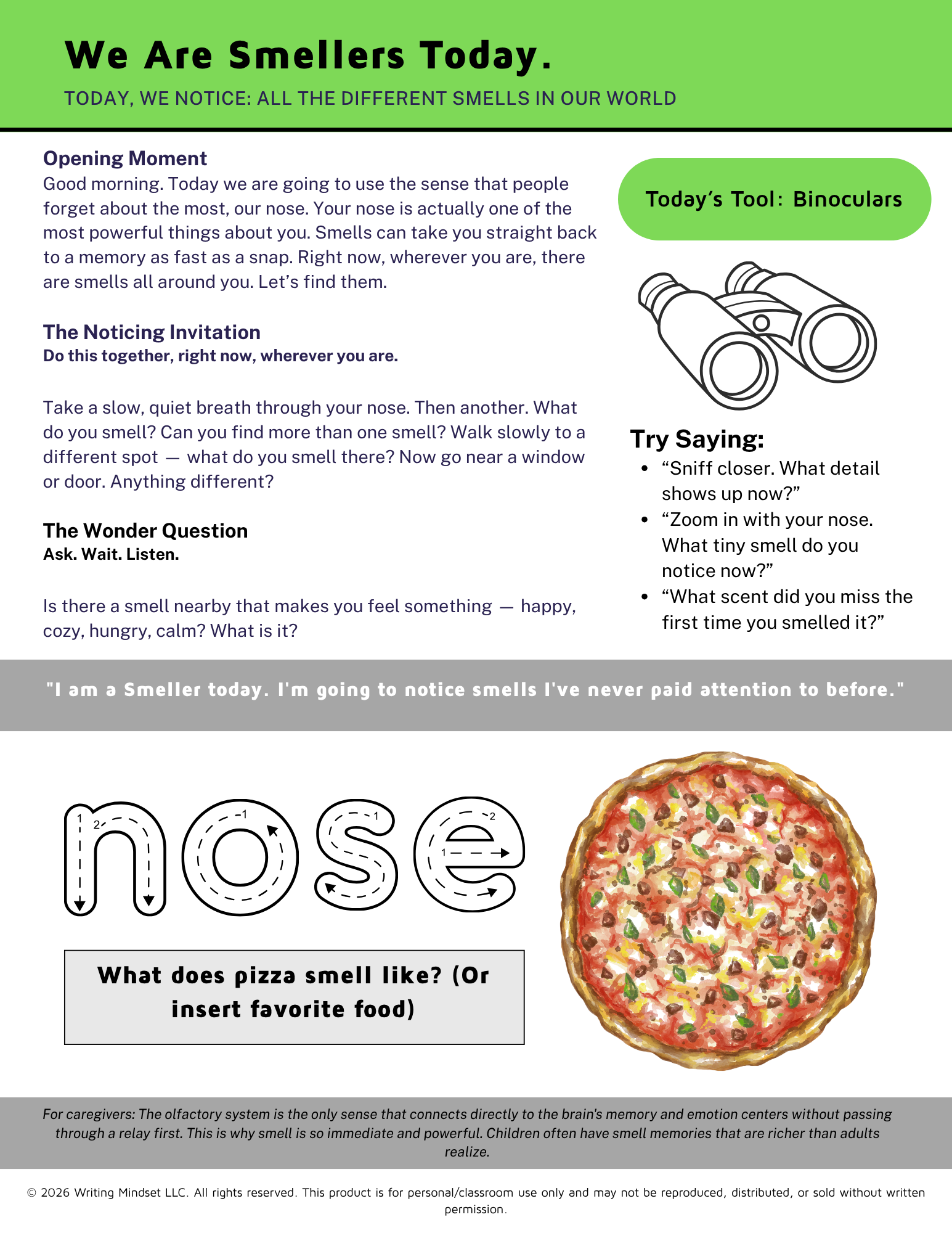
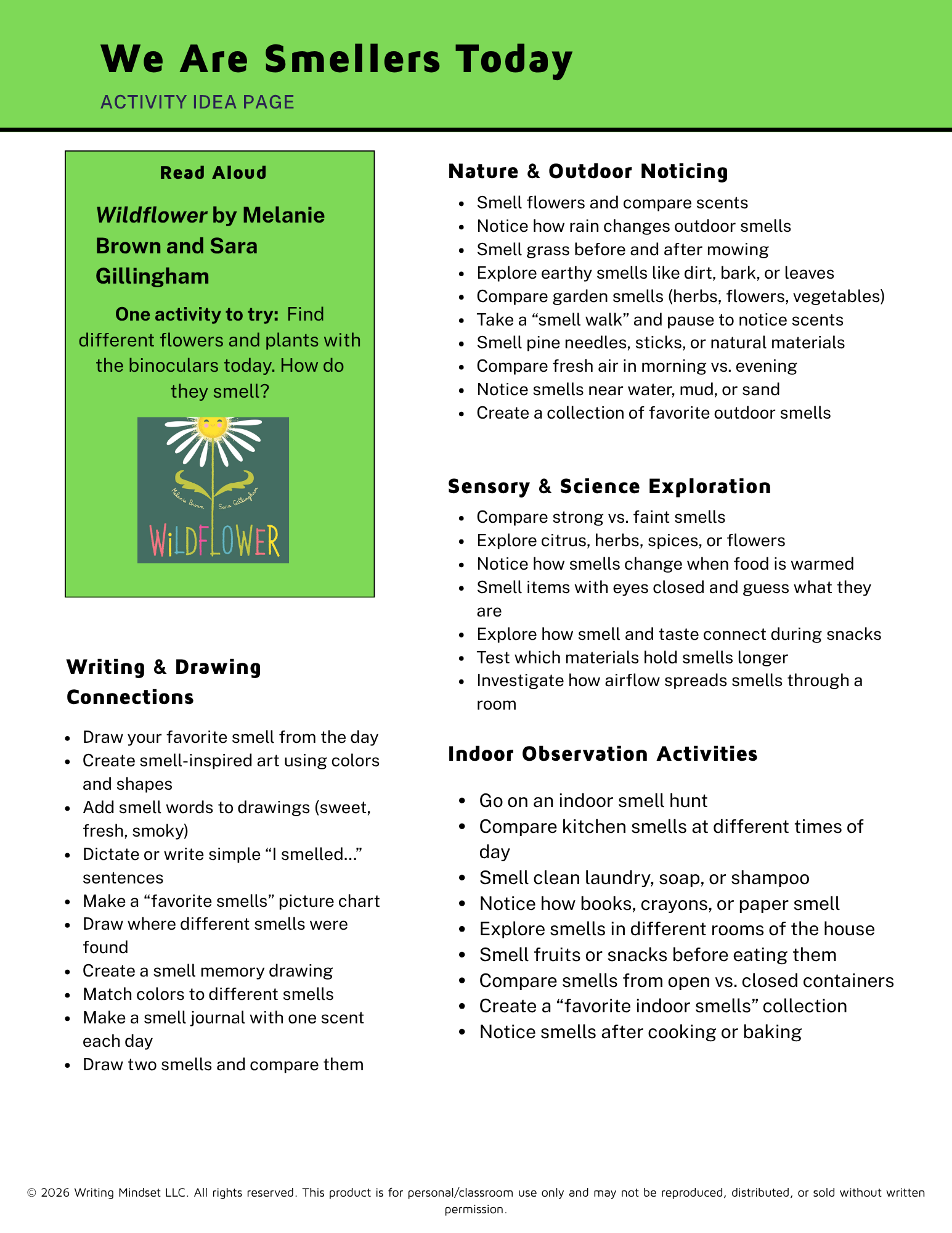
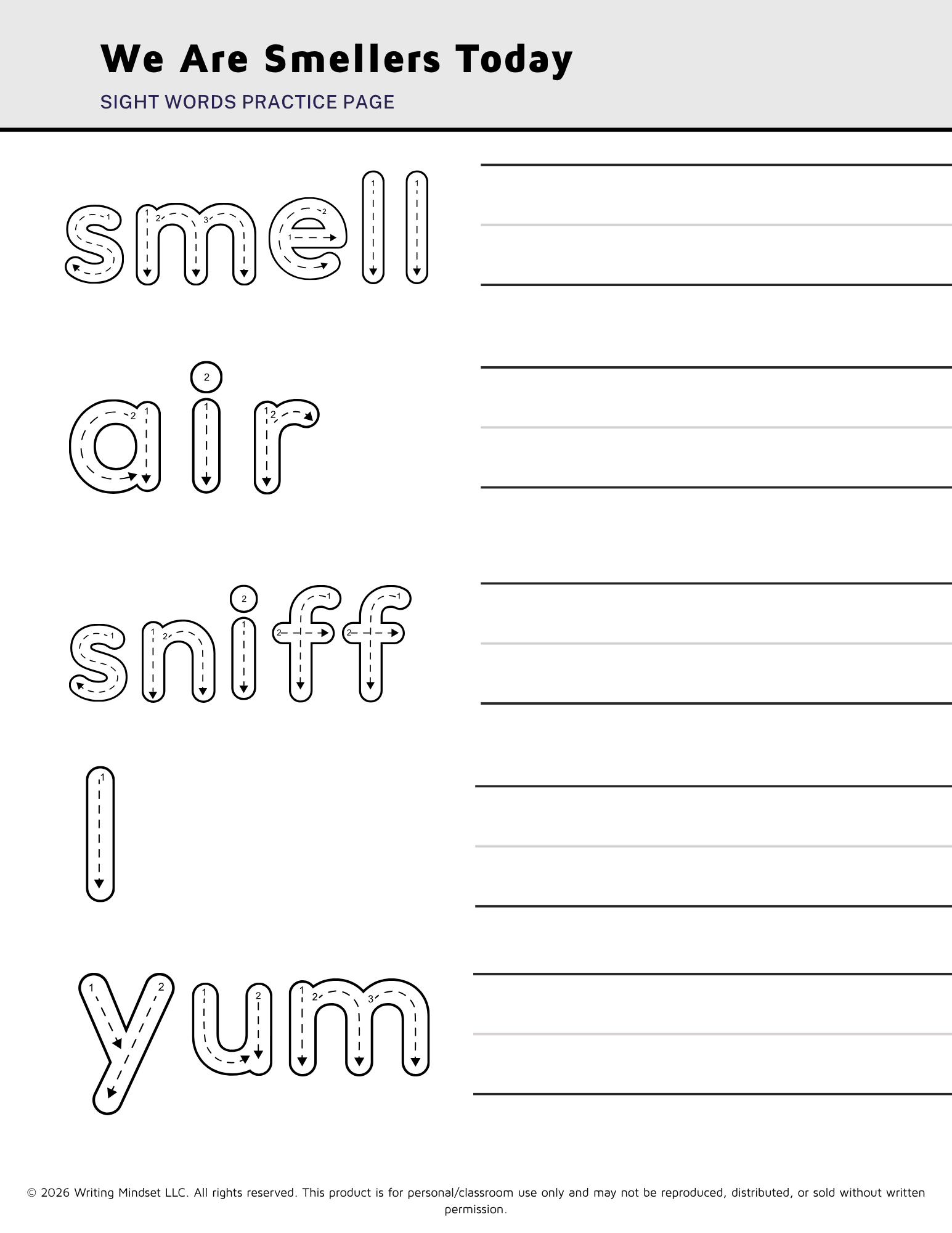
Download Free Sample Activity: Smelling in the World
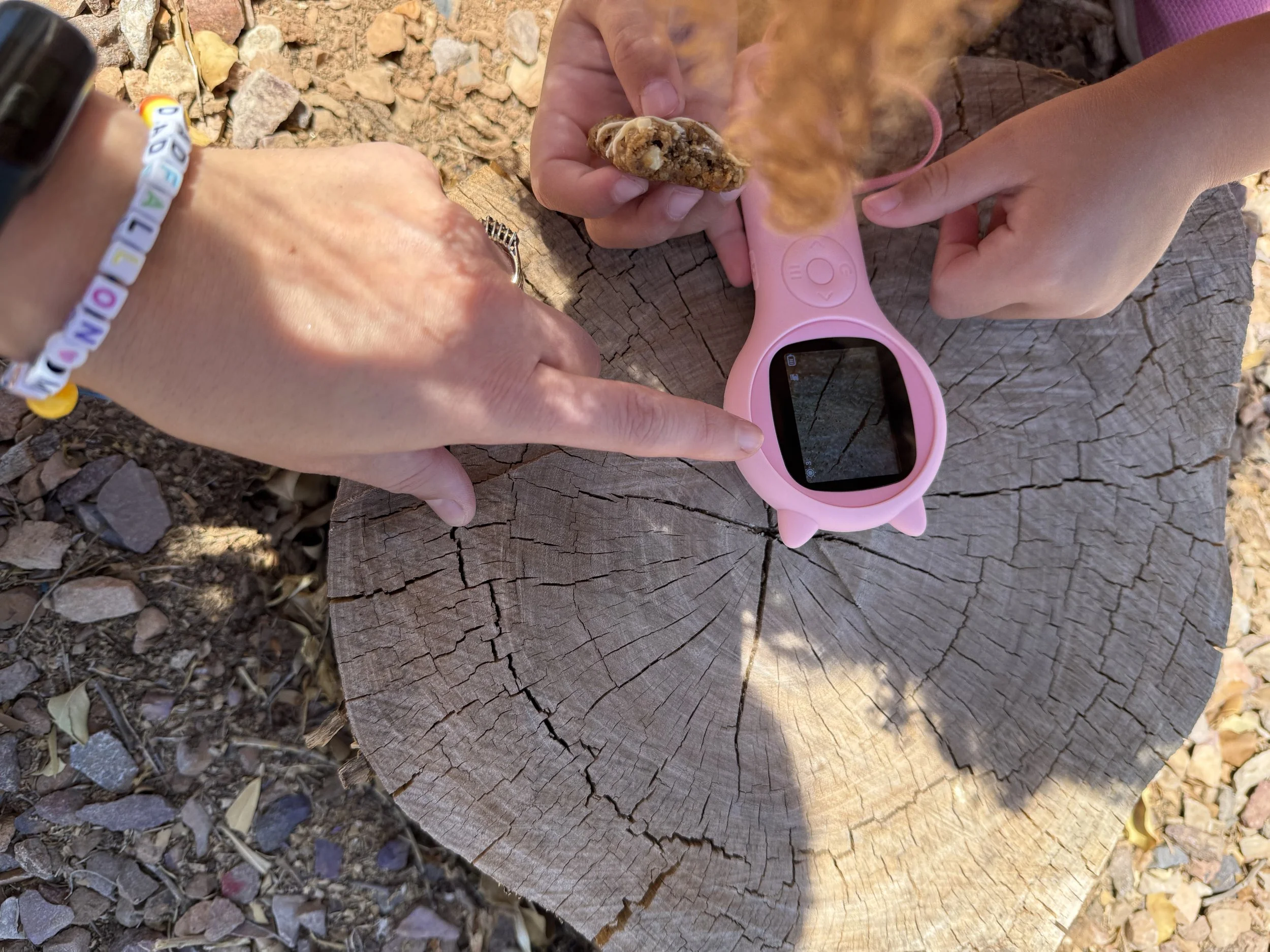
This sample activity invites young learners to explore the sense of smell as a way of noticing the world more closely. Children are encouraged to pause, sniff, and pay attention to different scents in their everyday environment, whether at home, outdoors, or in familiar spaces.
Through simple prompts and playful exploration, learners begin to notice how smells can change, compare, and connect to memories, places, and feelings. They may describe what they notice, draw what a smell reminds them of, or talk about the scents they discover with a caregiver.
This activity supports early language development, observation skills, and sensory awareness while helping children build curiosity about the everyday world around them.
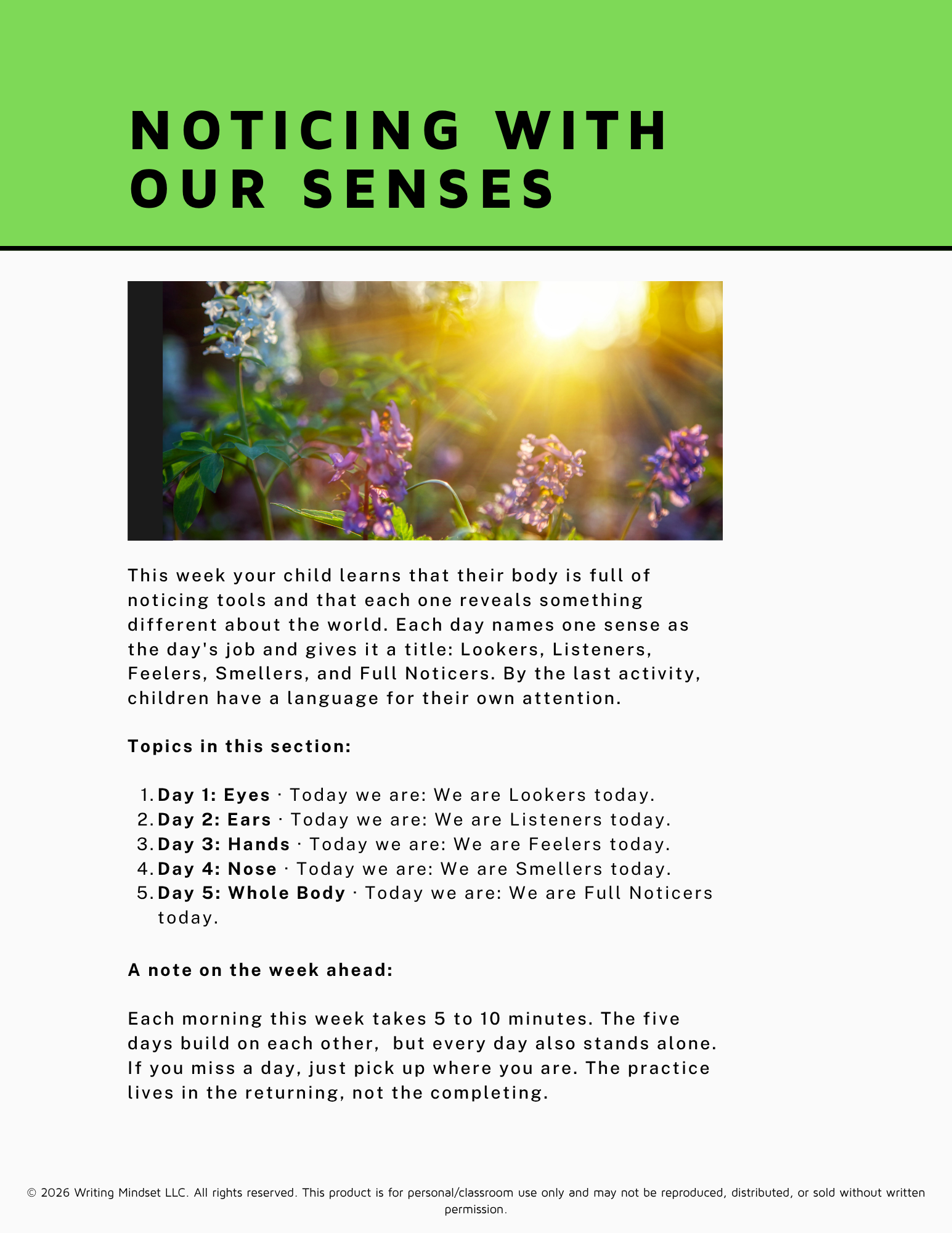
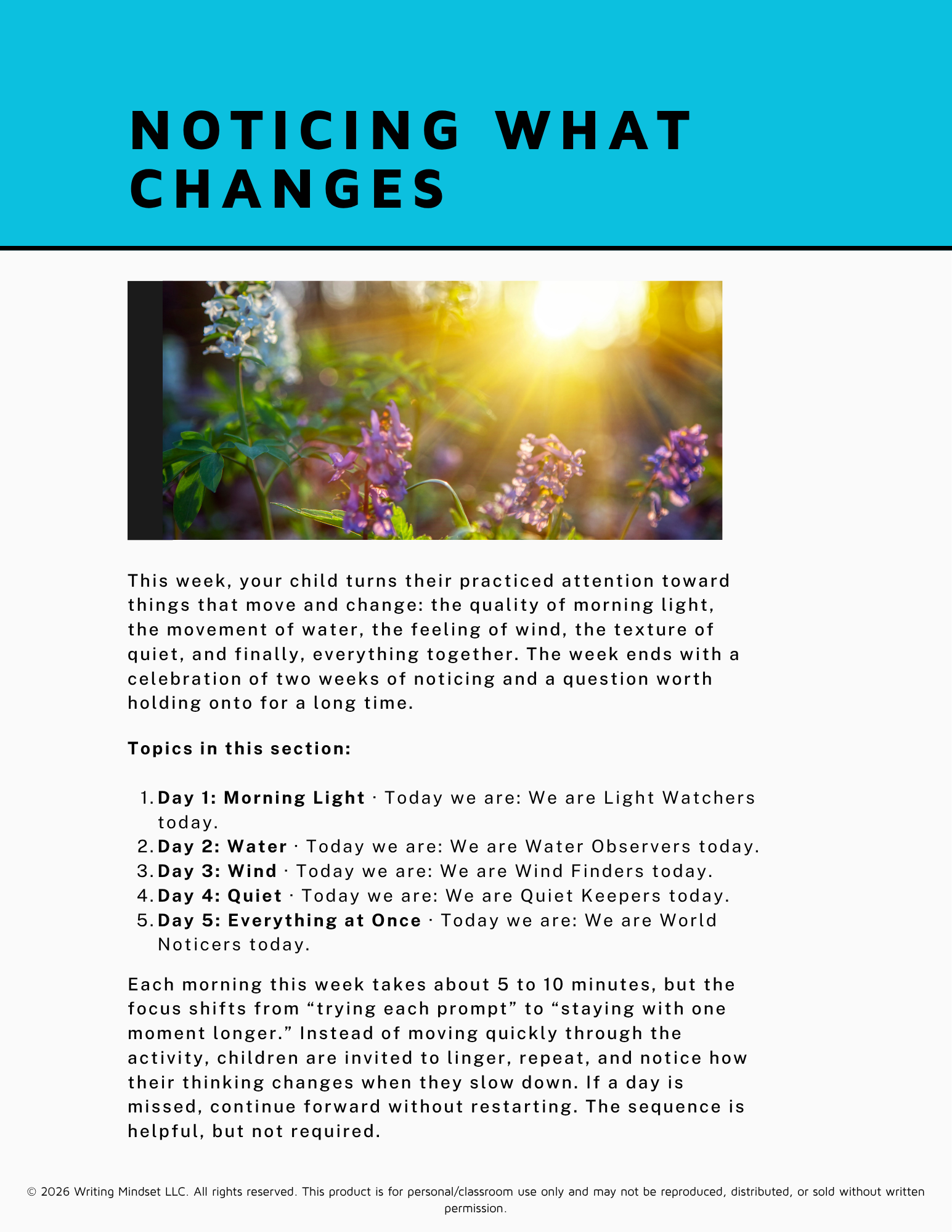
Start Noticing Now: Blog Posts that Use Picture Books as Writing Prompts
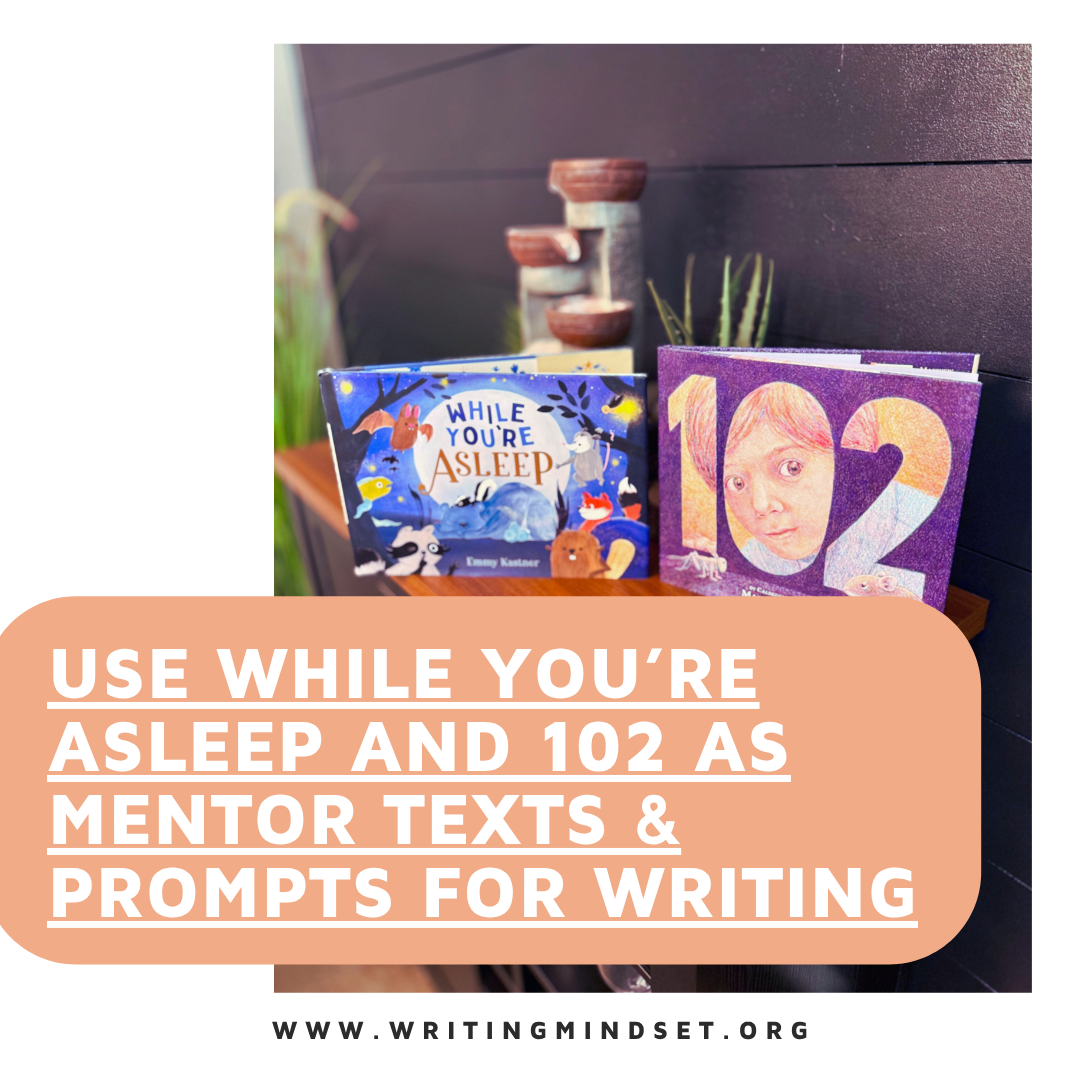
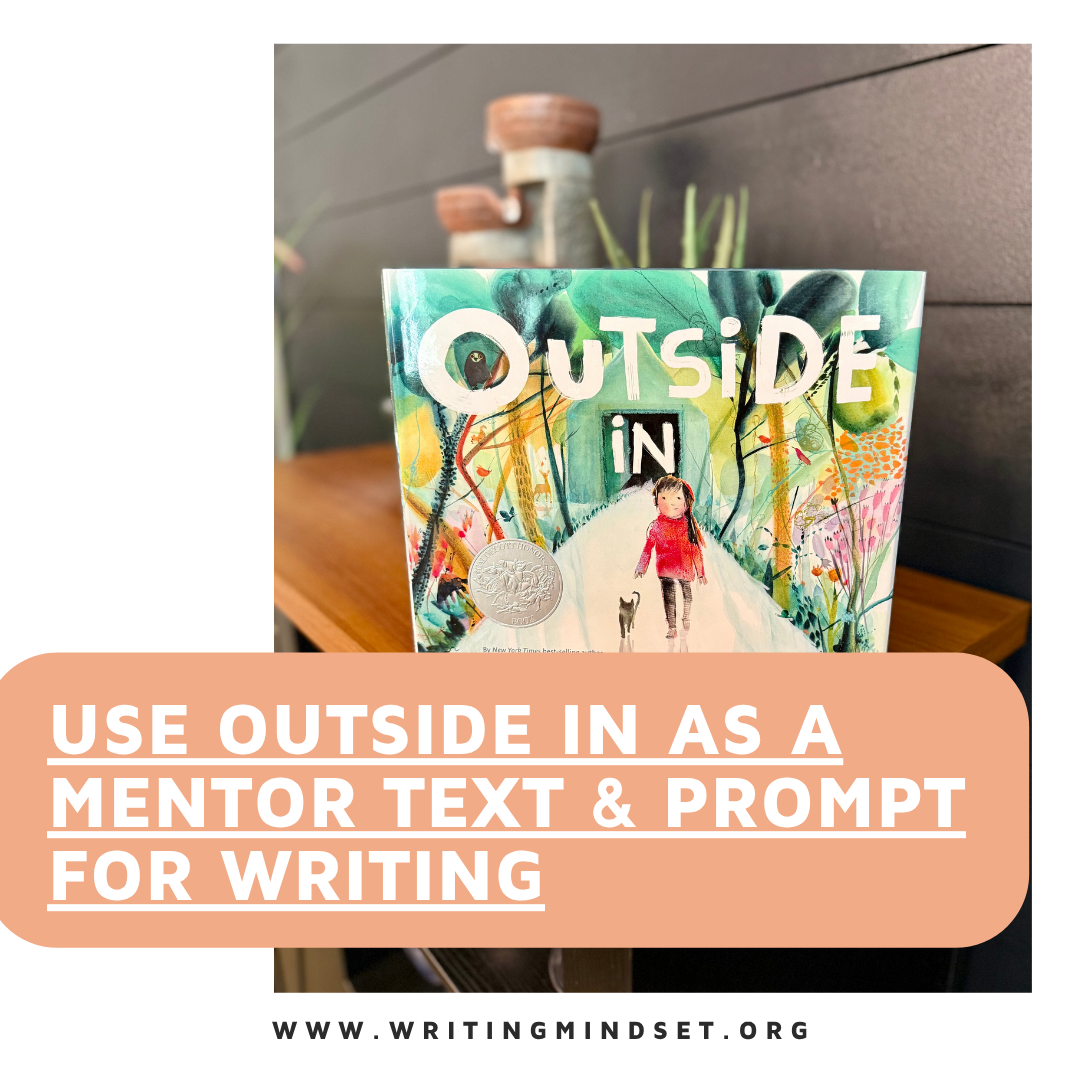


Mary Lyn Ray and Felicita Sala’s When You Find the Right Rock is a quiet celebration of attention and belonging—of the small, ordinary things that feel extraordinary when noticed with care. Through poetic language and luminous illustrations, Ray and Sala capture the simple act of finding a rock and transform it into something magical: a story about connection, grounding, and discovery. I think one of my favorite parts of this book when reading it to our little one was pausing on lines like,
For writers and journalers, this book is a meditation on presence. It reminds us that meaning often hides in small moments—holding a smooth rock, feeling its weight, noticing its color or warmth. When You Find the Right Rock invites us to pause, look closer, and find joy in what fits just right in our hands and hearts.
In this post, you can find…
Tips for using this book as a mentor text for writing
Ways to use the book with preschoolers, grades k-5, grades 6-8, grades 9-12, and for disciplinary literacy projects
Journaling prompts linked to the book (including nature journaling)
One grammar exercise to access grammar instruction