Why the Sterling Ink N2 Size Notebook is Essential in My Journaling System
From One Planner to a System: Why I Moved from N2 Common Planner to a N2 Notebook + B6 Common Planner
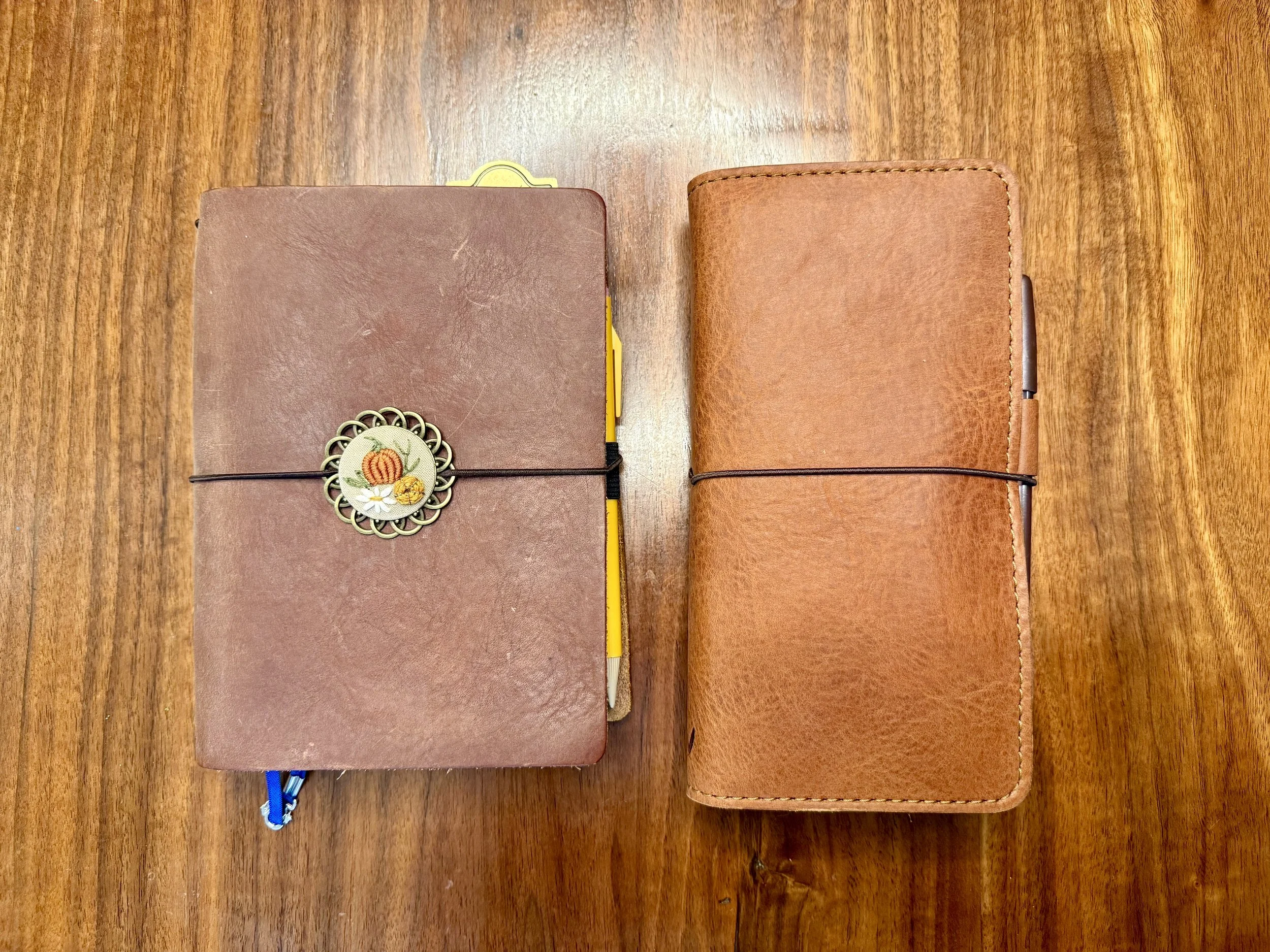
I spent a couple of months using the Sterling Ink N2 Common Planner because I was searching for something smaller, lighter, and easier to carry. At the time, my Sterling Ink B6 Common Planner was starting to feel bulky—especially once it filled out and became my everything book.
And while the N2 did solve the portability problem, it created a different one:
It limited how I think on paper.
That’s when my system shifted.
Instead of trying to make one planner do everything, I moved to a two-book system:
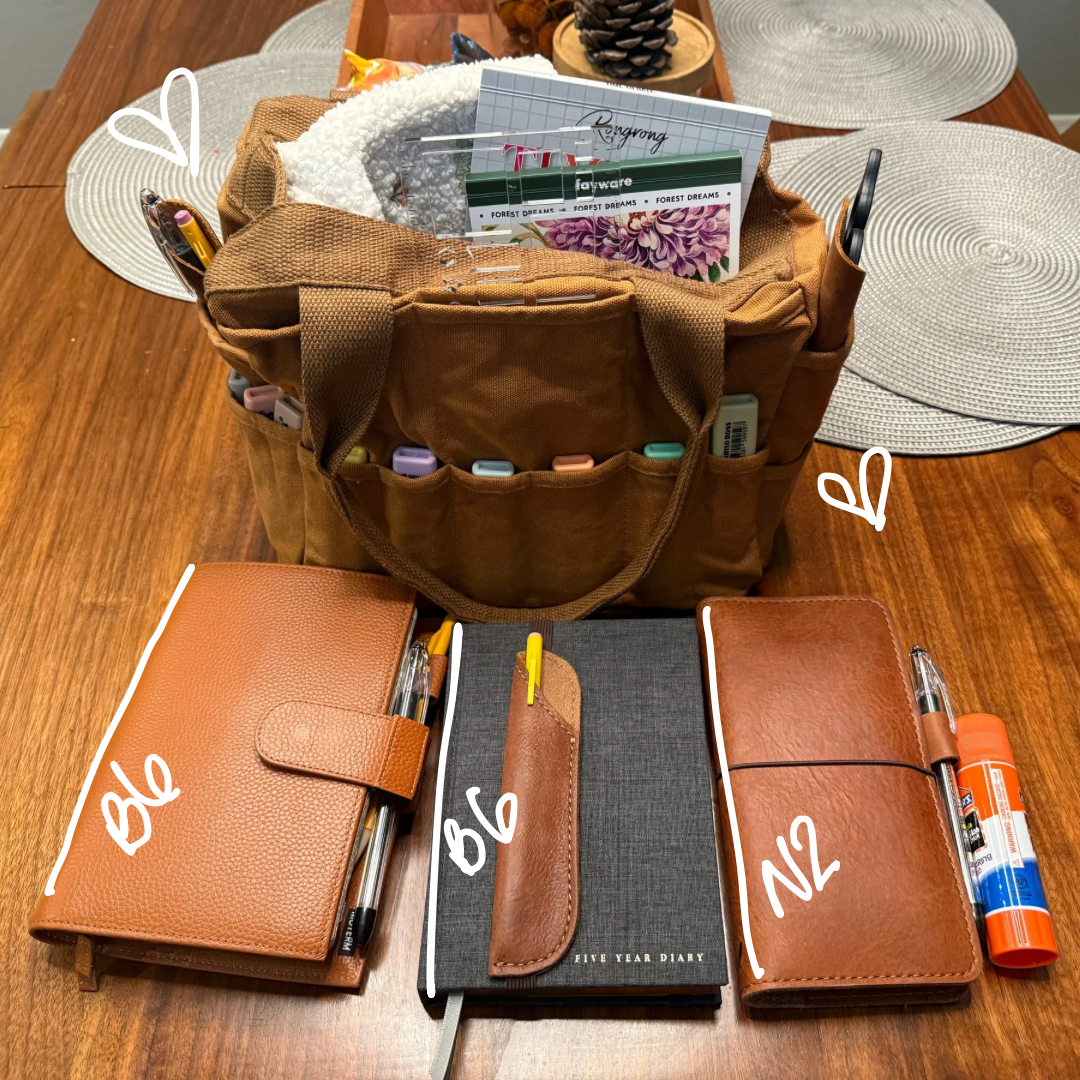
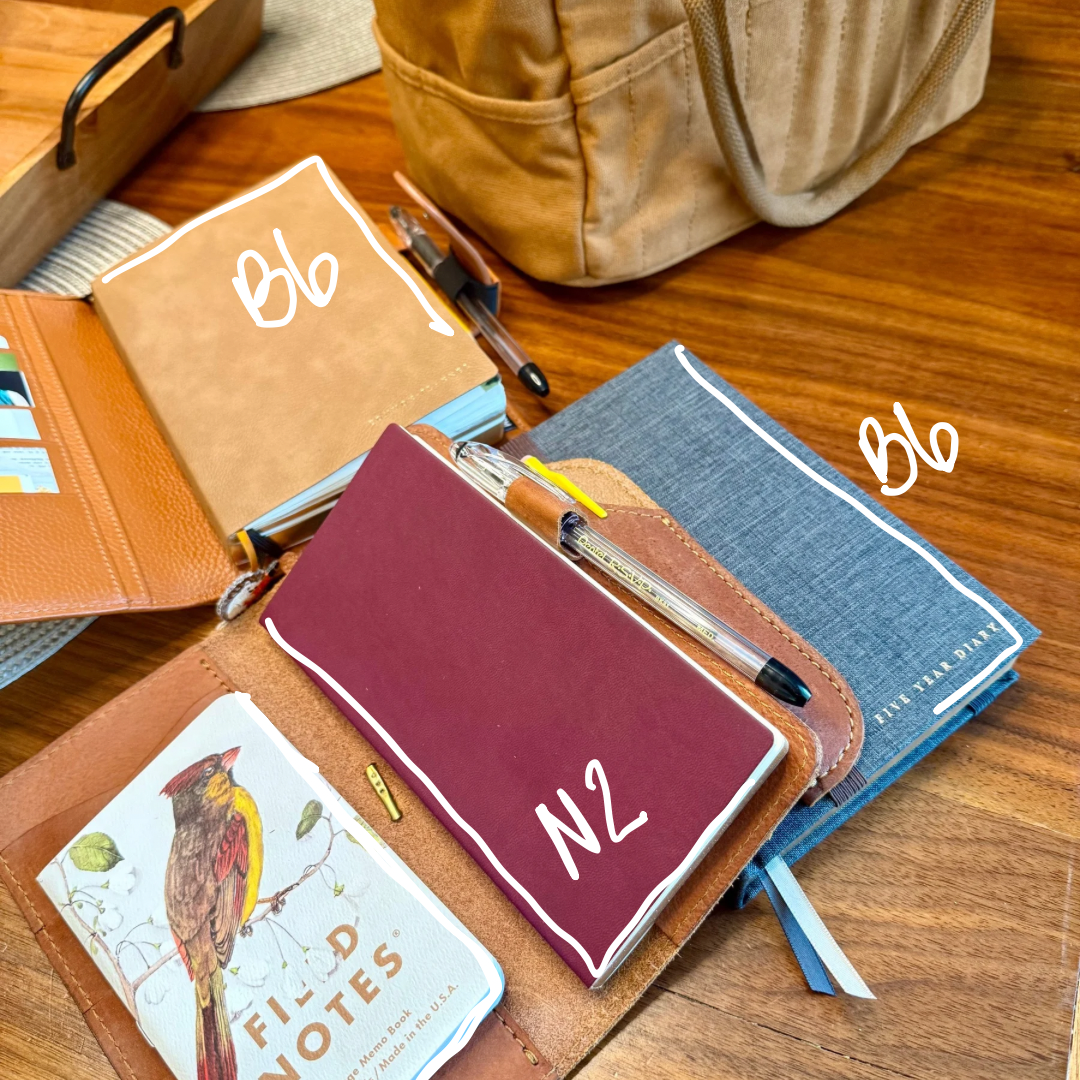
A B6 Common Planner for structured planning and long-form space
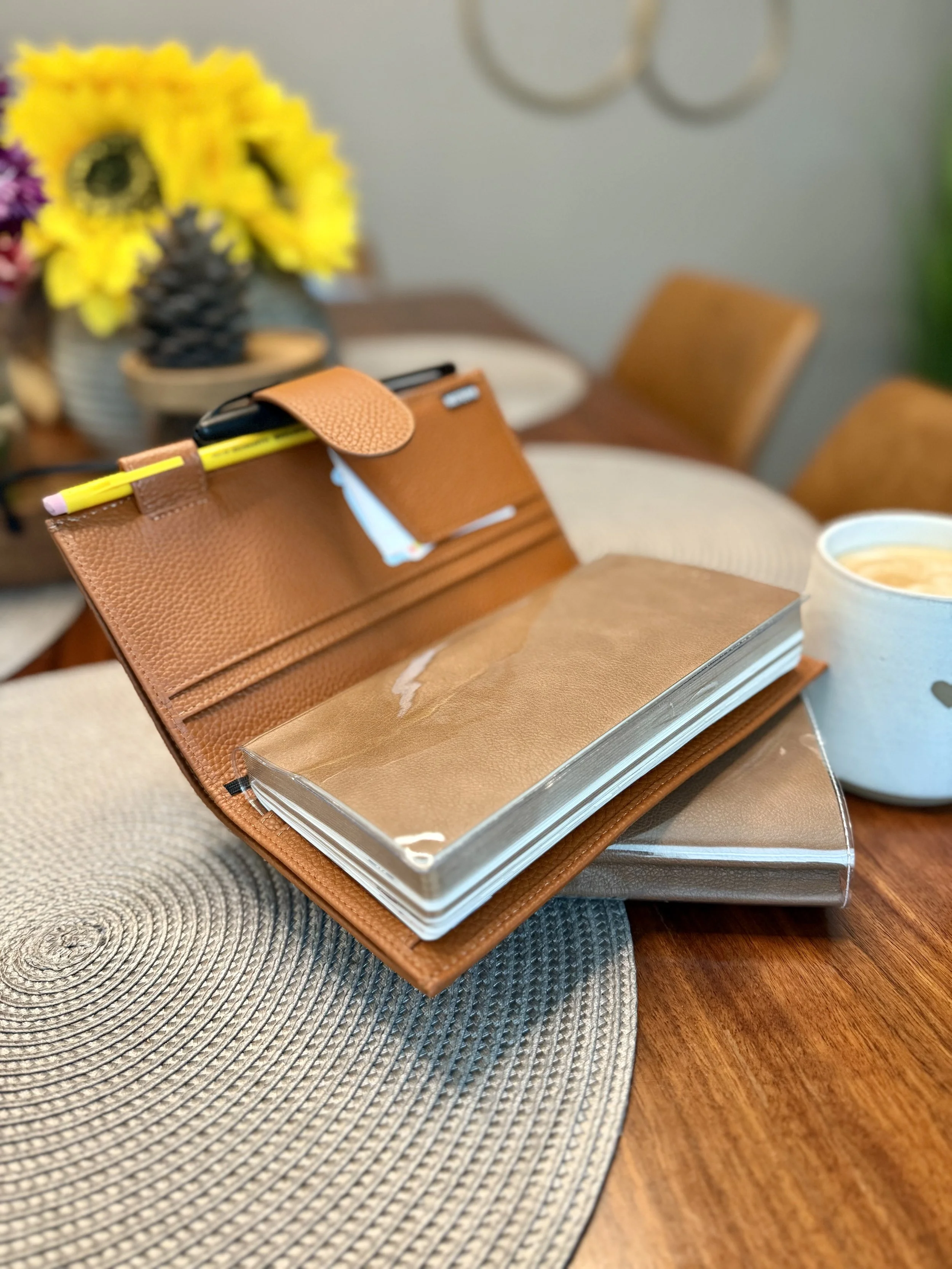
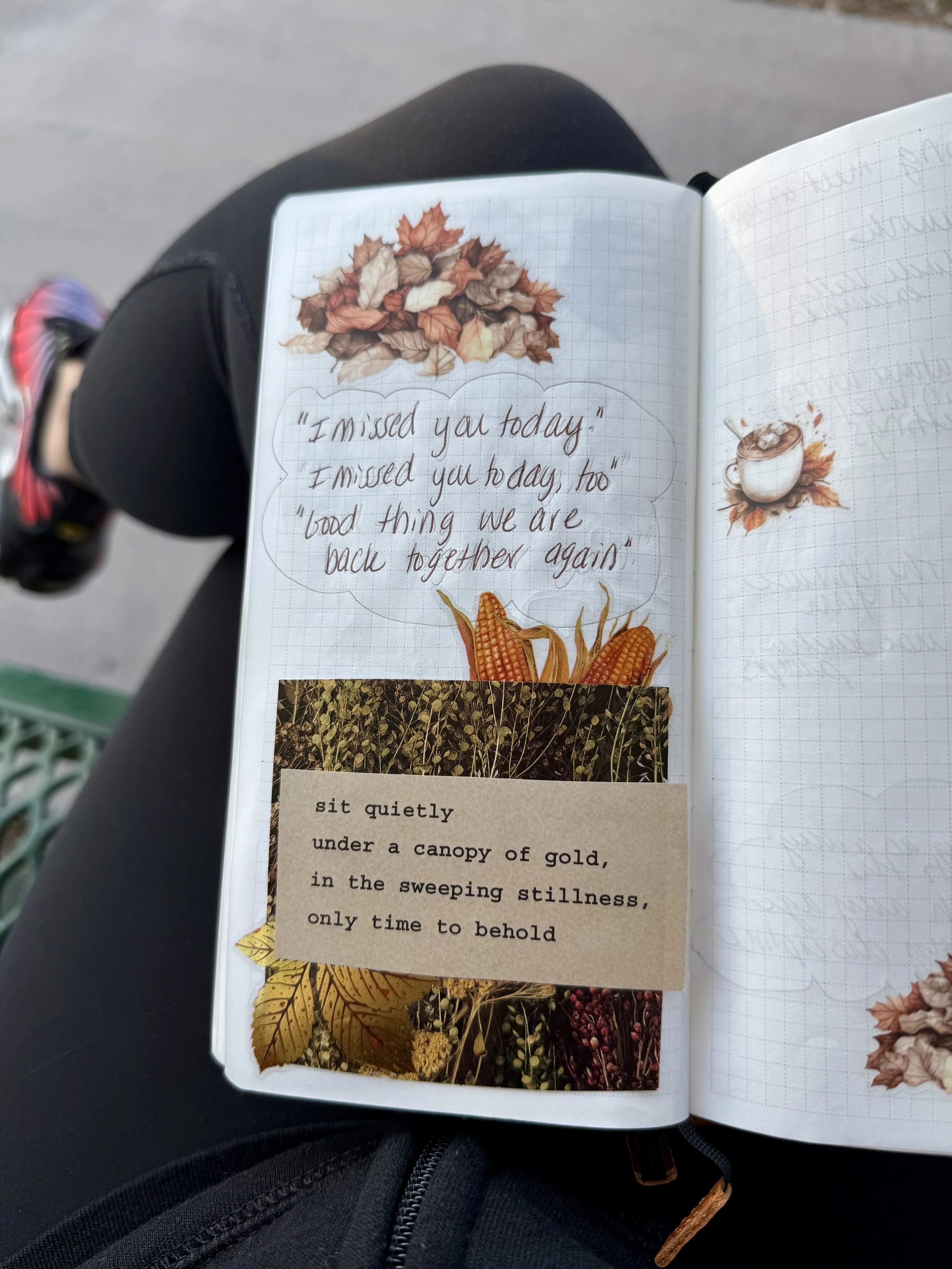
A N2 Weeks Size Notebook (or jotbook/quick notes journal) for daily capture, thinking, and overflow
Now, the two work in tandem—and honestly, it feels much more aligned with how I actually live and write.

What Stayed the Same (And What Didn’t)
The quality of the Sterling Ink planners was never the issue.
Across both sizes, you still get:
Tomoe River 52 gsm paper (which I still love for how thin and smooth it is). Note: The new notebooks use Koji Paper with the same 52 gsm.
A flexible, undated layout (monthly + weekly + grid pages) in the Common Planner setup
A clean, minimal structure that doesn’t force you into a system
So the shift wasn’t about the planner or notebook itself.
It was about capacity vs. flexibility—and how I use space.

Why the N2 Didn’t Fully Work for Me
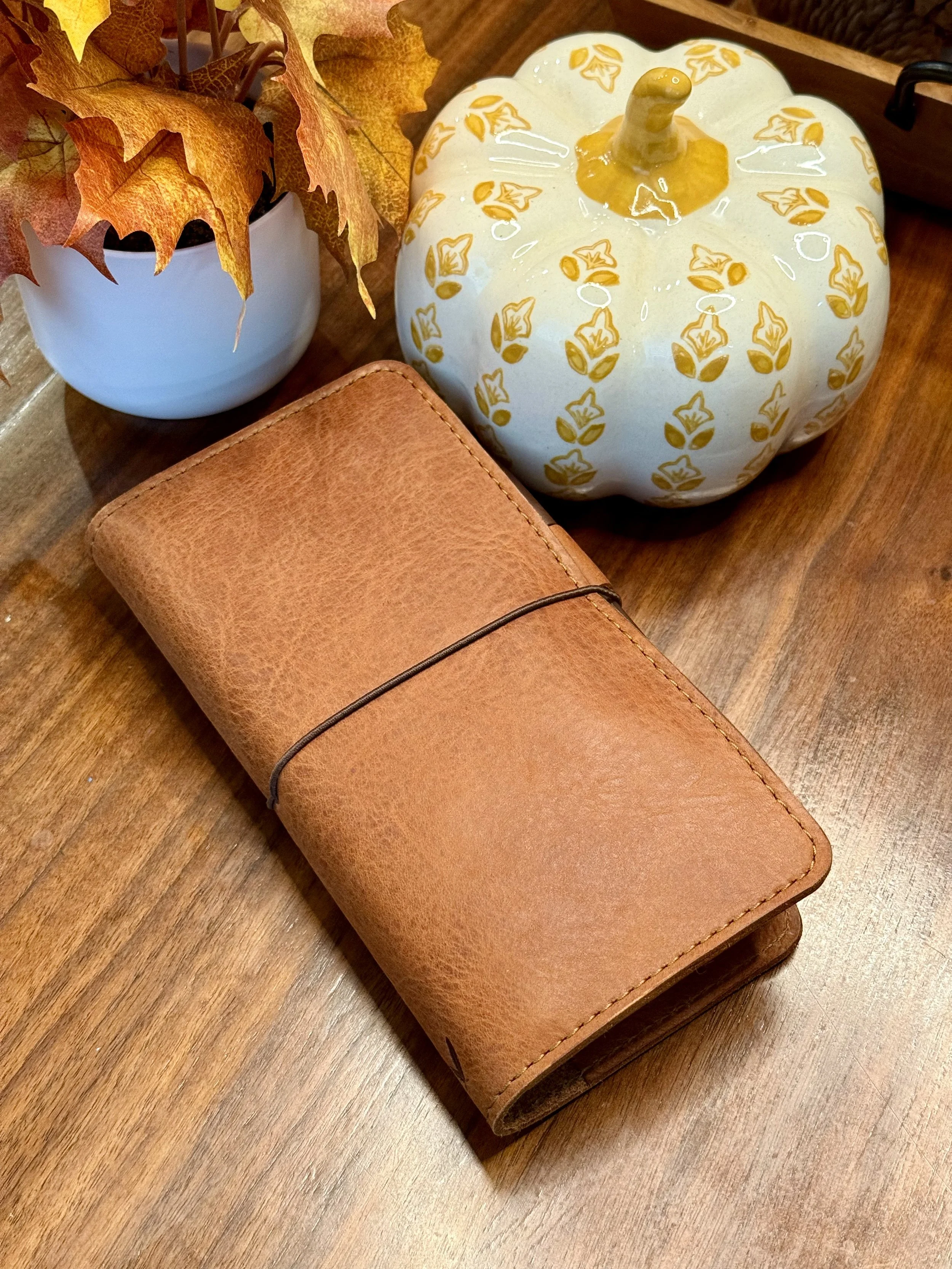
The N2 is a great planner for portability. It’s slim, lightweight, and easy to carry anywhere.
But over time, I noticed a few things:
I was writing smaller instead of thinking bigger
I avoided longer reflections because space felt tight
My planning became more about fitting things in than actually processing them
It worked well for:
Quick tasks
Appointments
Minimal planning
But it didn’t leave room for:
journaling
idea development
messy, in-progress thinking
And those are non-negotiables for me.
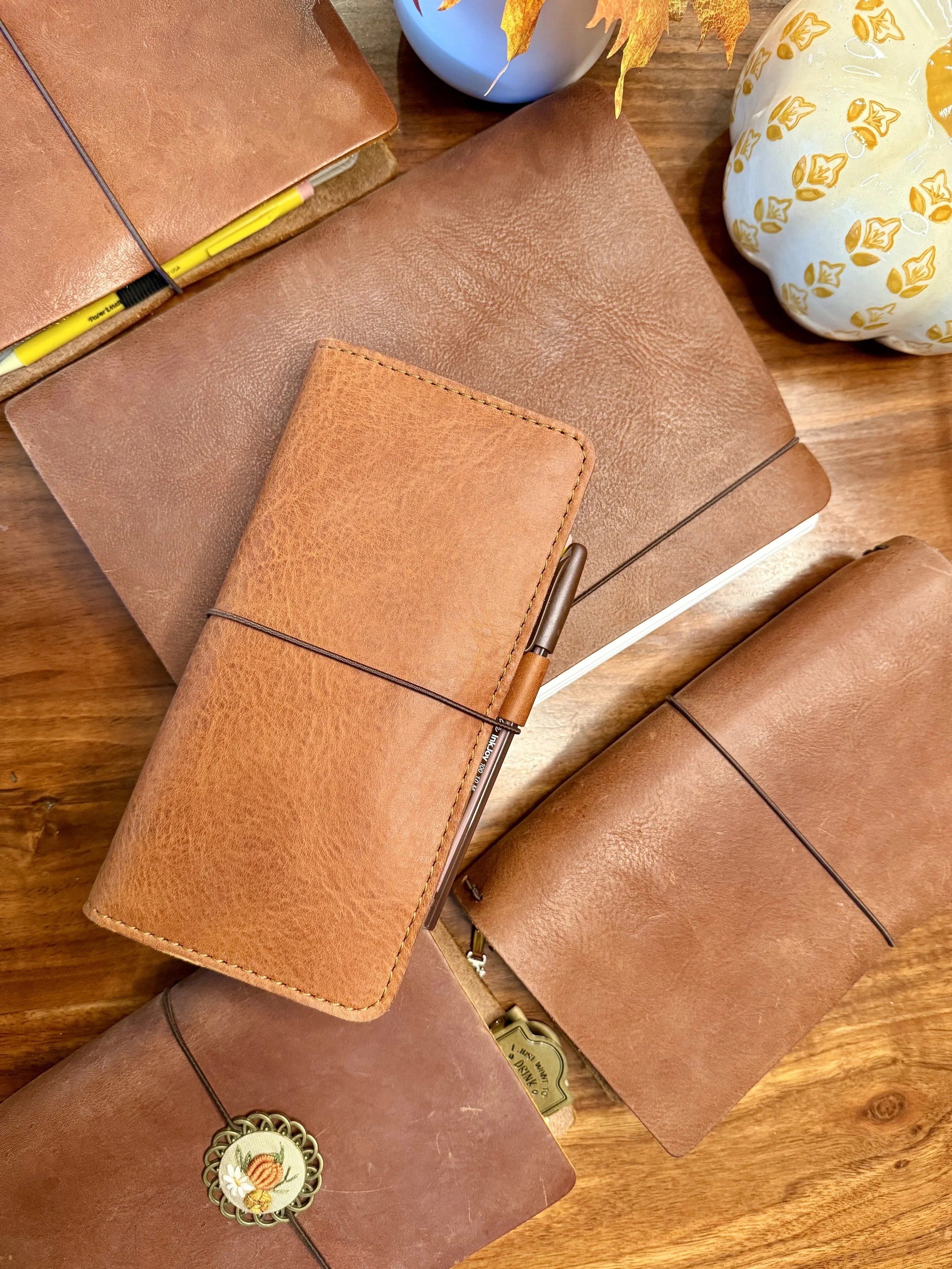
The Shift: Adding a N2 Notebook
Instead of downsizing my planner, I separated my needs.
I went back to the B6 Common Planner—but paired it with a jotbook (or quick notes notebook).
This changed everything.
The N2 Notebook Became:
My capture space
A place for quick thoughts, lists, brain dumps
Where I write without worrying about structure or neatness
Something I can carry easily, use anywhere, and fill freely
The B6 Became:
My anchor
A place for weekly planning and monthly structure
A home for reflections I want to keep
A space for intentional writing—not rushed writing
Why This System Works Better
The biggest realization?
I don’t need one notebook to do everything. I need each notebook to do one thing well.
With this system:
I don’t feel pressure to “use space correctly”
I can write freely and plan intentionally
My planner stays organized
My thinking stays fluid
And most importantly:
I actually use both—consistently.
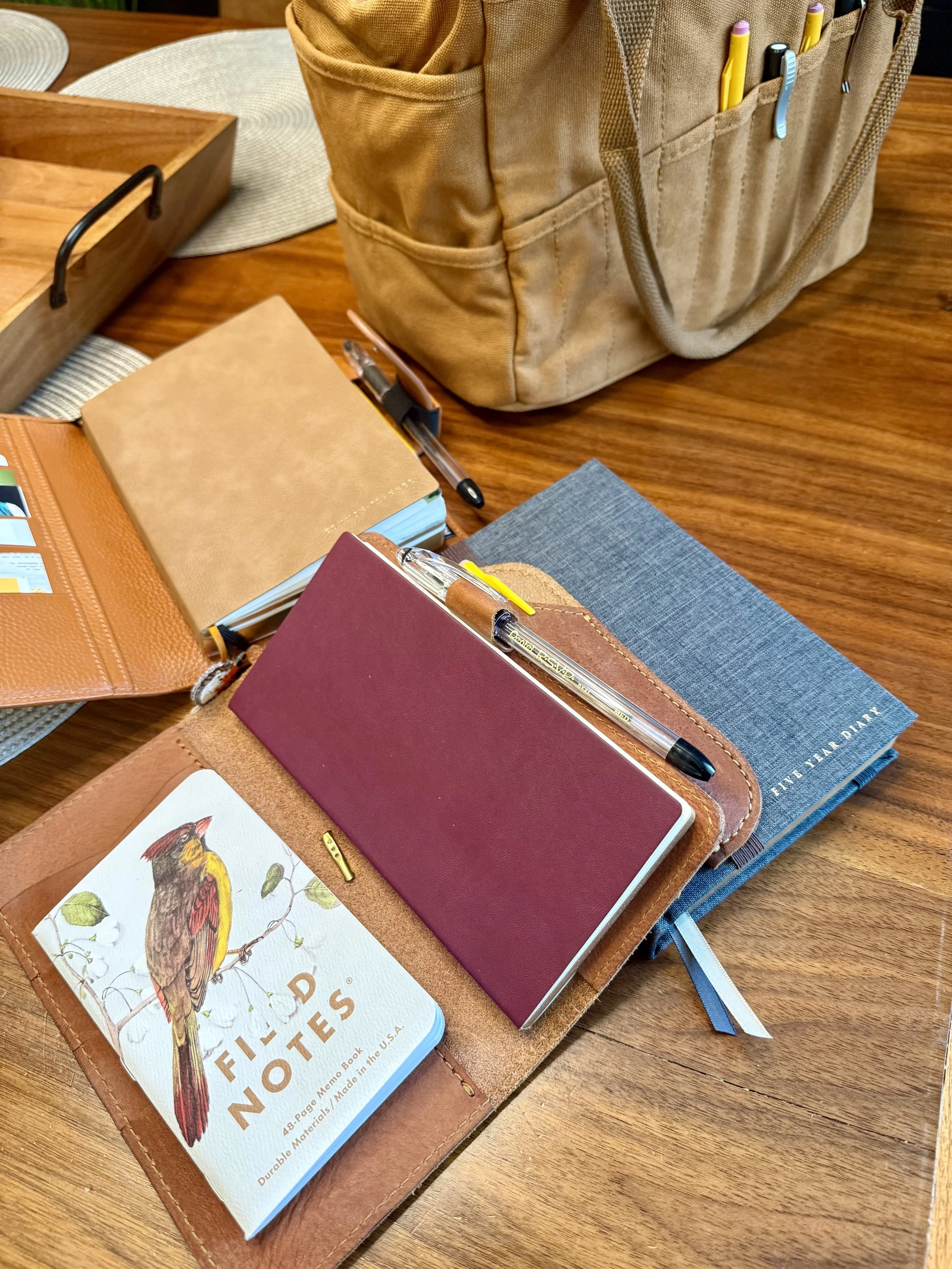
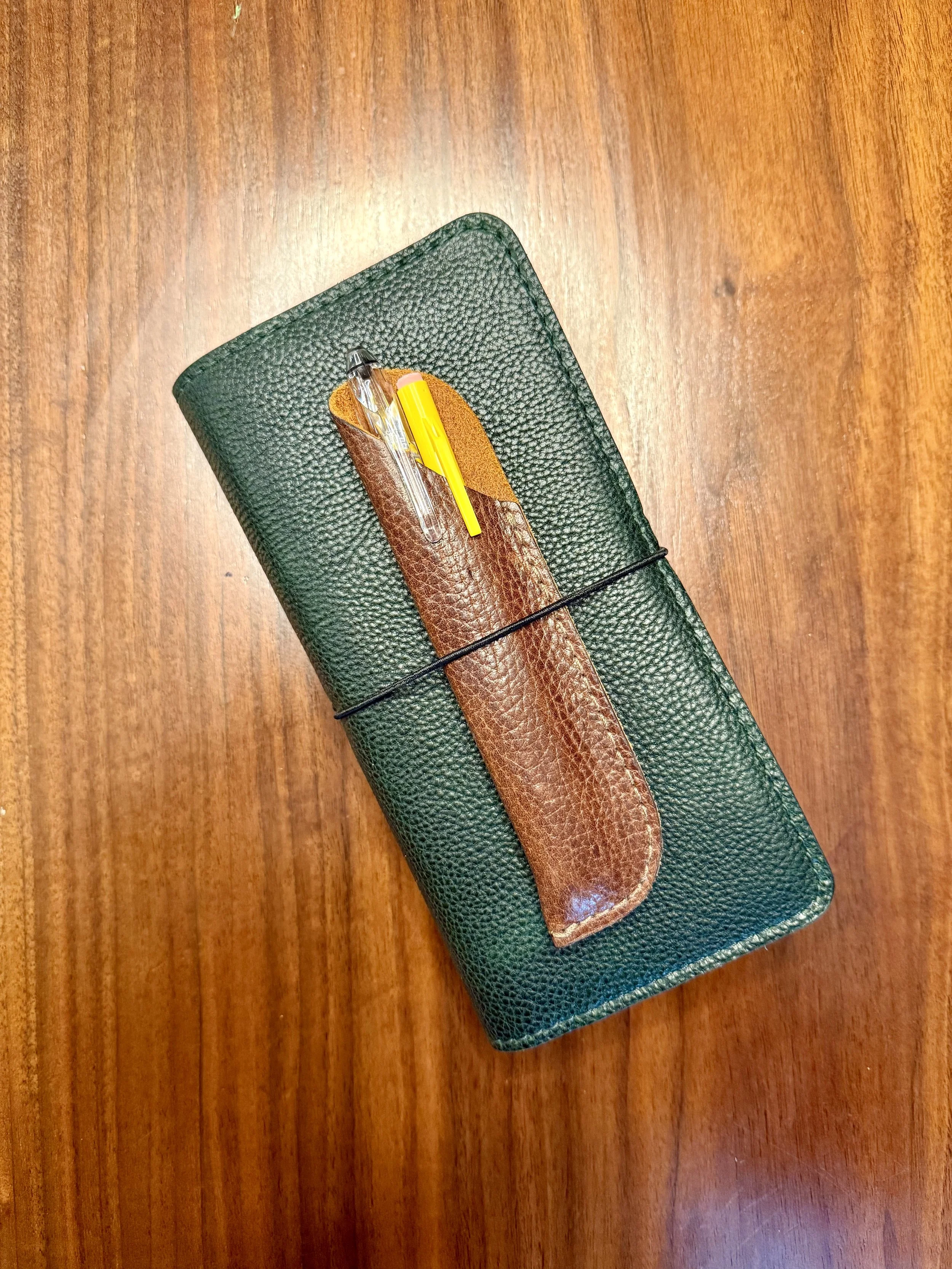

What This Looks Like in Practice
A typical day might look like this:
Morning → jotbook for quick thoughts, to-do lists, or anything on my mind
Midday → jotbook for notes, ideas, reminders on the go
Evening → B6 planner for reflecting, organizing, and planning ahead
The N2 notebook holds the raw material.
The B6 holds the refined version of my day and thinking.

If You’re Deciding Between N2 and B6…
Here’s what I’d say now:
Choose N2 if:
You want one compact planner
You mostly track tasks and appointments
You prefer minimal space and structure
Choose B6 + N2 if:
You think on paper
You journal, reflect, or process ideas regularly
You want both structure and freedom
You don’t want your planner to hold everything
Final Thought: It’s Not About Size—It’s About Function
I originally thought I needed a smaller planner.
What I actually needed was a better system.
The combination of a B6 Common Planner + a N2 gives me:
space when I need it
portability when I need it
and flexibility all the time
And that balance is what finally made planning feel sustainable again.