Disclosure: Writing Mindset only endorses things that I’ve personally used, something similar, or come highly recommended by trusted peers. If you grab anything I mention using a referral link, I may get a small commission. However, there’s no extra cost to you. If you would like to learn more, please visit the privacy policy and disclosure page.
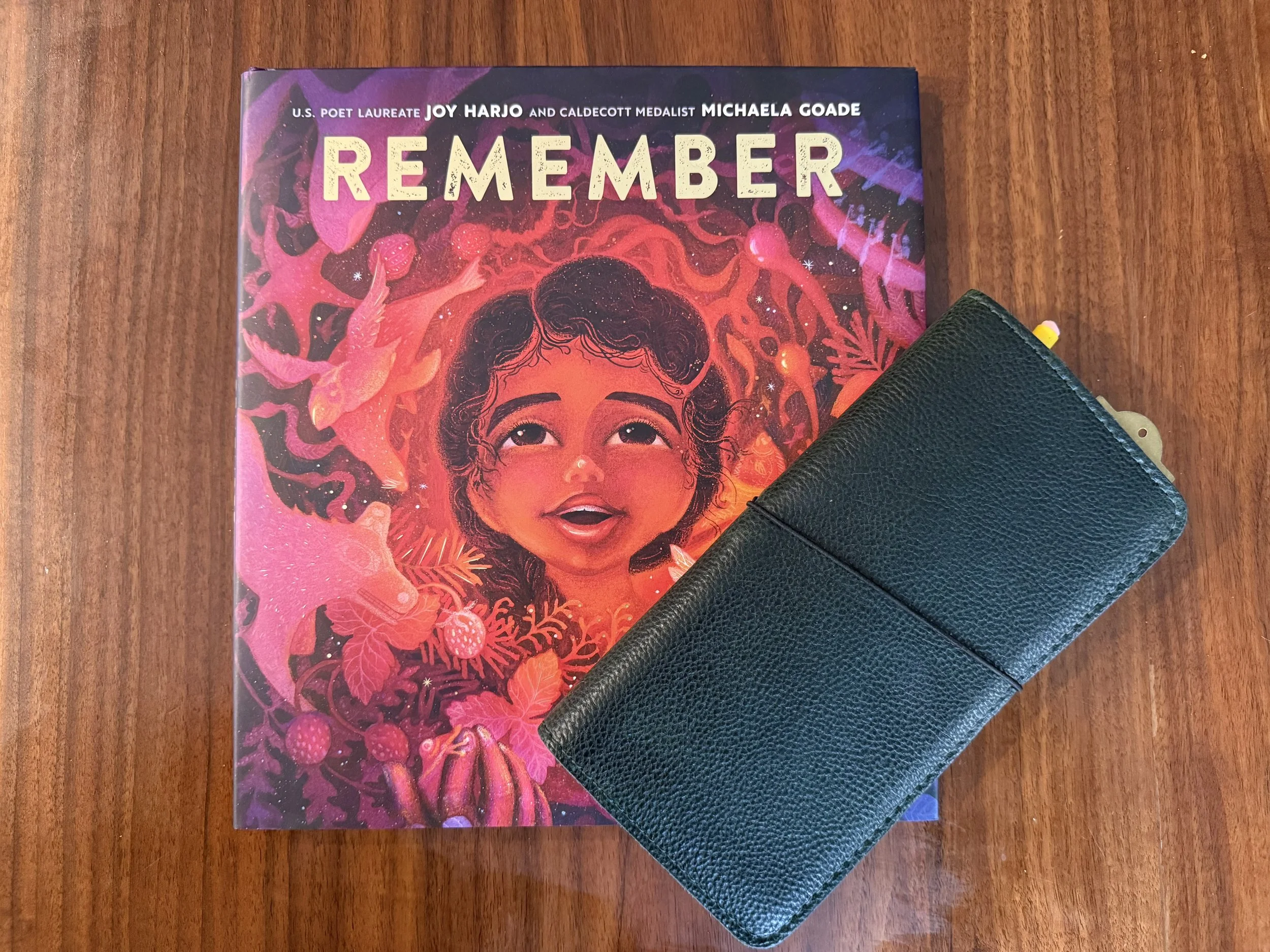
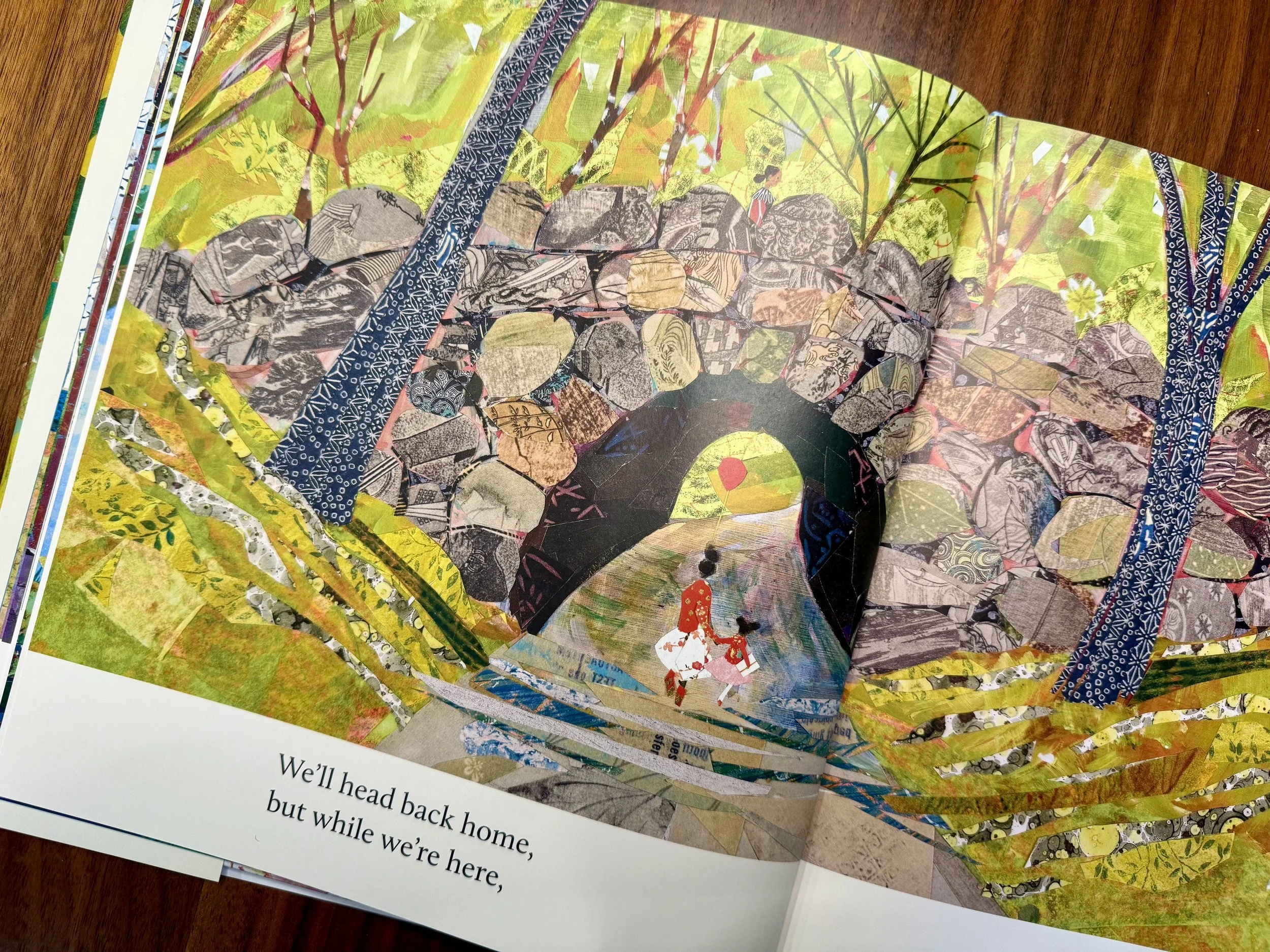
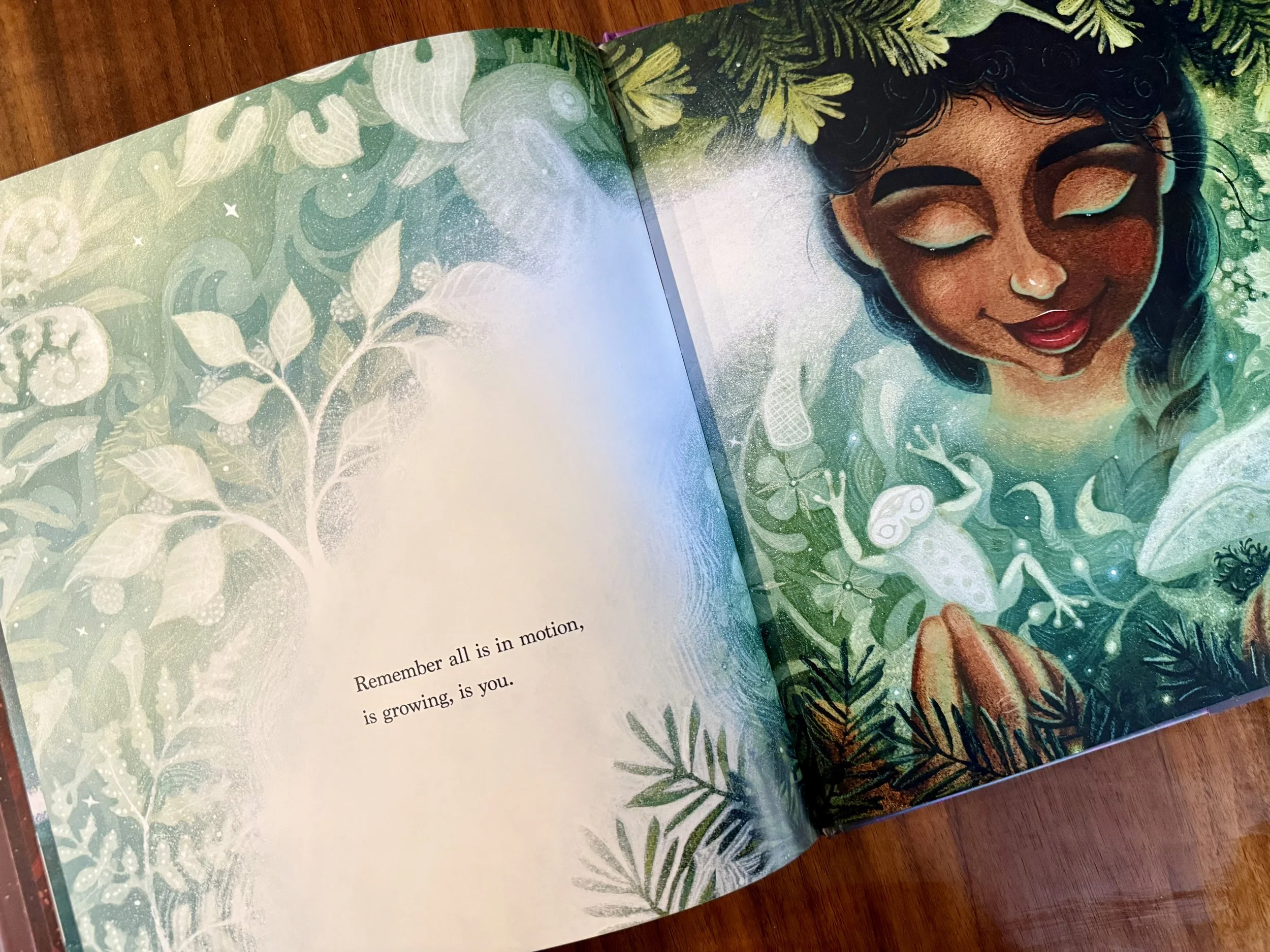
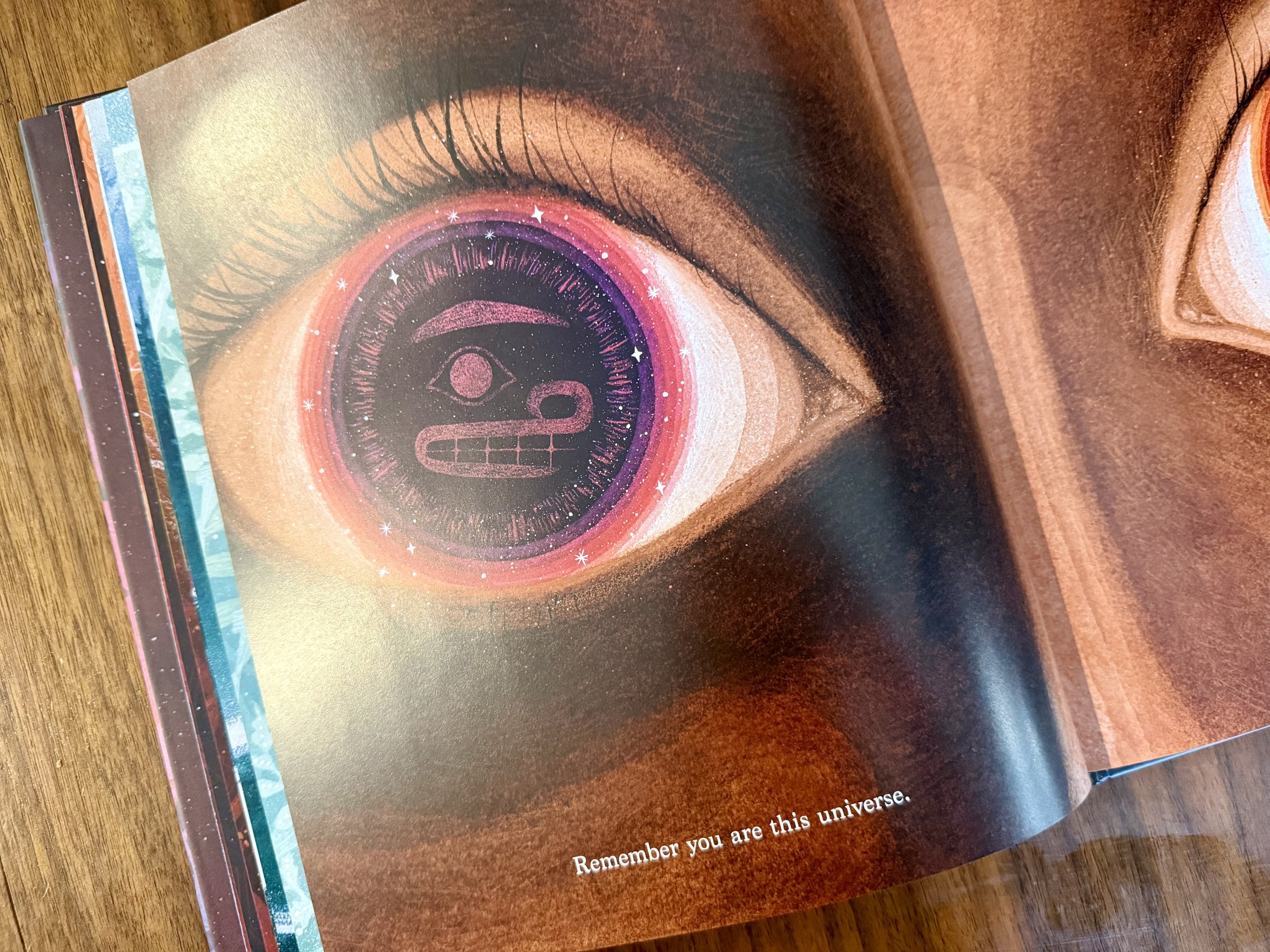
Remember, by Joy Harjo and illustrations by Michaela Goade, is an invitation to reflect on who we are, where we come from, and how we are connected to the world around us. Through Harjo’s poetic repetition and grounding language, readers are reminded that memory is not just something we recall—it is something we carry.
The text moves gently through reminders of connection: to the earth, to ancestors, to breath, to belonging.
This book encourages us to slow down, to listen inward, and to recognize that our stories are part of something larger. For writers, Remember becomes an entry point into reflective writing, where memory, identity, and observation can meet.
In this post, you can find…
Tips for using this book as a mentor text for writing
Ways to use the book with preschoolers, grades k-5, grades 6-8, grades 9-12, and for disciplinary literacy projects
Journaling prompts linked to the book (including nature journaling)
One grammar exercise to access grammar instruction
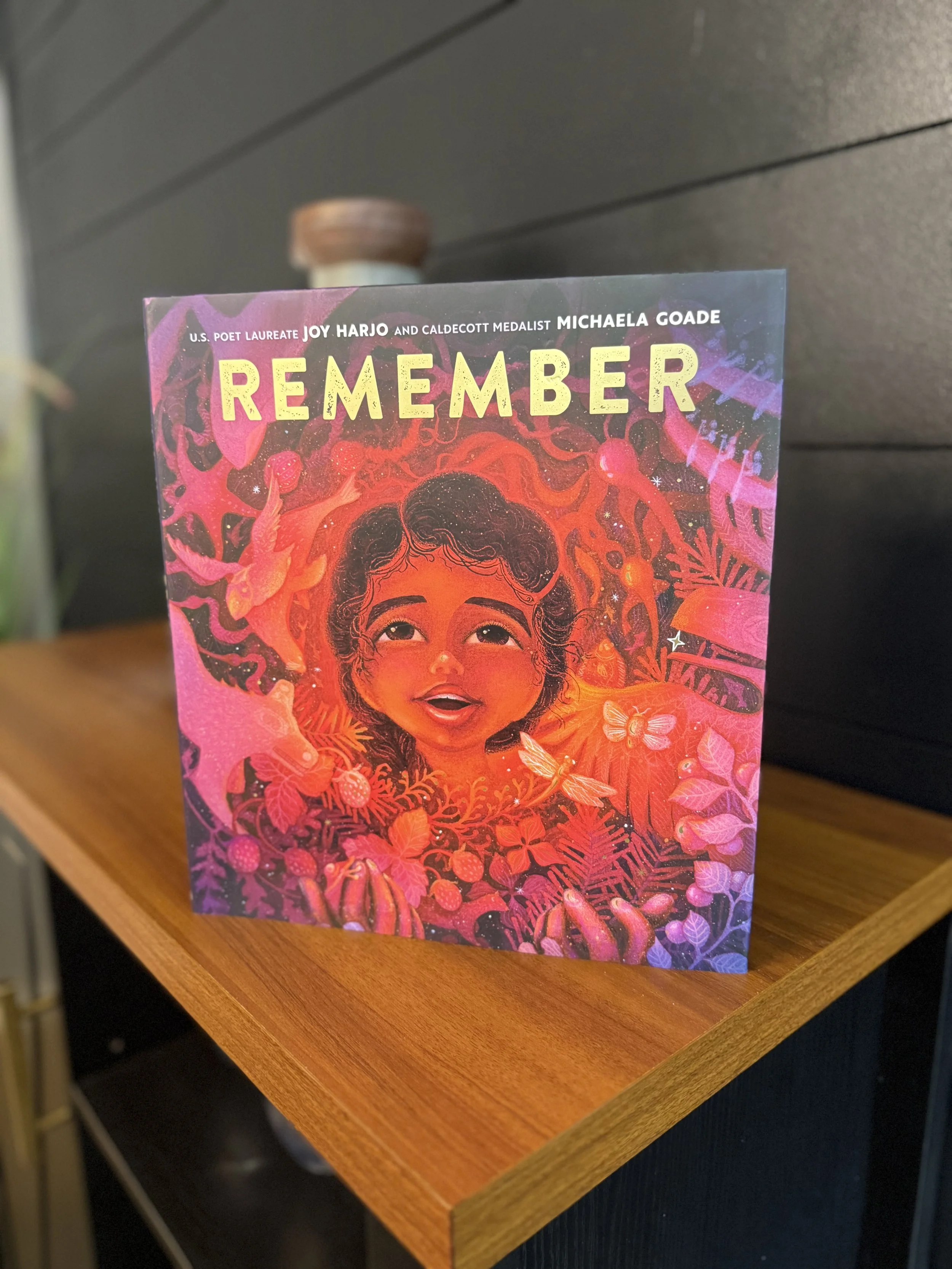
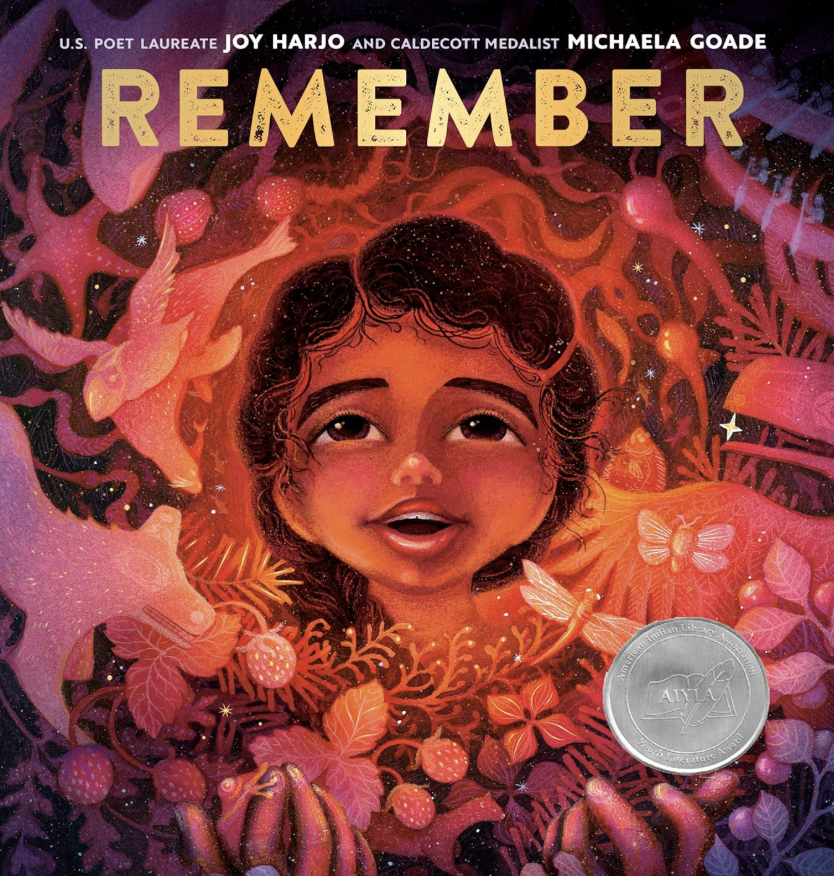
Remember
by Joy Harjo and Michaela Goade
US Poet Laureate Joy Harjo’s iconic poem "Remember," illustrated by Caldecott Medalist Michaela Goade, invites young readers to pause and reflect on the wonder of the world around them, and to remember the importance of their place in it.
Remember the sky you were born under,
Know each of the star's stories.
Remember the moon, know who she is.
Remember the sun's birth at dawn,
That is the strongest point of time.
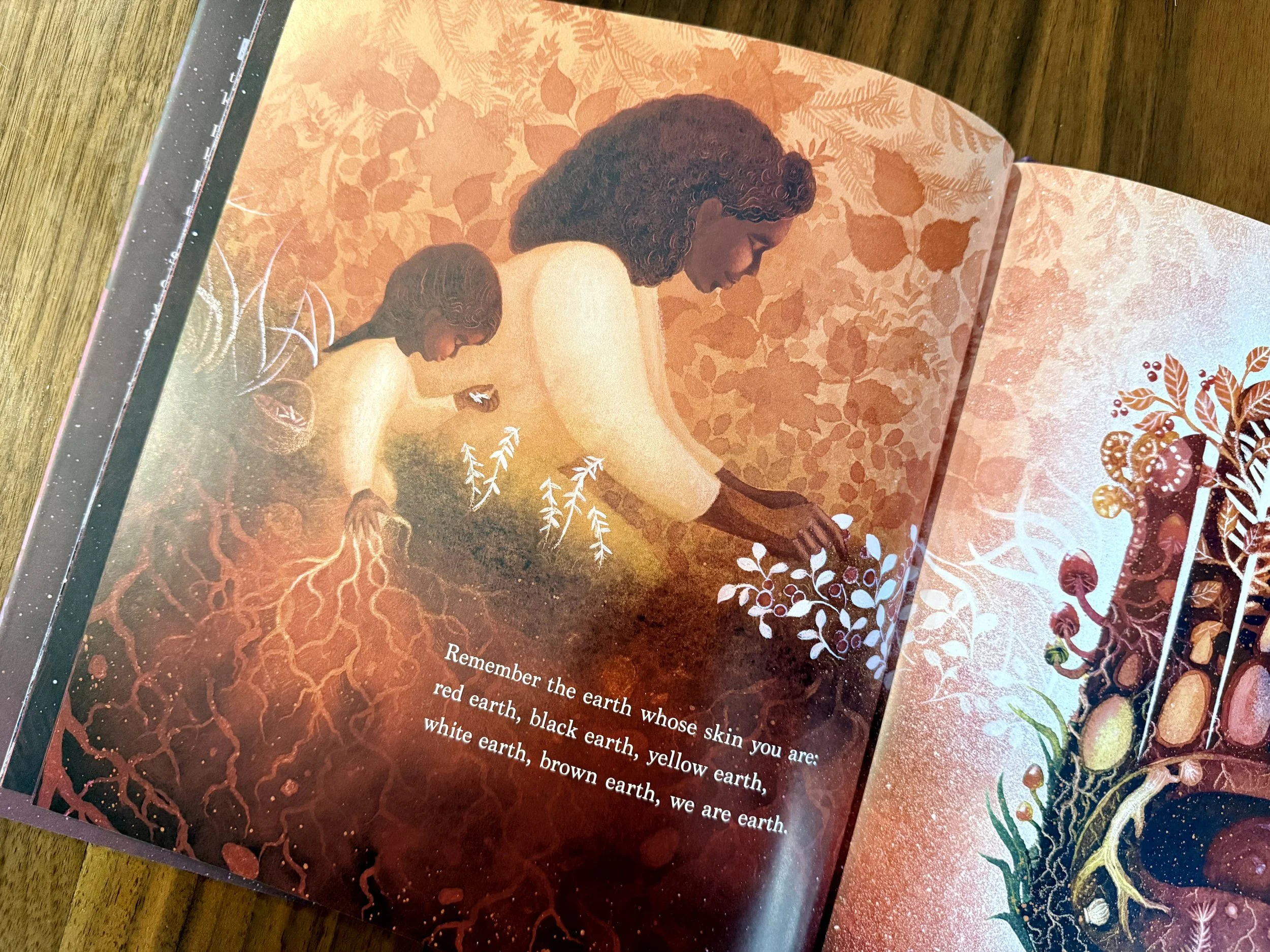
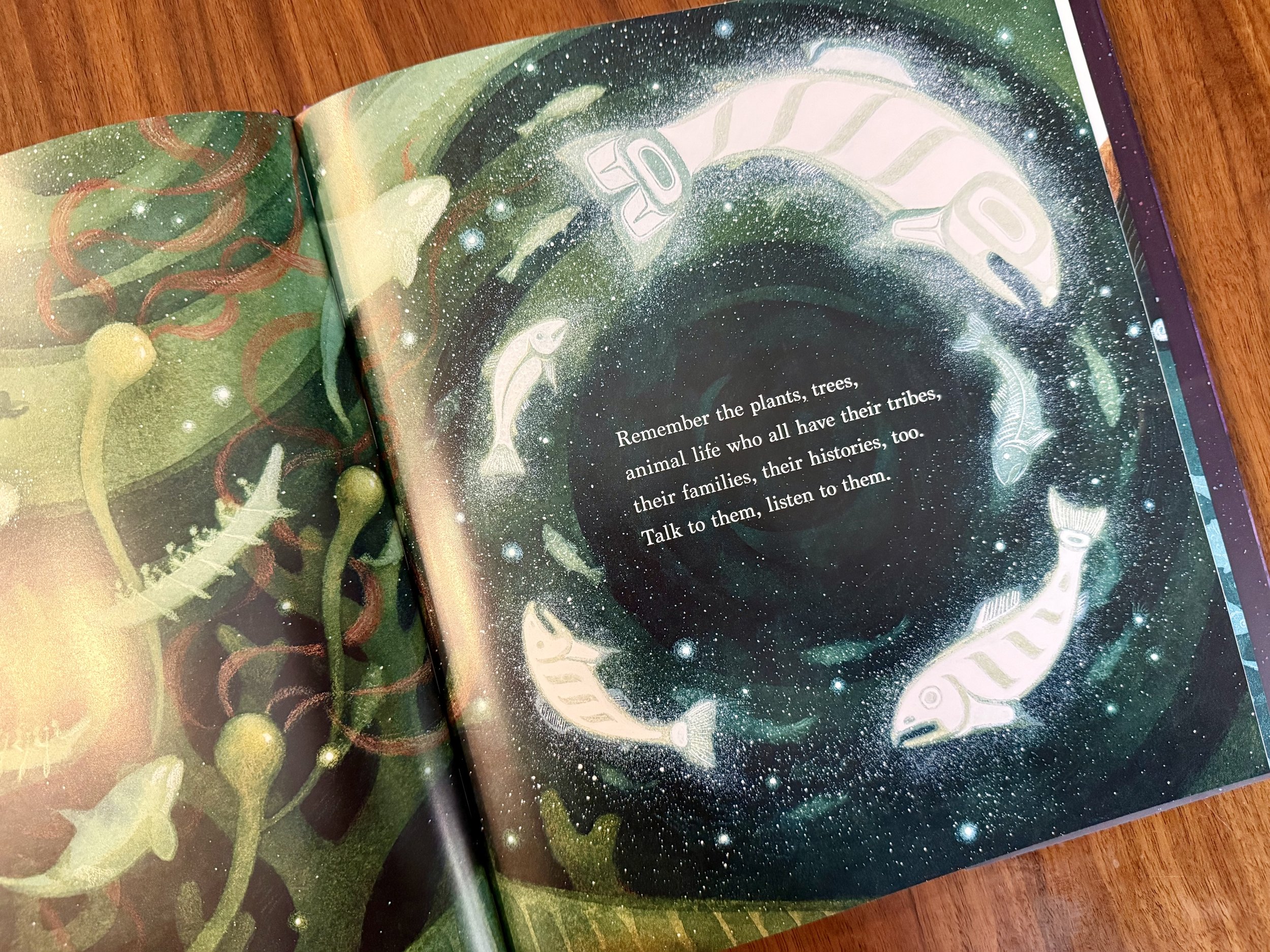
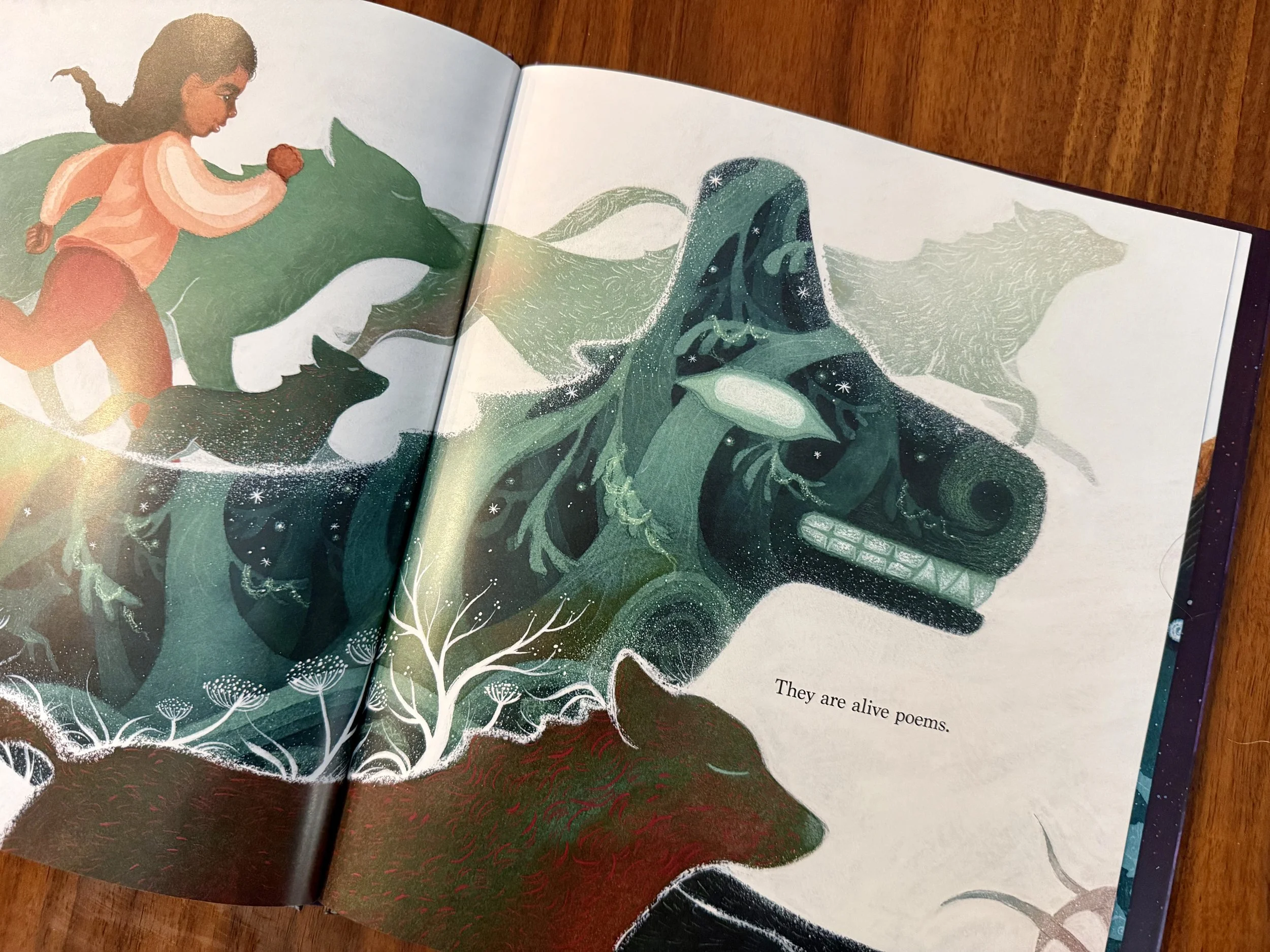
So begins the picture book adaptation of the renowned poem that encourages young readers to reflect on family, nature, and their heritage. In simple and direct language, Harjo, a member of the Mvskoke Nation, urges readers to pay close attention to who they are, the world they were born into, and how all inhabitants on earth are connected. Michaela Goade, drawing from her Tlingit culture, has created vivid illustrations that make the words come alive in an engaging and accessible way.
This timeless poem paired with magnificent paintings makes for a picture book that is a true celebration of life and our human role within it.
Using Remember as a Mentor Text
This mentor text is ideal for teaching repetition, structure, and reflective writing. Harjo models how a single word—remember—can anchor an entire piece, creating rhythm, emphasis, and meaning.
When reading Remember, notice how she:
Uses repetition to build structure – The repeated phrase “Remember…” creates a steady rhythm and unifies the text
Connects the personal to the universal – Individual experience is tied to nature, history, and shared humanity
Builds meaning through accumulation – Each line adds another layer of understanding
Uses simple language with deep impact – The words are accessible, but the meaning is expansive
As a mentor text, Remember shows that writing can be both simple and profound—that meaning grows through reflection and connection.
Writing Prompt: “Remember…”
Open your notebook and begin with one word:
Remember…
Let your writing unfold from there. Write a series of lines or sentences, each beginning with “Remember,” or returning to the idea of memory and connection.
You might write:
A memory from your childhood
A place that feels important to you
Something someone once told you
A moment you don’t want to forget
A connection to the natural world
Try to mirror Harjo’s style—repetitive, reflective, and grounded in meaning.
Sample Openings
Remember the way the air felt just before it rained…
Remember the place you return to in your mind…
Remember something small that still matters…
Remember who you were before you knew how to explain it…
This type of writing builds voice, reflection, and depth, helping writers connect personal experience to larger ideas.
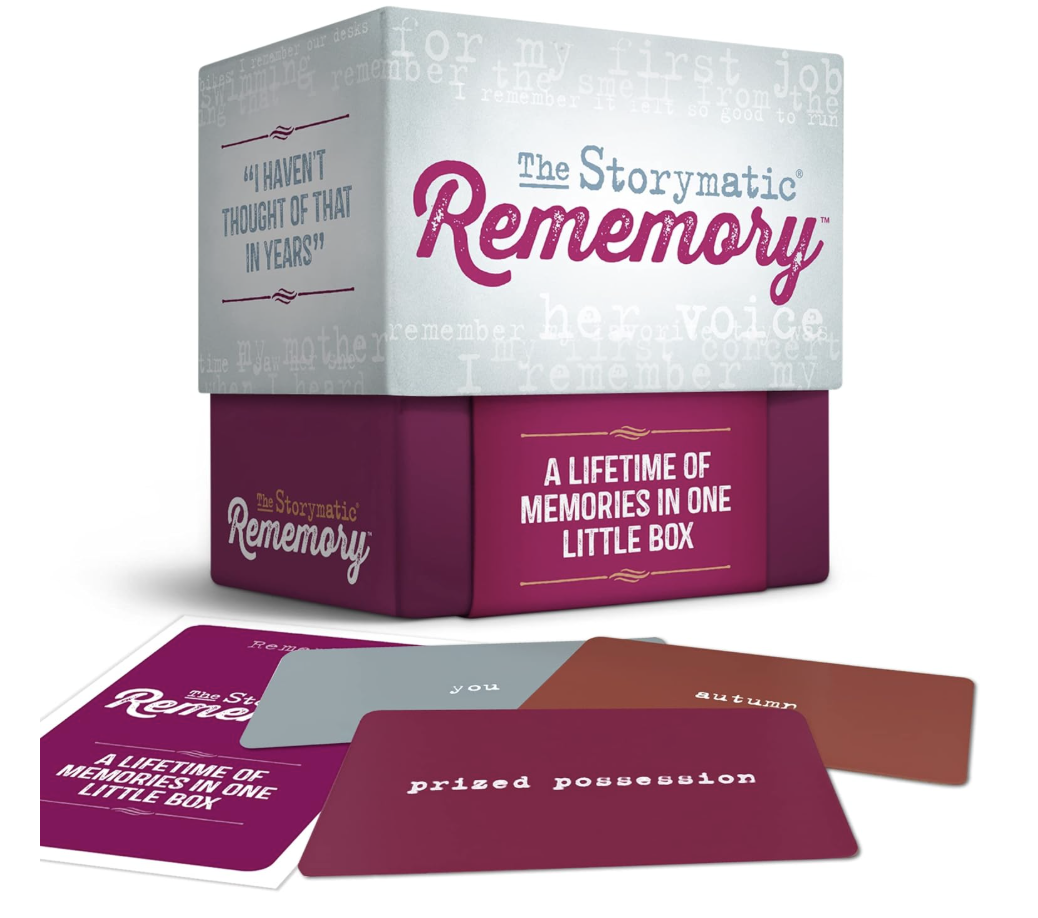
Storymatic Rememory – Writing Prompts and Memory Prompts
Memory-based Writing Prompts: Used by memoir writers, poets, artists, and creative people around the world; These 230 cards can help you access memories to explore and share; Helps with writer’s block; Ideal for journaling; Great gift for writers
How to Use: It’s super easy: draw one Generation card, one Season card, one Prompt card, and let a memory come to you; Use by yourself or in a group; Includes ideas for non-competitive, memory-based storytelling games; Great gift for teachers
From Stephanie’s notebook, 2026
Why This Works
Writing from memory invites both attention and meaning-making. When we pause to remember, we begin to notice patterns, connections, and moments that shape who we are.
Remember reminds us that writing is not just about describing what we see—it’s about understanding what it means.
Writing in this way helps us:
Develop a stronger sense of voice
Make connections across experiences
Reflect on identity and belonging
Build fluency through repetition
👉 Try it today: Write for five minutes beginning with “Remember…” and see where your thinking takes you.
For Educators: Bringing Remember into the Classroom
Grades K–5
Use the sentence stem “Remember…” to help students share personal memories
Draw and label a memory before writing
Create a class book: Things We Remember
Practice oral storytelling before writing
Grades 6–8
Quickwrite: “One memory that has stayed with me…”
Study how repetition builds structure and meaning
Write a series of “Remember…” lines connected by a theme
Revise by adding detail or expanding one line
Grades 9–12
Reflective writing: What does it mean to remember?
Analyze how repetition shapes tone and purpose
Write a piece connecting personal memory to a larger idea (identity, place, community)
Experiment with structure: repetition, line breaks, pacing
Disciplinary Literacy Connections
Remember can extend across content areas:
Science: Write about environmental connections or natural cycles
Social Studies: Explore cultural memory, history, and storytelling traditions
Art: Create visual representations of memory using color and symbolism
ELA: Analyze repetition and structure in poetry and prose
Each activity reinforces that writing is a way to connect, reflect, and understand.
Grammar Focus: Sentence-Level Craft
Skill Focus: Understanding Verb Tense (Past, Present, Future)
In Remember, verbs help us understand when something happened—what we carry from the past, what we know now, and what we are still becoming.
Teach students to notice:
Past tense shows what has already happened
Present tense shows what is happening now or what is true
Future tense shows what is ahead or possible
Model Examples:
Past: I remembered the stories my grandmother told me.
Present: I remember where I come from.
Future: I will remember who I am becoming.
Connect to the style of the text:
I carried my family’s stories with me. (past)
I carry my family’s stories with me. (present)
I will carry my family’s stories with me. (future)
Have students:
Start with a simple sentence stem (I remember…, I carry…, I believe…)
Write the same idea in past, present, and future tense
Notice how the meaning shifts depending on the tense
Student Examples:
I walked through the forest with my family. (past)
I walk through the forest with my family. (present)
I will walk through the forest with my family. (future)
I felt strong when I tried something new. (past)
I feel strong when I try something new. (present)
I will feel strong when I try something new. (future)
Nature Journaling Connection
Remember invites writers to connect memory to the natural world—showing how what we see around us can hold meaning, history, and feeling.
Try this:
Sit quietly indoors or outside
Notice one small detail in your environment (a sound, texture, movement, light)
Write from two layers:
What you see now
What it reminds you of
Student Examples (Observation → Memory):
I see sunlight stretching across the floor. → It reminds me of early mornings at my grandma’s house.
I hear birds calling outside my window. → It reminds me of walking to school in the spring.
I notice the wind moving the trees. → It reminds me of the day we flew a kite at the park.
I see rain hitting the sidewalk. → It reminds me of when I used to jump in puddles.
Or, try writing from two perspectives:
“I remember…” (personal memory)
“The world remembers…” (a broader, nature-centered perspective)
Student Examples (Dual Perspective):
I remember sitting under this tree with my family.
The world remembers every person who has rested in its shade.I remember picking flowers in the field.
The world remembers each season they have bloomed and faded.I remember learning to ride my bike on this street.
The world remembers all the wheels that have passed over it.I remember watching the ocean for the first time.
The world remembers every wave that has reached the shore.
Additional Prompts for Reflection and Wellness
What memories shape who I am today?
What places feel like part of me?
What do I carry that others cannot see?
What do I want to remember more often?
These prompts support identity, grounding, and emotional awareness.
Final Thought
Remember reminds us that writing is not just about recording the present—it is about honoring the past and making sense of who we are.
When we invite students to remember, we invite them to:
slow down
reflect
connect
And in doing so, we help them discover that their experiences—and their voices—matter.