Disclosure: Writing Mindset only endorses things that I’ve personally used, something similar, or come highly recommended by trusted peers. If you grab anything I mention using a referral link, I may get a small commission. However, there’s no extra cost to you. If you would like to learn more, please visit the privacy policy and disclosure page.
The Tree in Me is a quiet, powerful exploration of growth, change, and the deep connections between humans and the natural world. Through lyrical language and expressive illustrations, Luyken invites readers to see themselves reflected in trees—rooted, reaching, bending, and growing.
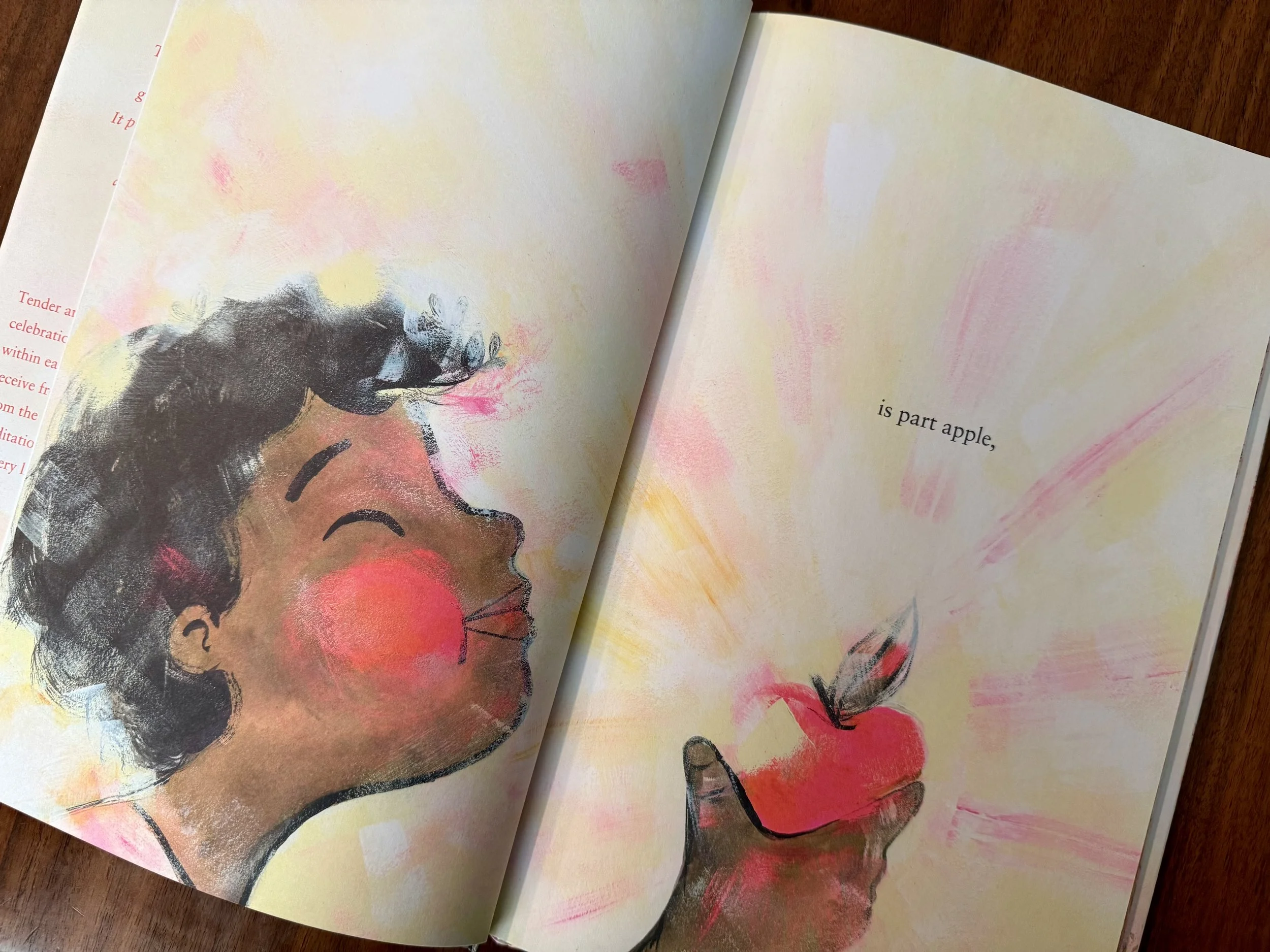
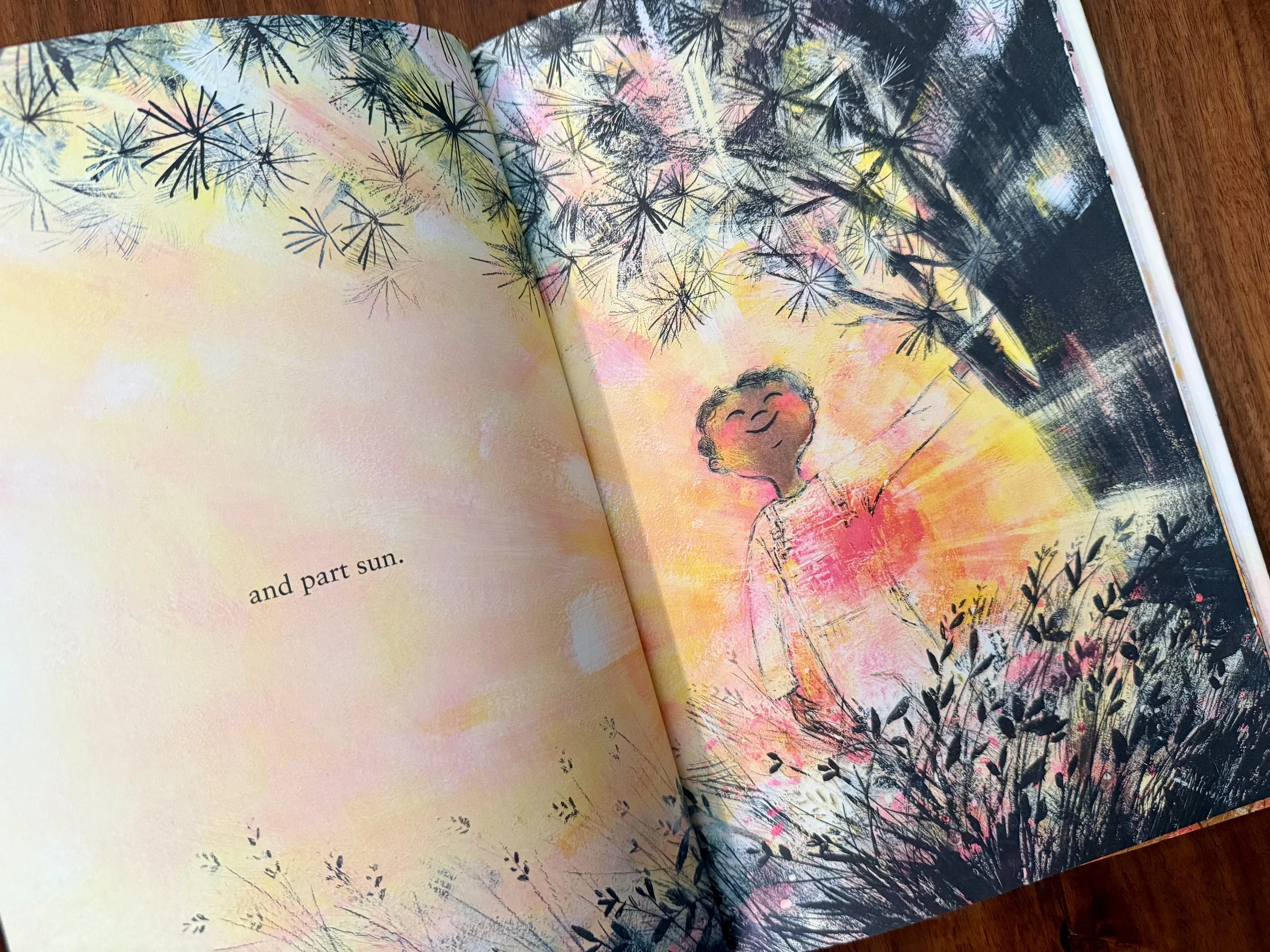
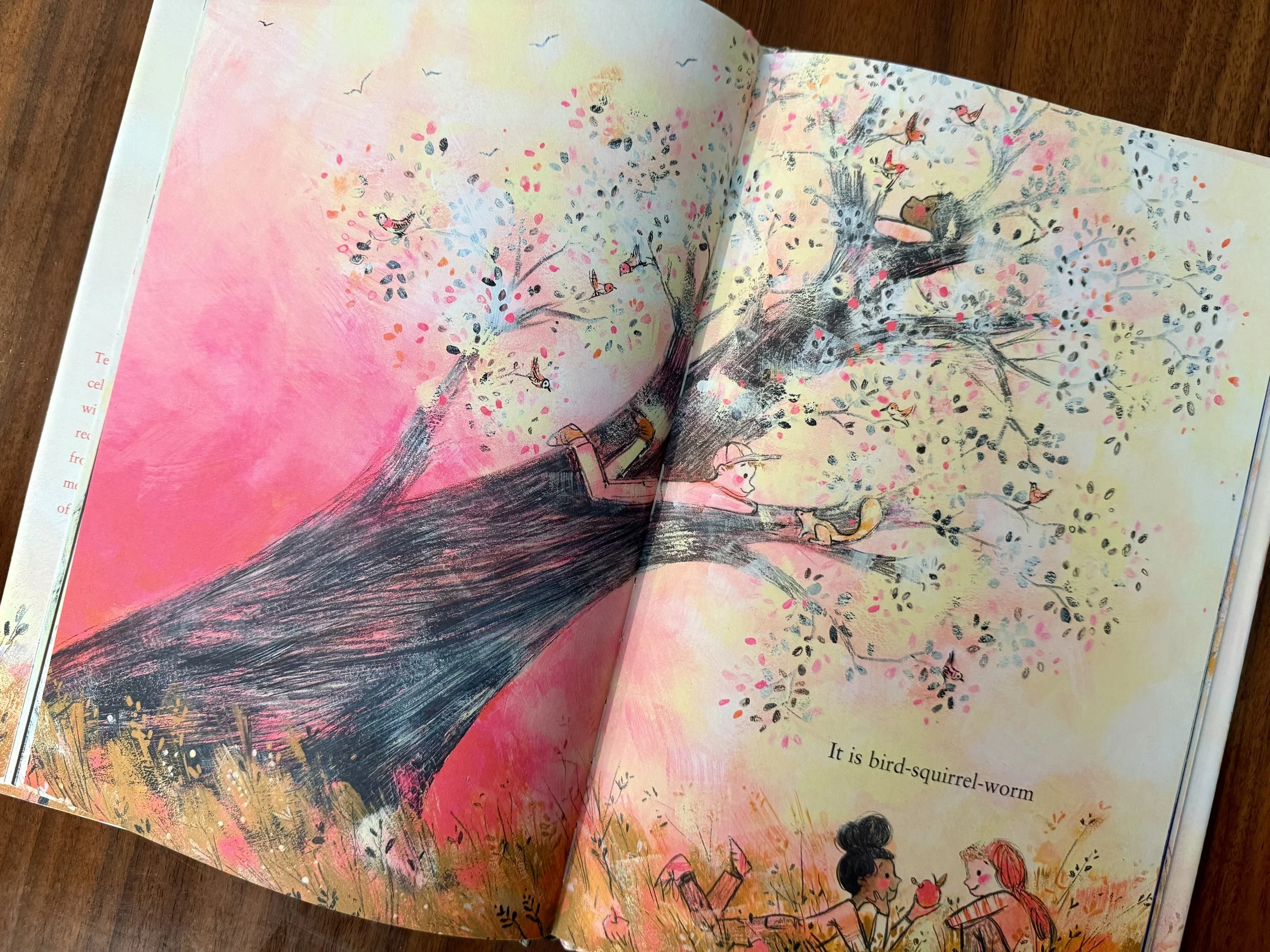
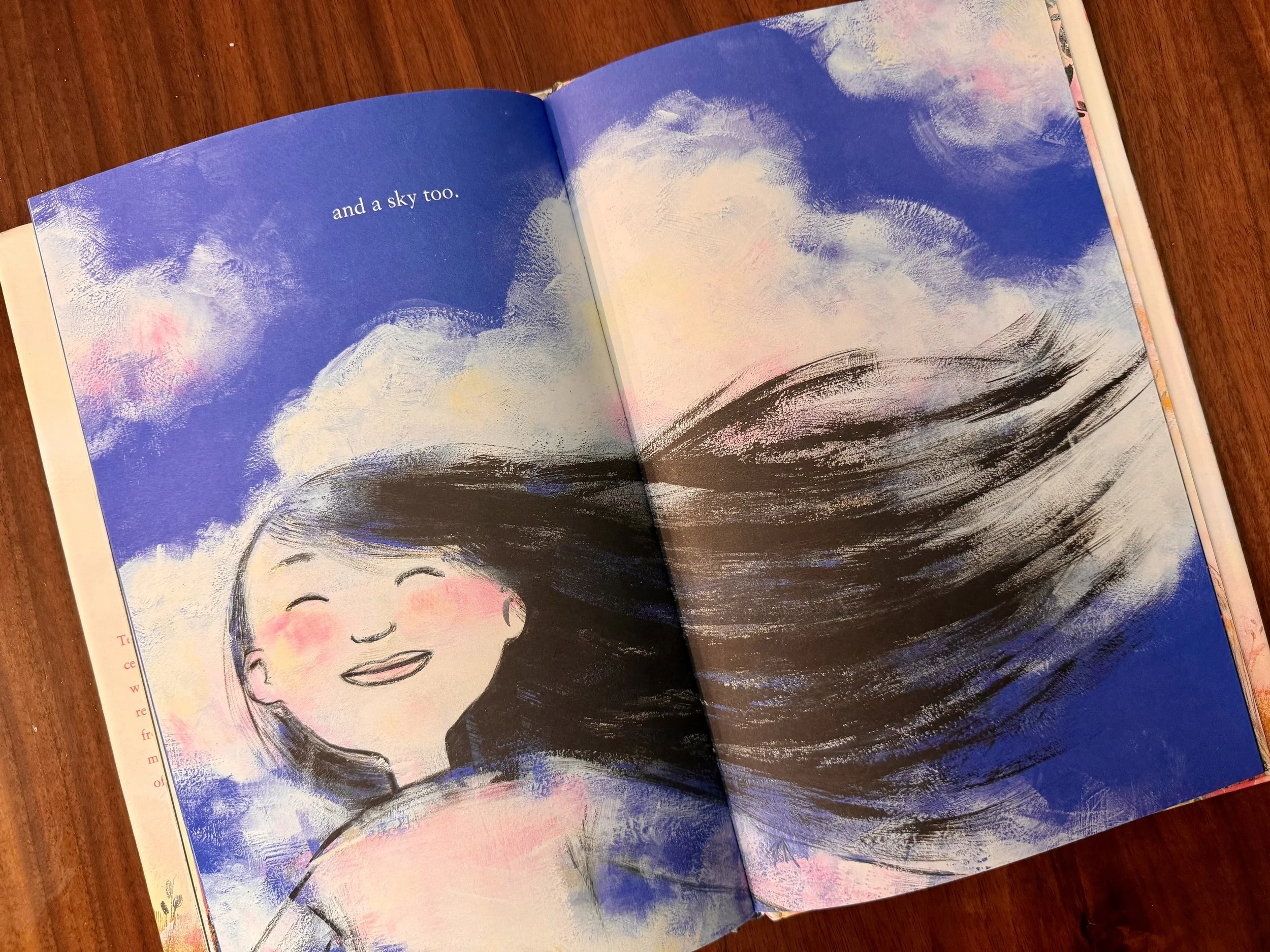
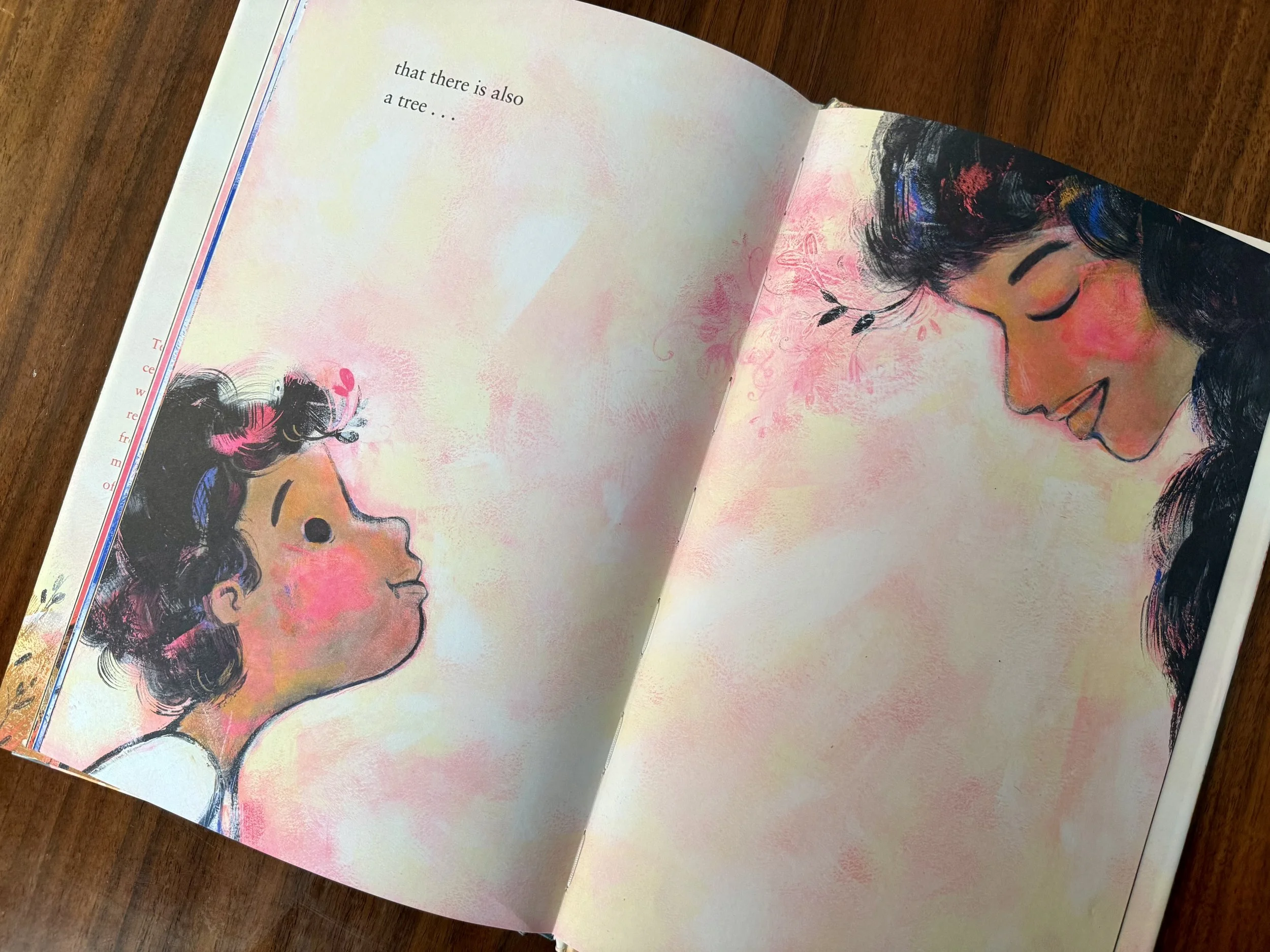
I especially love the colors throughout this book. The pages evoke a pink sunset, with bright oranges and pinks that seem to jump off the page.
This book reminds us that growth is not always linear. Like trees, we stretch toward the light, weather storms, and change with the seasons. For writers, The Tree in Me becomes an entry point into reflective and metaphorical writing, where personal experience connects to the natural world.
While the book primarily focuses on the trees within us, these ideas can extend to other elements of nature as well. We might consider the storms within us, the flowers that grow inside us, or the gardens we cultivate with our thoughts. In this way, we are deeply connected to the natural world and to one another.
In this post, you can find…
Tips for using this book as a mentor text for writing
Ways to use the book with preschoolers, grades k-5, grades 6-8, grades 9-12, and for disciplinary literacy projects
Journaling prompts linked to the book (including nature journaling)
One grammar exercise to access grammar instruction
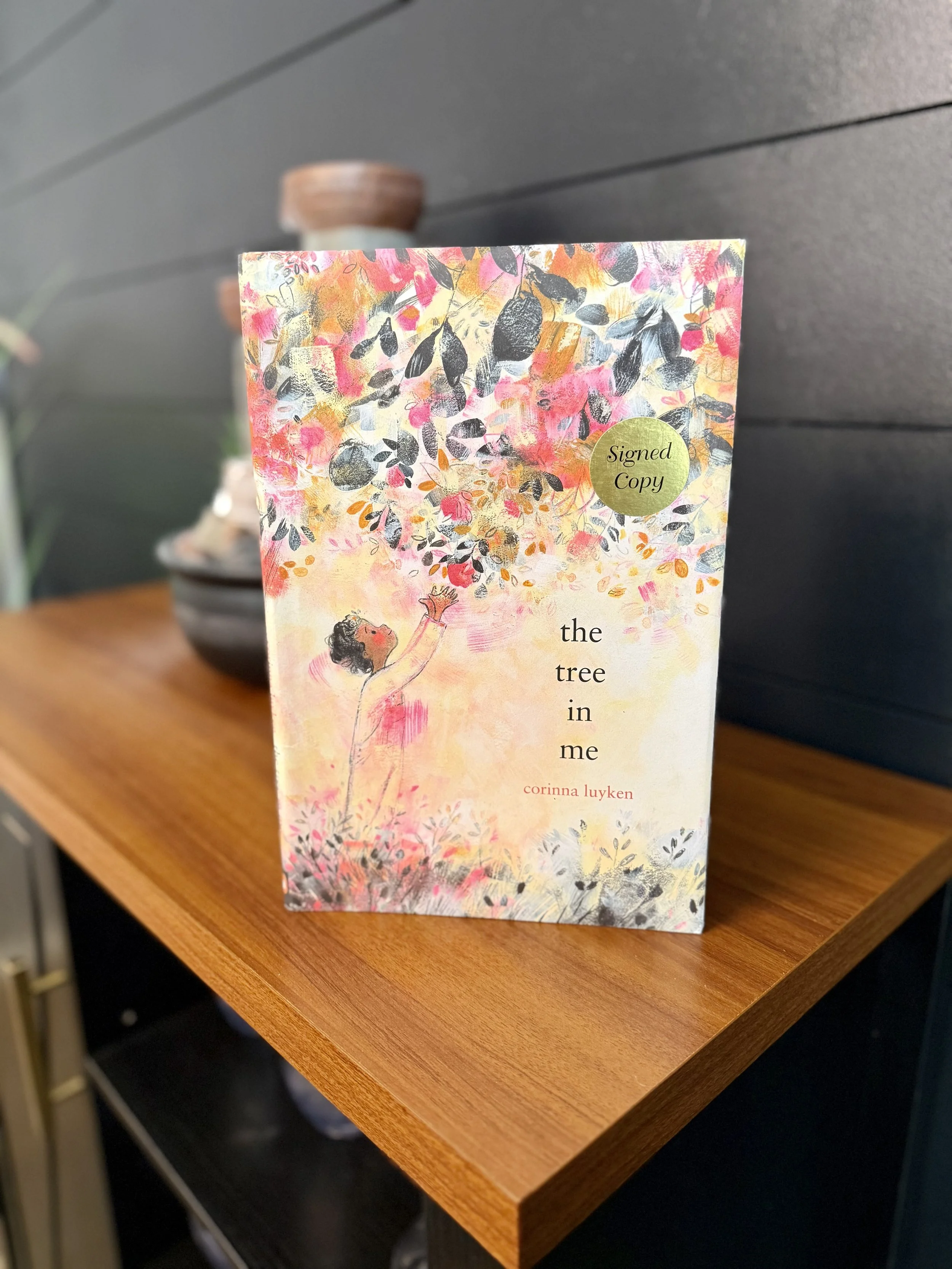
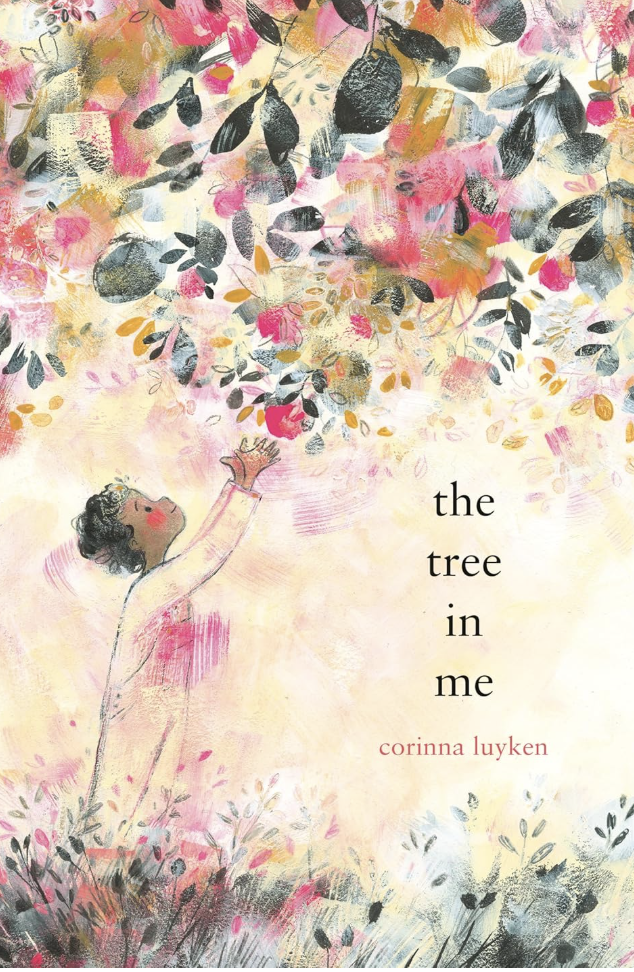
The Tree in Me
by Corinna Luyken
A stunning and sensitive portrait of the strength within each of us and the nourishment we receive from the natural world, by the New York Times bestselling creator of the acclaimed My Heart and The Book of Mistakes
Through poetic text and exquisite illustrations of children reveling in nature, this picture book explores the various ways we as human beings are strong, creative, and connected to others. Each of us is like a tree, with roots and fruit, and an enduring link to everything else in nature. "The tree in me is strong. It bends in the wind, and has roots that go deep . . . to where other roots reach up toward their own trunk-branch-crown and sky."
As Corinna Luyken did in her award-winning My Heart, she again provides an invigorating conversation-starter that contains a world of truths--about self-esteem, community, and living a meaningful life.
Using The Tree in Me as a Mentor Text
This mentor text is ideal for teaching metaphor, reflection, and thematic writing. Luyken models how a single extended comparison—human to tree—can carry meaning across an entire piece.
When reading The Tree in Me, notice how she:
Uses extended metaphor – The tree becomes a way to understand human experience
Builds ideas through repetition and variation – Phrases echo while meaning deepens
Connects internal and external worlds – Feelings and experiences are mirrored in nature
Balances simplicity and depth – The language is accessible, but the ideas are layered
As a mentor text, The Tree in Me shows that writing can grow from a single idea, expanded thoughtfully and intentionally.
Writing Prompt: “The ______ in Me”
Open your notebook and begin with a simple phrase:
The ______ in me…
Fill in the blank with something from the natural world:
tree
river
sky
storm
seed
Let your writing unfold as you explore how you are like that element.
You might write:
About how you grow, change, or adapt
About times you felt strong or uncertain
About what grounds or supports you
About what you are reaching toward
Try to mirror Luyken’s style—reflective, metaphorical, and grounded in nature.
Sample Openings
The tree in me bends when the wind is strong…
The river in me keeps moving, even when the path is unclear…
The sky in me feels wide and open on some days…
The seed in me is still learning how to grow…
This kind of writing builds voice, metaphorical thinking, and emotional depth.
Why This Works
Metaphor helps writers make sense of complex ideas. When students connect their experiences to something concrete, their writing becomes clearer and more meaningful.
The Tree in Me shows that writing is not just about describing events—it is about exploring identity, change, and connection.
Writing in this way helps students:
Develop abstract thinking through concrete images
Strengthen voice and personal expression
Build deeper connections between ideas
Write with clarity and purpose
👉 Try it today: Write for five minutes beginning with “The ___ in me…” and see what emerges.
For Educators: Bringing The Tree in Me into the Classroom
Preschool Literacy Connections
Use the sentence frame: “The tree in me…” to build oral language and early writing (e.g., “The tree in me is strong,” “The tree in me grows tall”)
Draw a tree and talk through parts (roots, trunk, branches, leaves) to connect body and self
Act out a growing tree—start small, stretch tall, sway like branches—to connect movement and meaning
Use guided talk to complete simple comparisons: “I am like a tree because…” with teacher support and shared writing
Grades K–5
Use the sentence frame “The tree in me…” to support early writing
Draw a tree and label parts (roots, branches, leaves) with ideas about self
Practice simple comparisons: “I am like a tree because…”
Pair writing with art to deepen understanding
Grades 6–8
Quickwrite: “What in nature do you feel most connected to?”
Study how metaphor builds meaning across the text
Write a short piece using one extended metaphor
Revise by adding detail or expanding one idea
Grades 9–12
Reflective writing: How do metaphors shape the way we understand ourselves?
Analyze how Luyken develops theme through repetition and imagery
Write a personal piece using an extended metaphor
Experiment with structure—short lines, repetition, or paragraph form
Disciplinary Literacy Connections
The Tree in Me can extend across content areas:
Science: Study plant structures and growth; connect to metaphorical writing
Art: Create visual representations of self using natural imagery
Social Studies: Explore how cultures use nature in storytelling and symbolism
ELA: Analyze metaphor and theme in poetry and prose
Each activity reinforces that writing is a way to explore ideas, express identity, and make connections.
Grammar Focus: Sentence Craft Through Metaphor Expansion
Skill Focus: Using Metaphor to Expand Ideas Across Multiple Sentences
In The Tree in Me, Corinna Luyken begins with a simple idea and gradually grows it into layered meaning. Instead of staying with one sentence, she expands a metaphor across multiple connected lines, showing how an idea can develop over time.
Writers can do the same by starting with a simple comparison and then stretching it into deeper thinking through actions, feelings, and imagery.
How to Teach It
Start by reading a section of The Tree in Me and noticing how one idea is repeated and expanded
Model a simple comparison first (one short sentence)
Show how to “grow” the idea by asking:
What does this look like?
What does it do?
How does it feel or change?
Emphasize that each new line should add meaning, not just repeat
Sentence Building Model
Step 1: Simple comparison
I am like a tree.
Step 2: Add action or movement
I am like a tree that bends in the wind.
Step 3: Add detail or feeling
I am like a tree that bends in the wind but stays rooted in place.
Step 4: Expand into a connected idea (3–5 lines total)
I am like a tree.
I bend when life feels strong around me.
I stay rooted even when things change.
I grow slowly, even when I don’t notice it.
Student Practice Examples
Example 1: Growth
I am like a tree.
I reach for light when things feel dark.
I grow a little each day, even when it feels slow.
My roots help me stay steady when I feel unsure.
Example 2: Strength
I am like a tree in a storm.
I move with the wind but do not break.
I hold onto the ground when things feel hard.
I become stronger after the storm passes.
Example 3: Change
I am like a tree.
I change with the seasons of my life.
Sometimes I lose leaves and start again.
I always find a way to grow back.
Have Students:
Start with a simple metaphor: “I am like a tree…” or “The tree in me…”
Add one new idea per line (action, feeling, or detail)
Write 3–5 connected sentences or lines
Revise by asking: What new layer does each line add?
This strengthens:
sentence fluency, figurative language development, and the ability to grow one idea into a sustained piece of writing rather than a single statement.
Nature Journaling Connection
The Tree in Me invites writers to notice how nature can reflect who we are—our traits, moods, and experiences—through observation and metaphor.
Try this:
Sit near a window or go outside and observe your environment
Choose one natural object that stands out to you (leaf, rock, tree, flower, cloud, cactus, etc.)
Ask: Why did I choose this object? What about it feels connected to me?
Look closely and describe what you notice (shape, texture, movement, color, behavior in nature)
Then write from two perspectives:
The observer: “I see…” “I notice…” “It looks like…”
The connection: “I am like this because…” “This reminds me of me when…”
Or extend your thinking:
Write a short reflection from the object’s perspective: “I am a rock. I stay still, but I…”
This builds:
careful observation, symbolic thinking, and the ability to connect nature to identity and personal meaning.
Additional Prompts for Reflection and Wellness
What helps me stay grounded?
When have I felt like I was growing or changing?
What supports me when things feel difficult?
What am I reaching toward right now?
These prompts support self-awareness, resilience, and reflection.
Final Thought
The Tree in Me reminds us that growth is not always visible, but it is always happening. Like trees, we are constantly becoming—stretching, bending, and taking root in new ways.
When we invite students to write through metaphor, we give them language for what can be hard to explain.
And in doing so, we help them see that their stories—like trees—are always growing.