102 & While You’re Asleep: Writing Through Wonder, Possibility, and What We Don’t See
Disclosure: Writing Mindset only endorses things that I’ve personally used, something similar, or come highly recommended by trusted peers. If you grab anything I mention using a referral link, I may get a small commission. However, there’s no extra cost to you. If you would like to learn more, please visit the privacy policy and disclosure page.
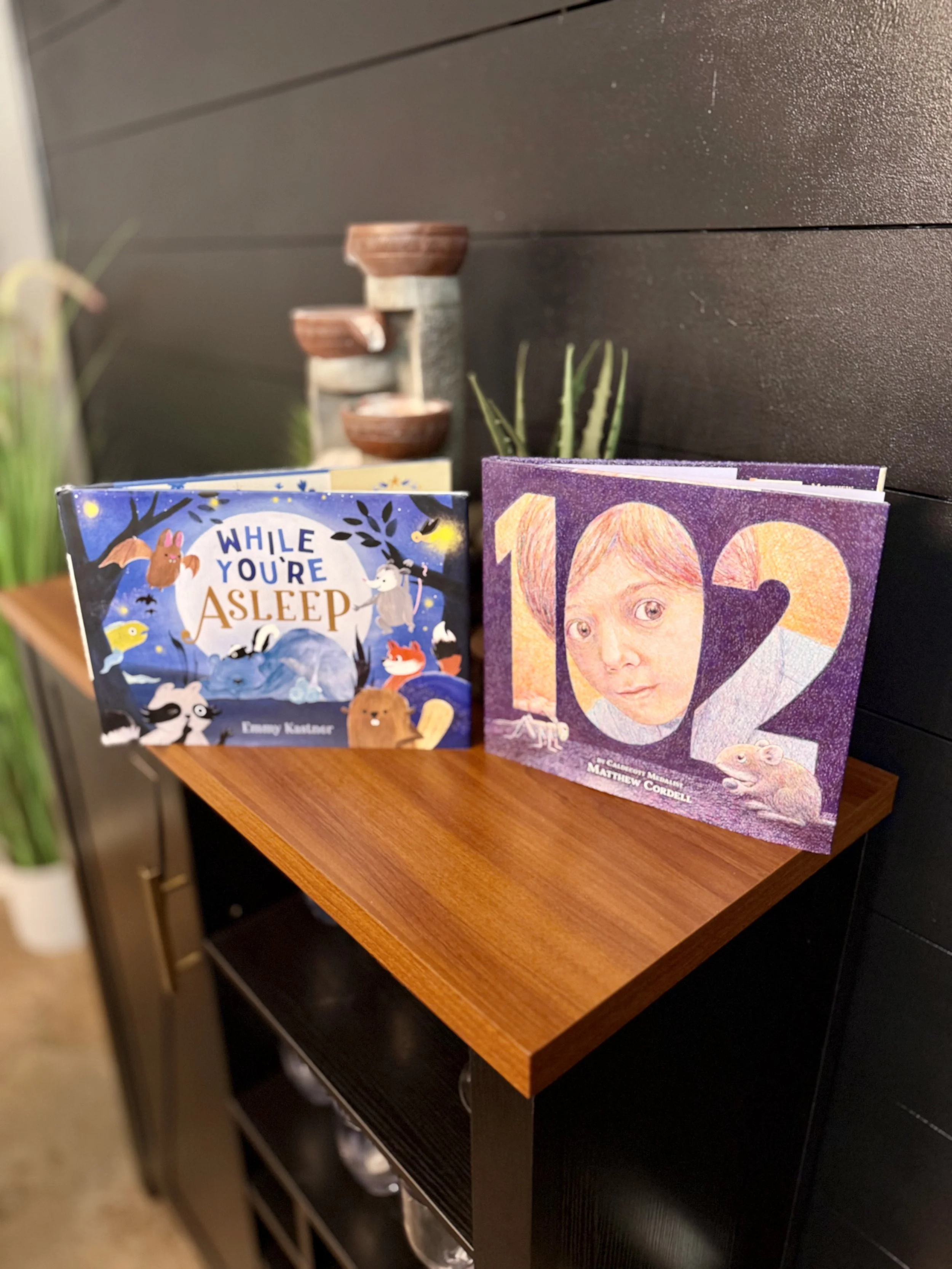
Both texts in this mentor text pairing share something important: they invite readers to think about possibilities and connections between people. Each story is set during nighttime—centered on sleeping, dreaming, and what might be happening beyond our awareness.
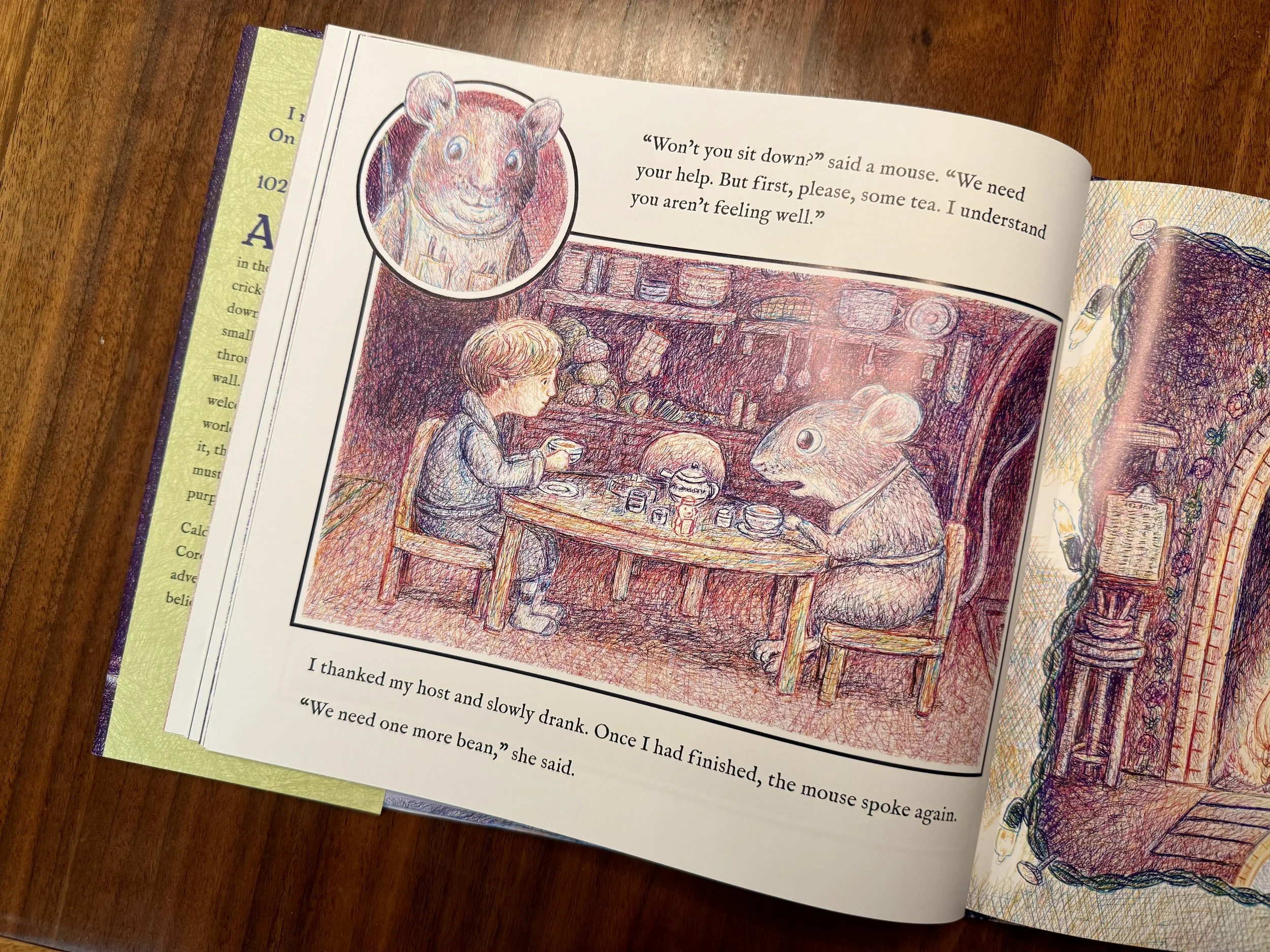
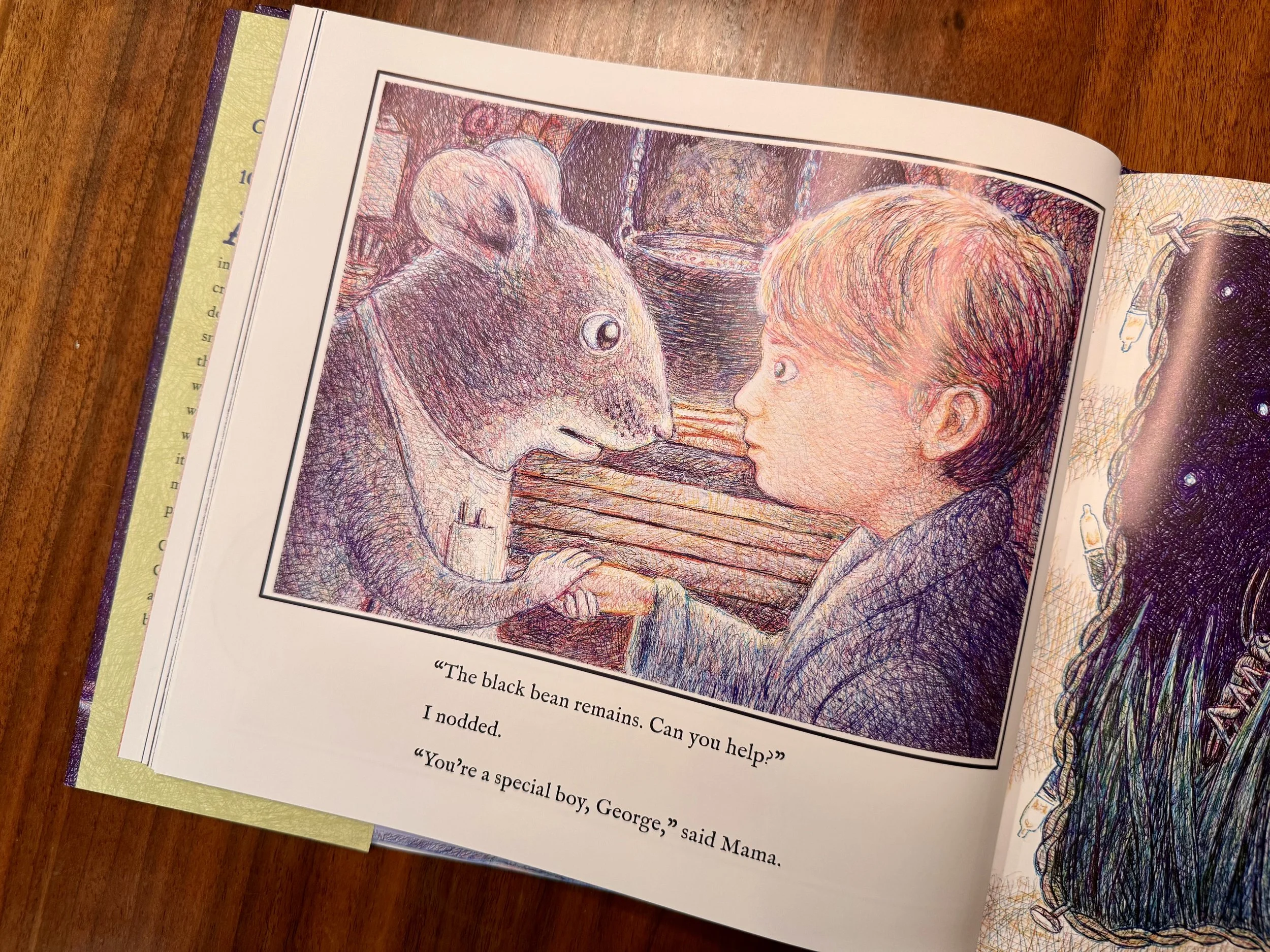
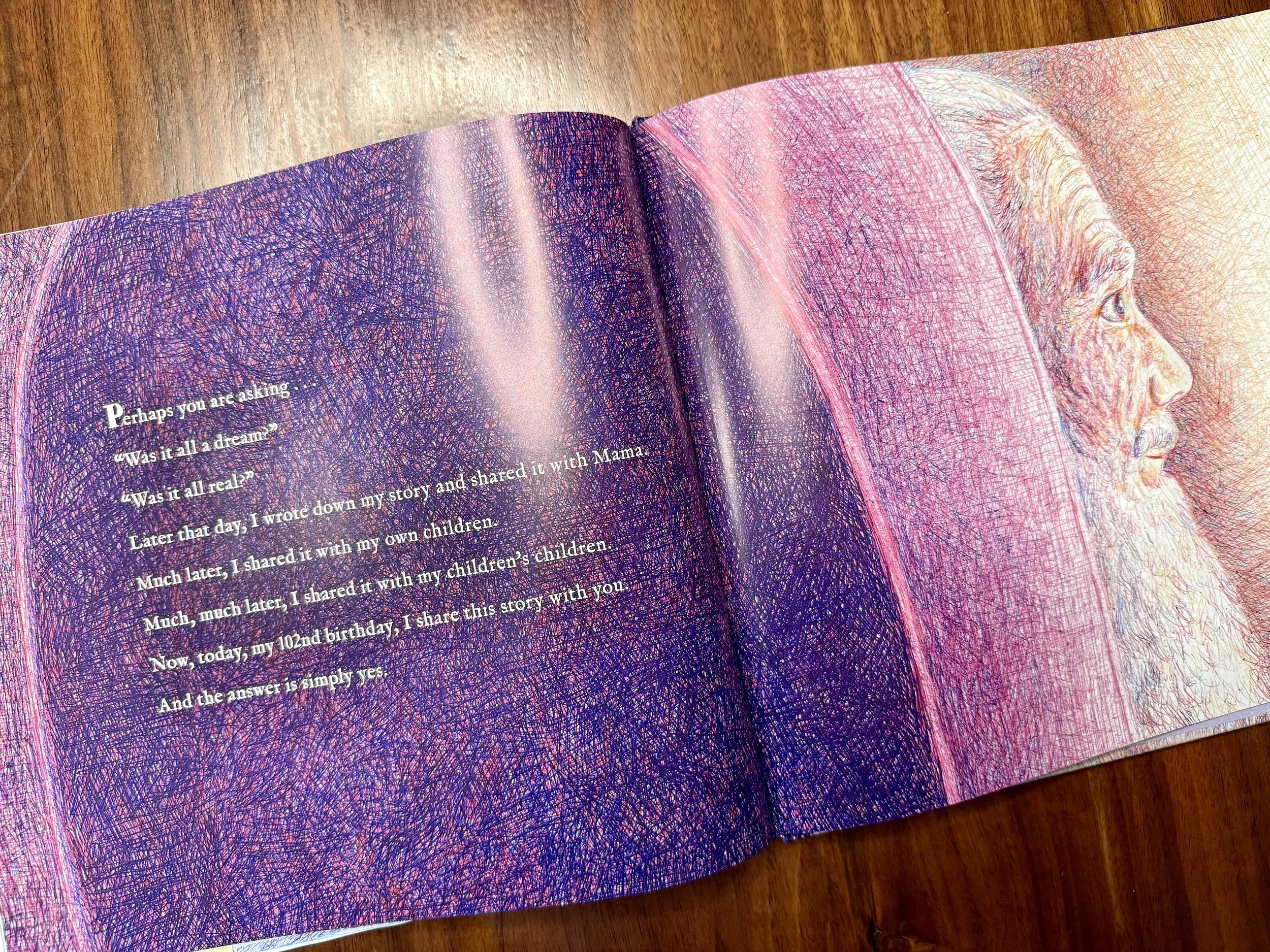
102 and While You’re Asleep both draw readers into a space of curiosity, asking us to imagine what exists just beyond what we can immediately see. Young readers will also appreciate that both authors illustrate their own stories, reinforcing the idea that storytelling is both written and visual. (102, notably, was created entirely with ballpoint pen.)
In 102, Matthew Cordell plays with the idea that even when we count and feel certain, there is always more—more to notice, more to discover, and more just outside our awareness. In While You’re Asleep, Emmy Kastner explores what might be happening in the quiet hours of the night, suggesting that the world continues in small, surprising ways while we rest.
Together, these books remind us that the world is full of hidden moments, unseen details, and endless possibility.
For writers, they offer an invitation to explore imagination, curiosity, and the idea that there is always more beneath the surface.
In this post, you can find…
Tips for using this book as a mentor text for writing
Ways to use the book with preschoolers, grades k-5, grades 6-8, grades 9-12, and for disciplinary literacy projects
Journaling prompts linked to the book (including nature journaling)
One grammar exercise to access grammar instruction
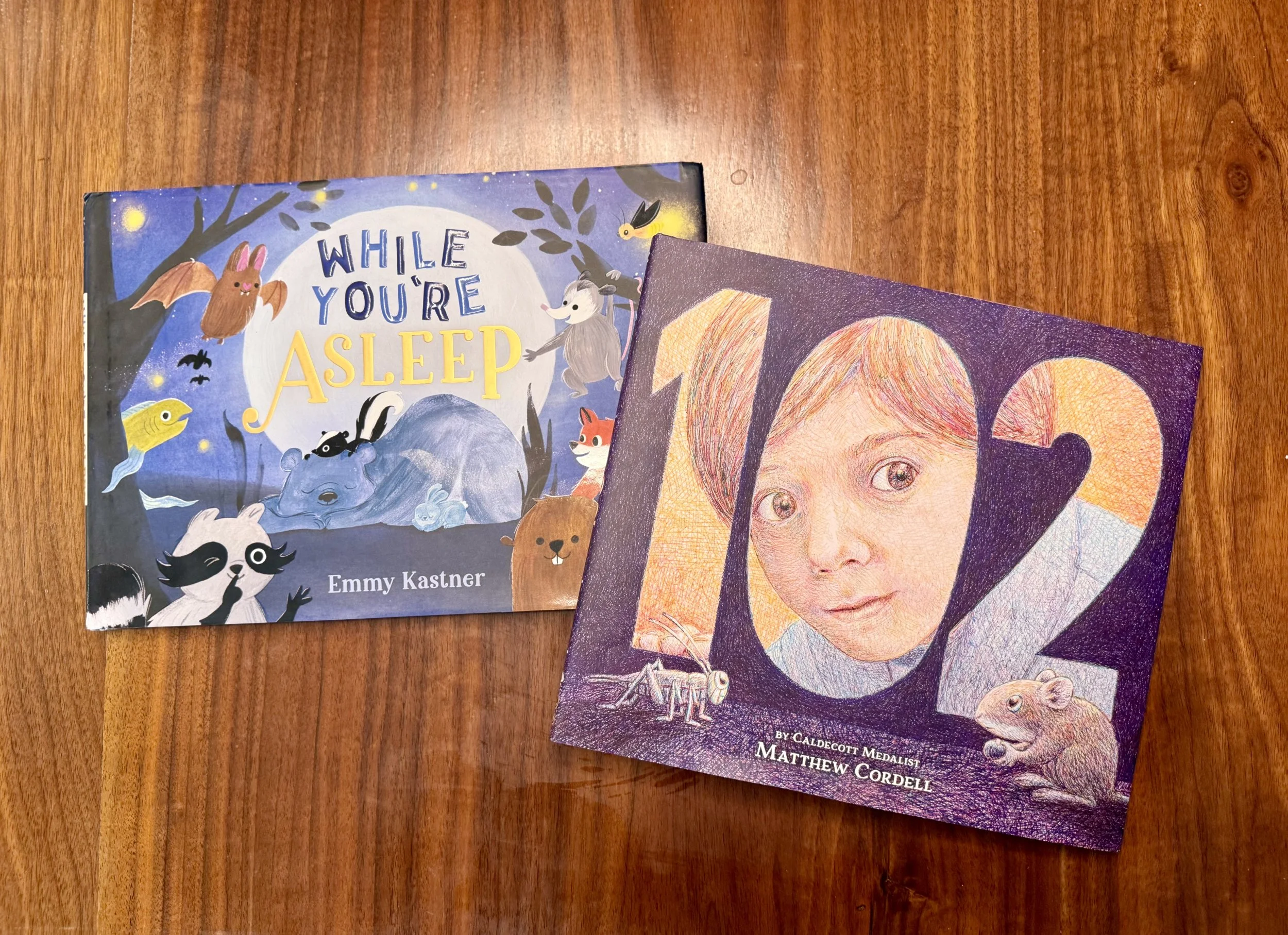
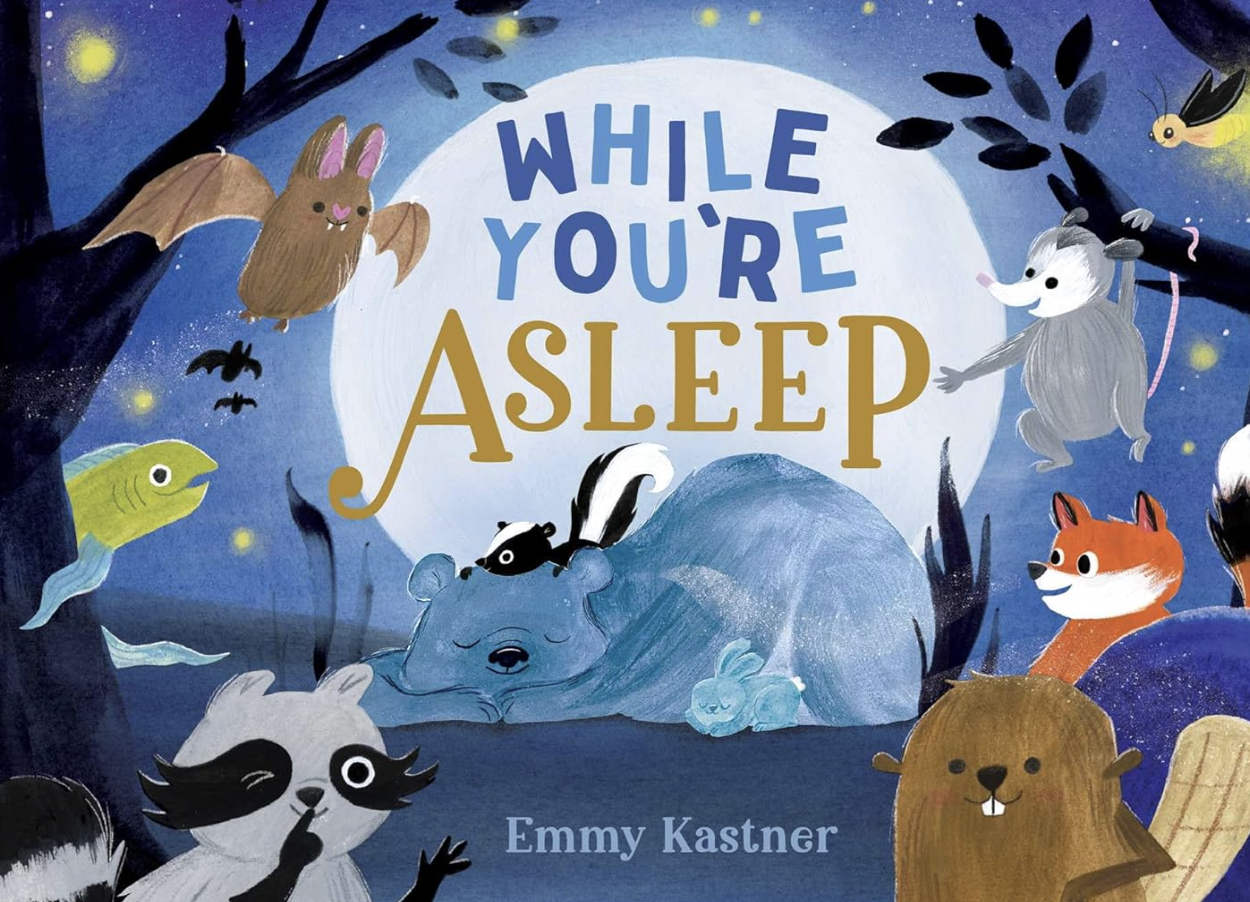
While You’re Asleep by Emmy Kastner
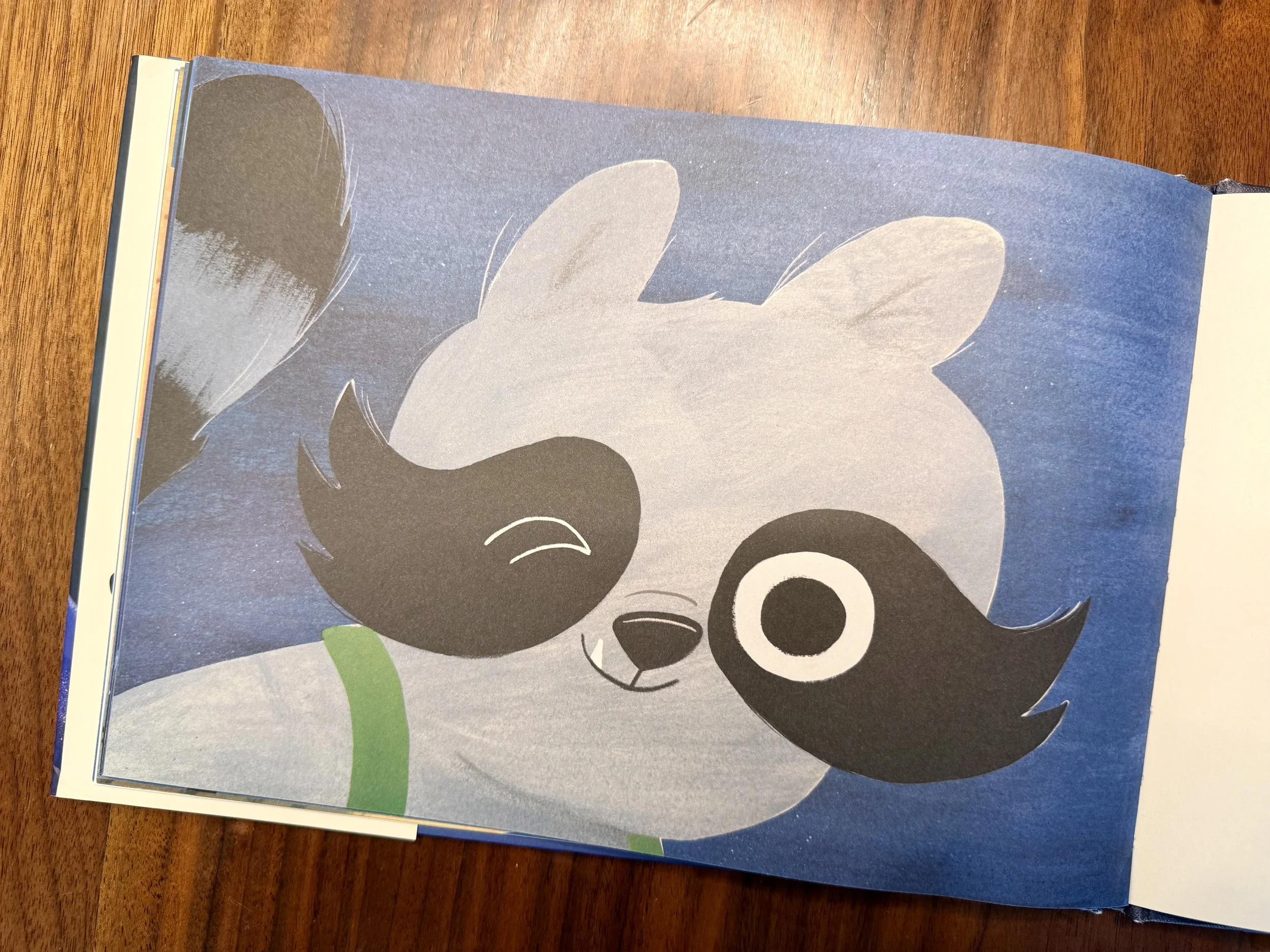
In the spirit of The Panda Problem, this “funny, raucous, and ultimately satisfying” (Mac Barnett, New York Times bestselling author) meta picture book shows what both diurnal and nocturnal animals get up to while you’re asleep.
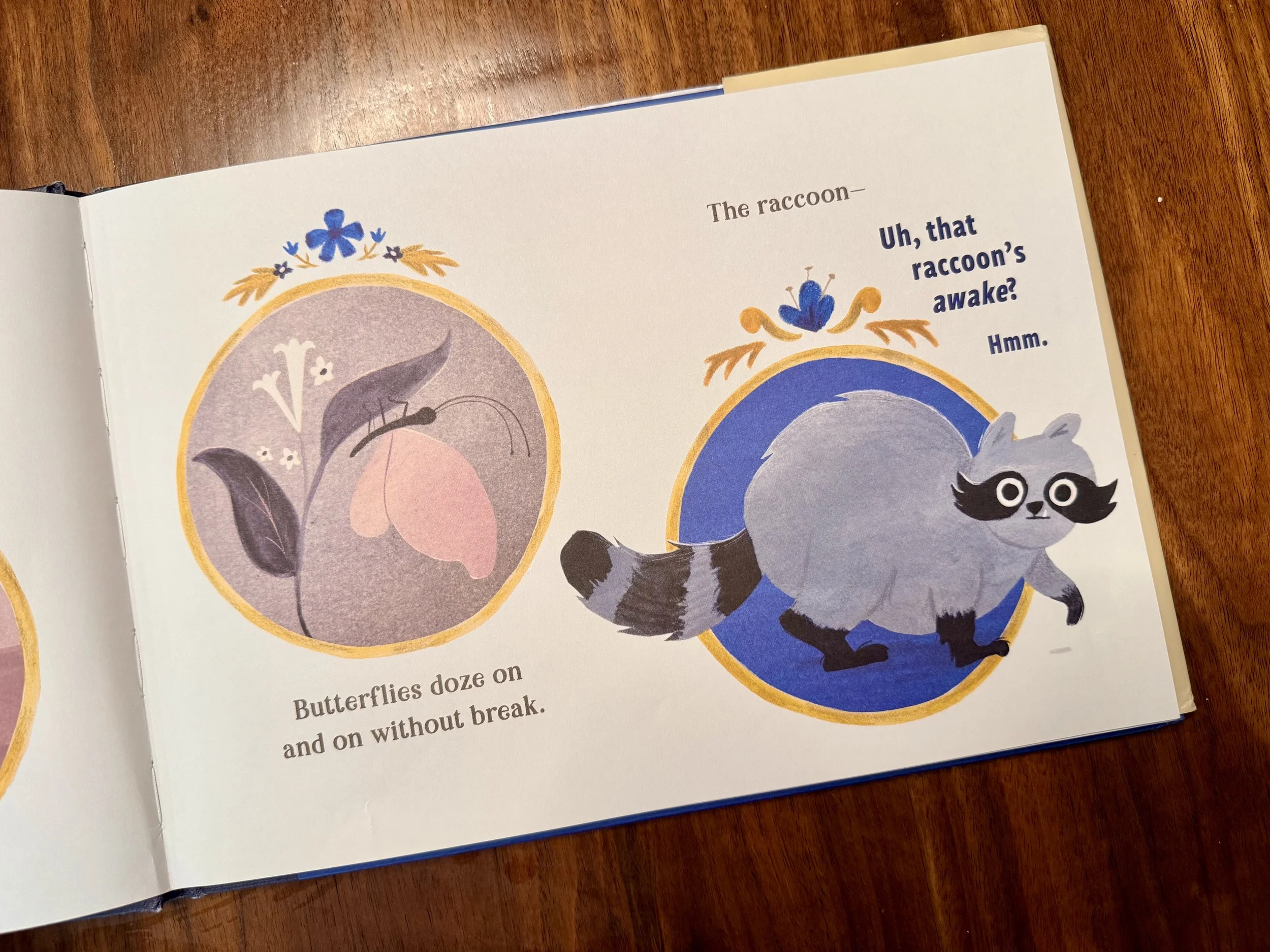
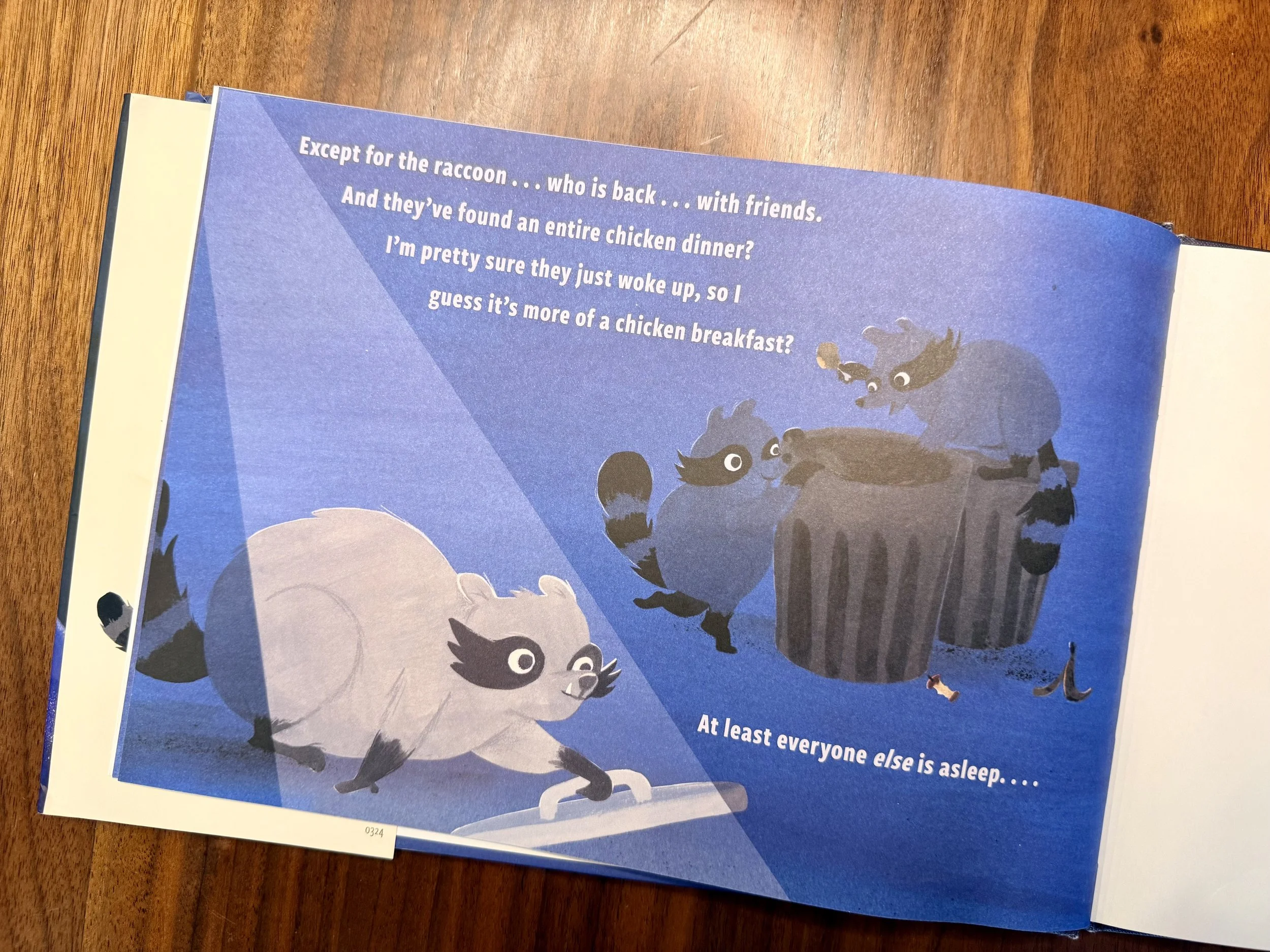
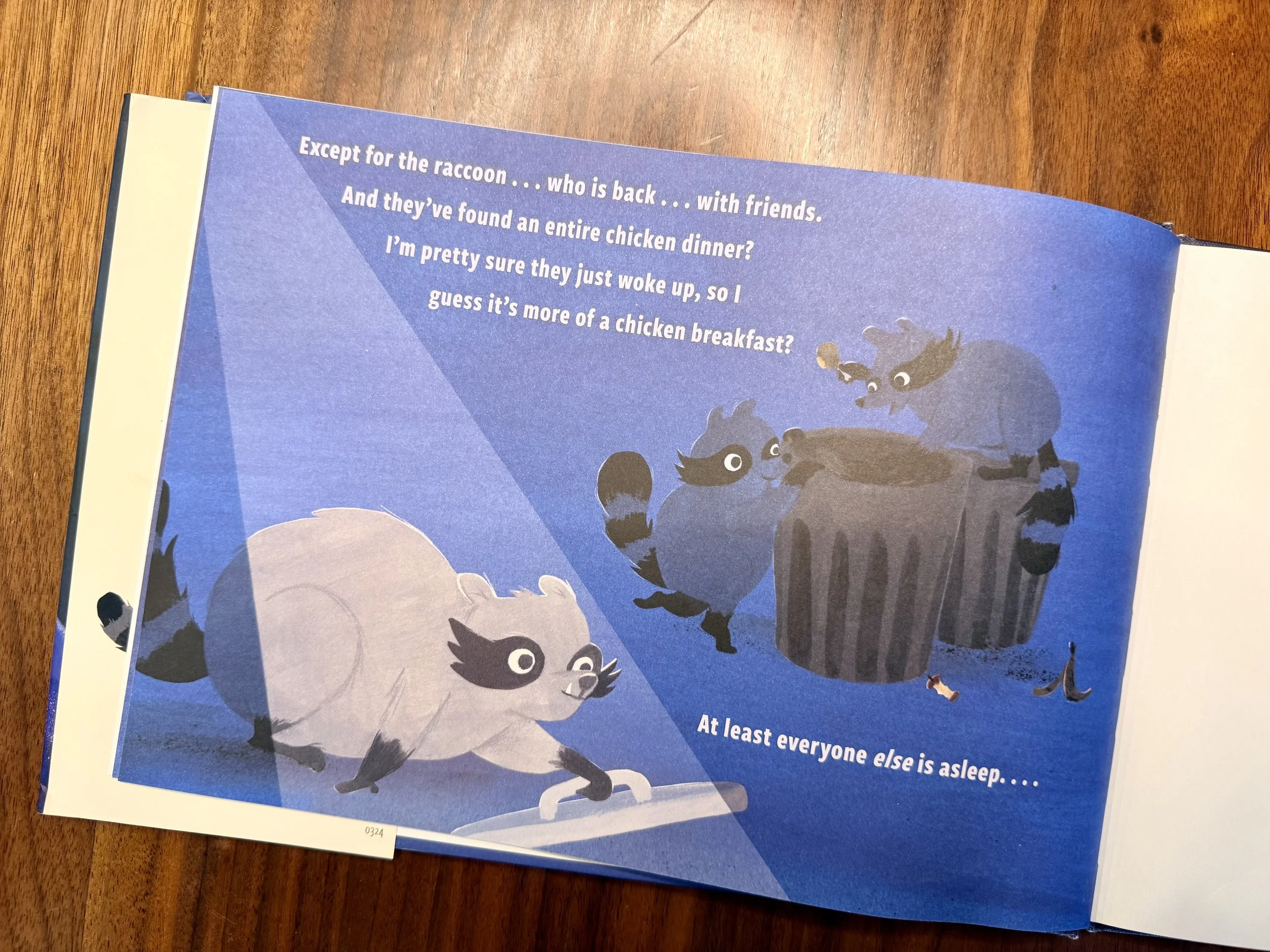
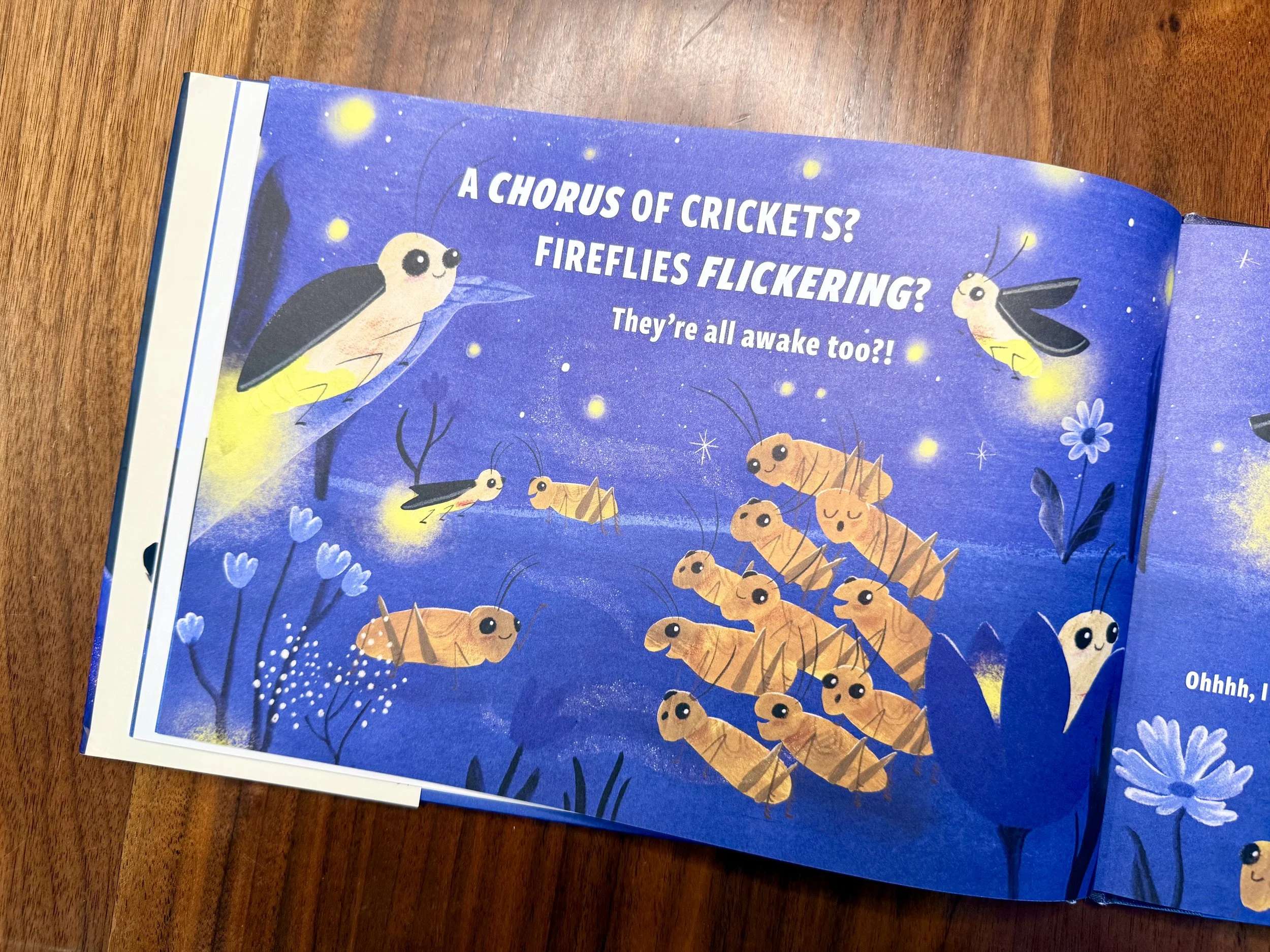
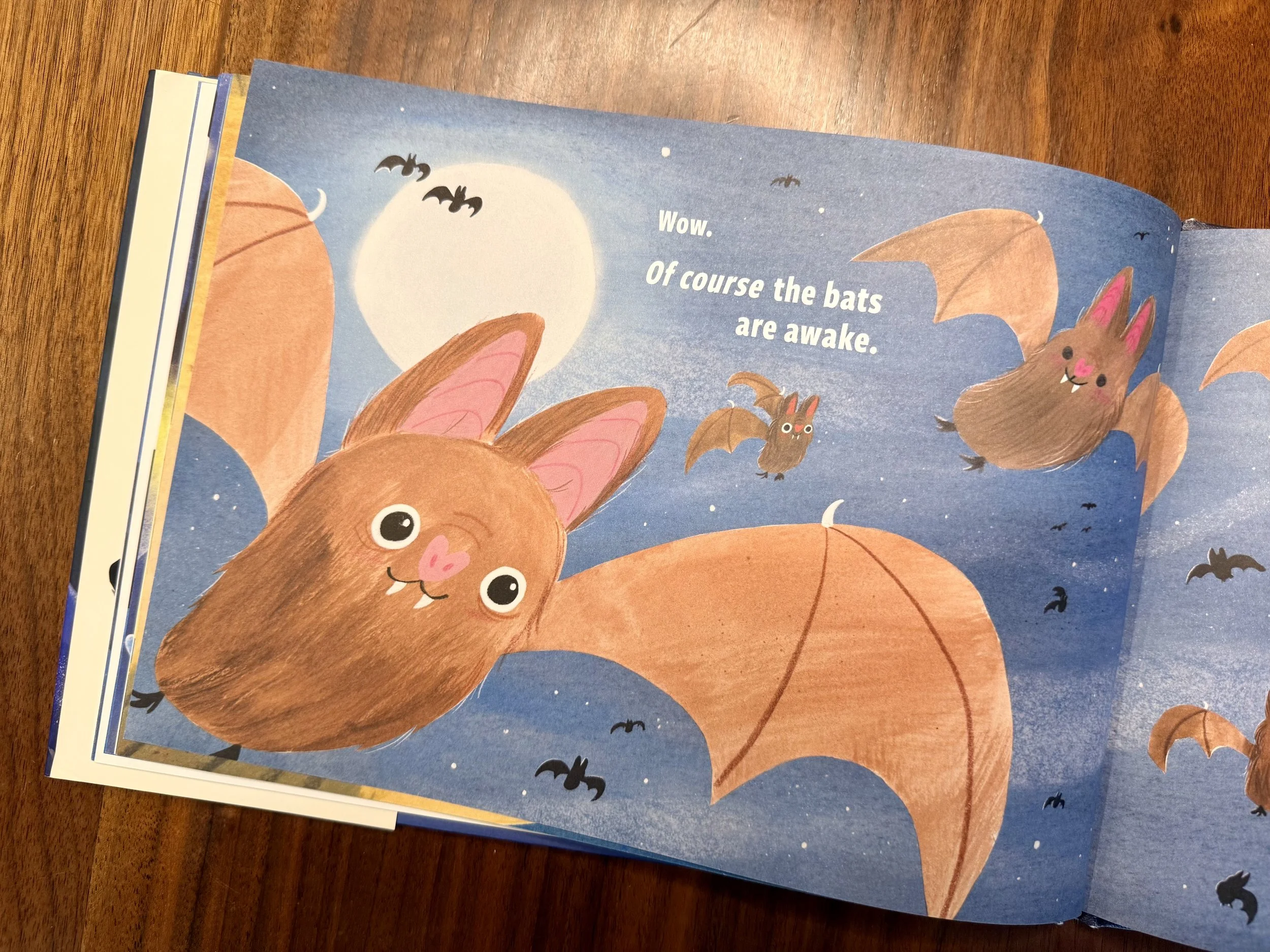
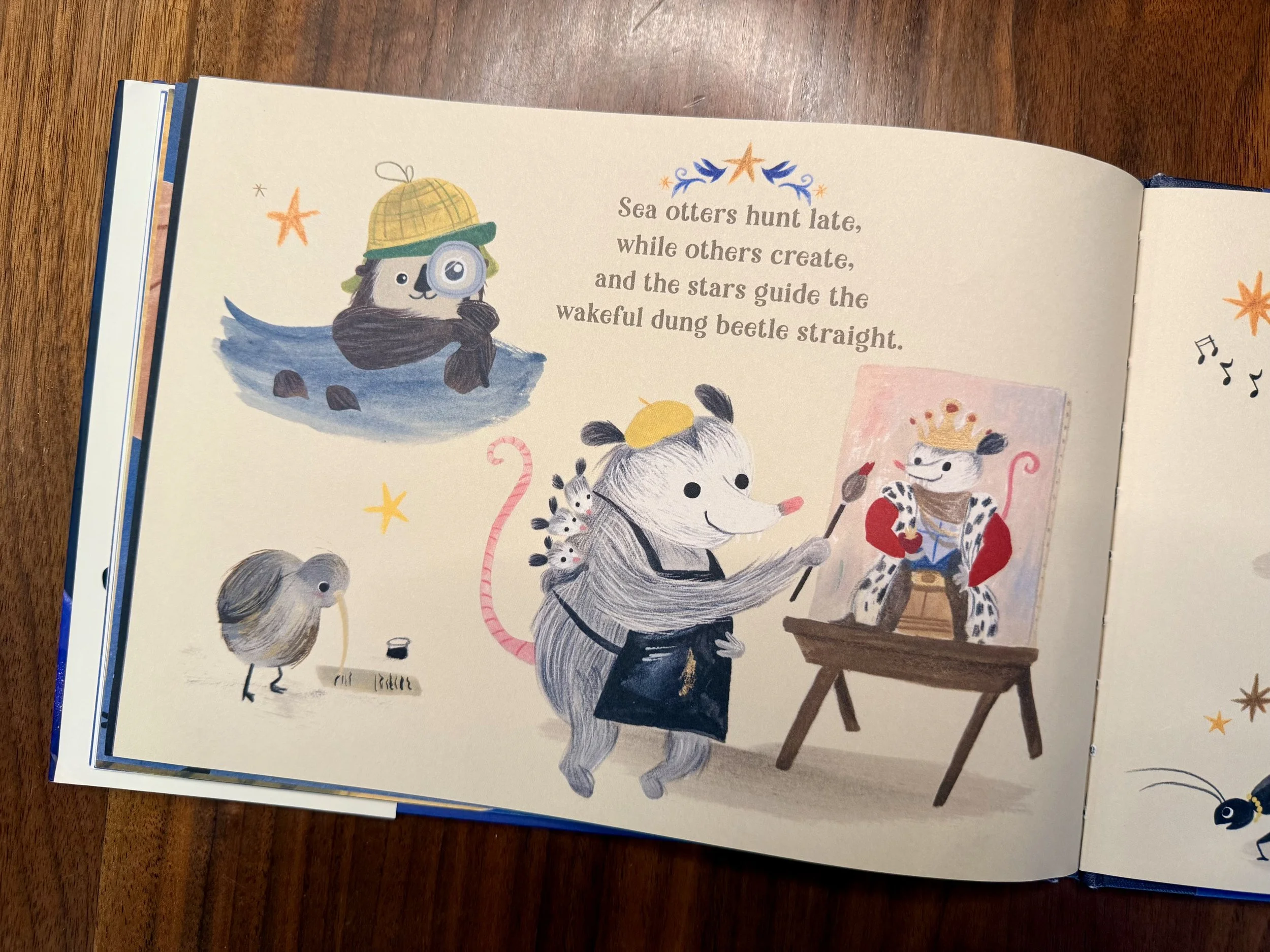
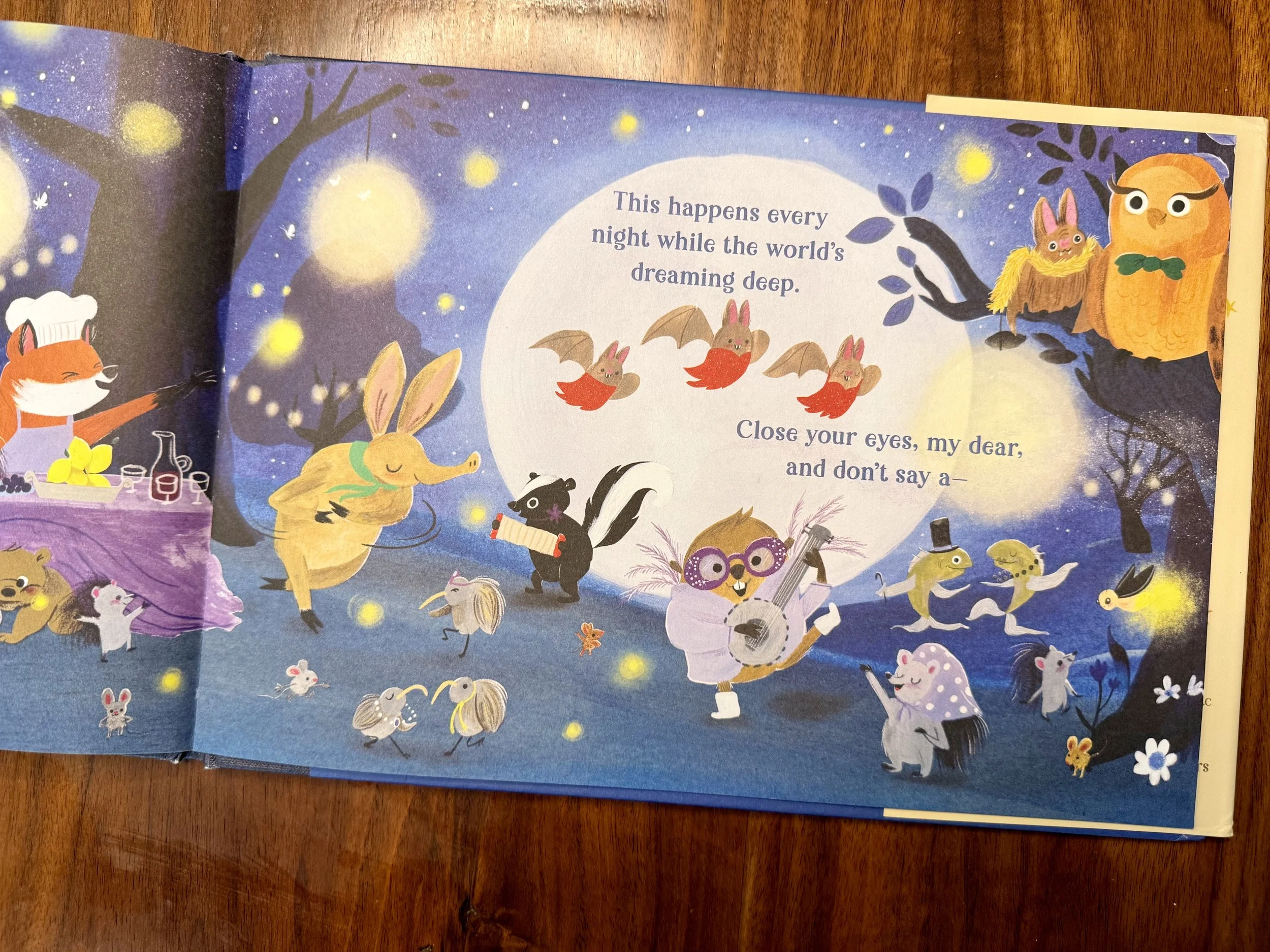
When the Earth slowly spins and light fades away, animals hunker down for bedtime. But the narrator’s cozy story is interrupted by fireflies flickering, raccoons enjoying chicken dinners, and foxes planning a nighttime festival. The narrator eventually gives up trying to get the nocturnal creatures to go to sleep like everyone else as skunks, beavers, and more gather for a midnight soiree you’d have to see to believe…if you weren’t asleep!
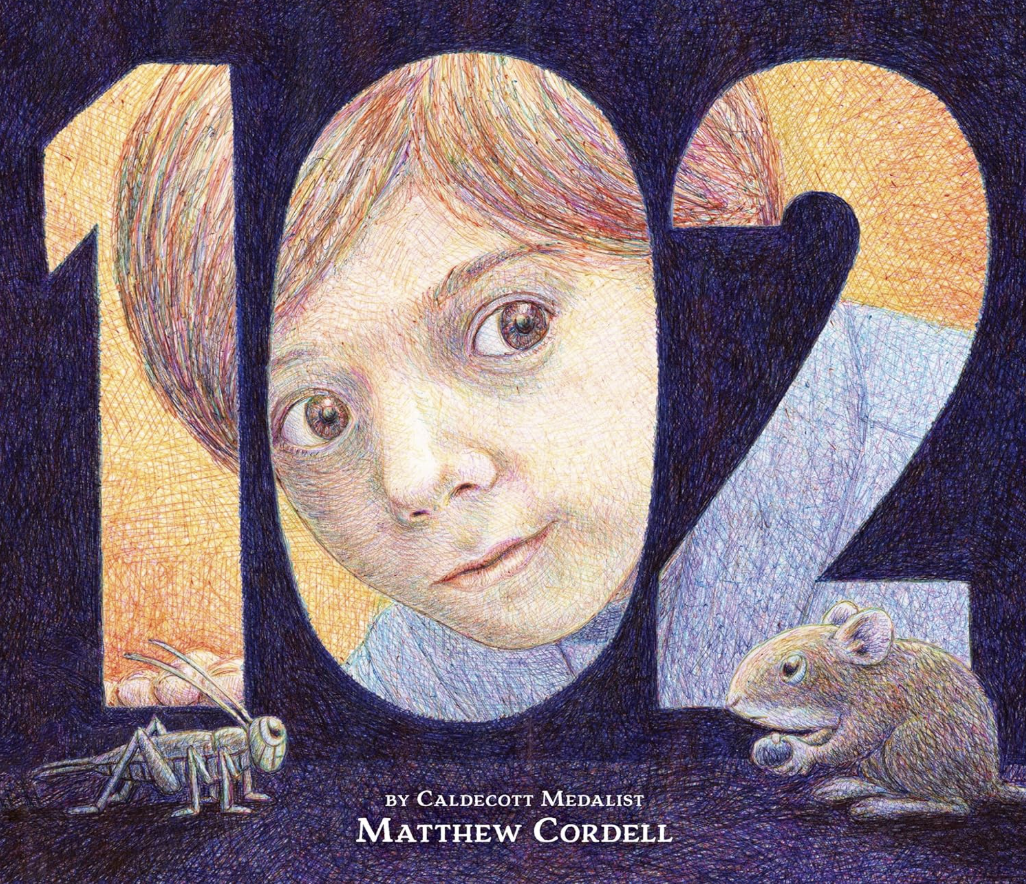
102 by Matthew Cordell
From Caldecott Medalist Matthew Cordell comes a cozy, magical nighttime adventure, where a child discovers the mysterious, miniature world beyond his bedroom walls.
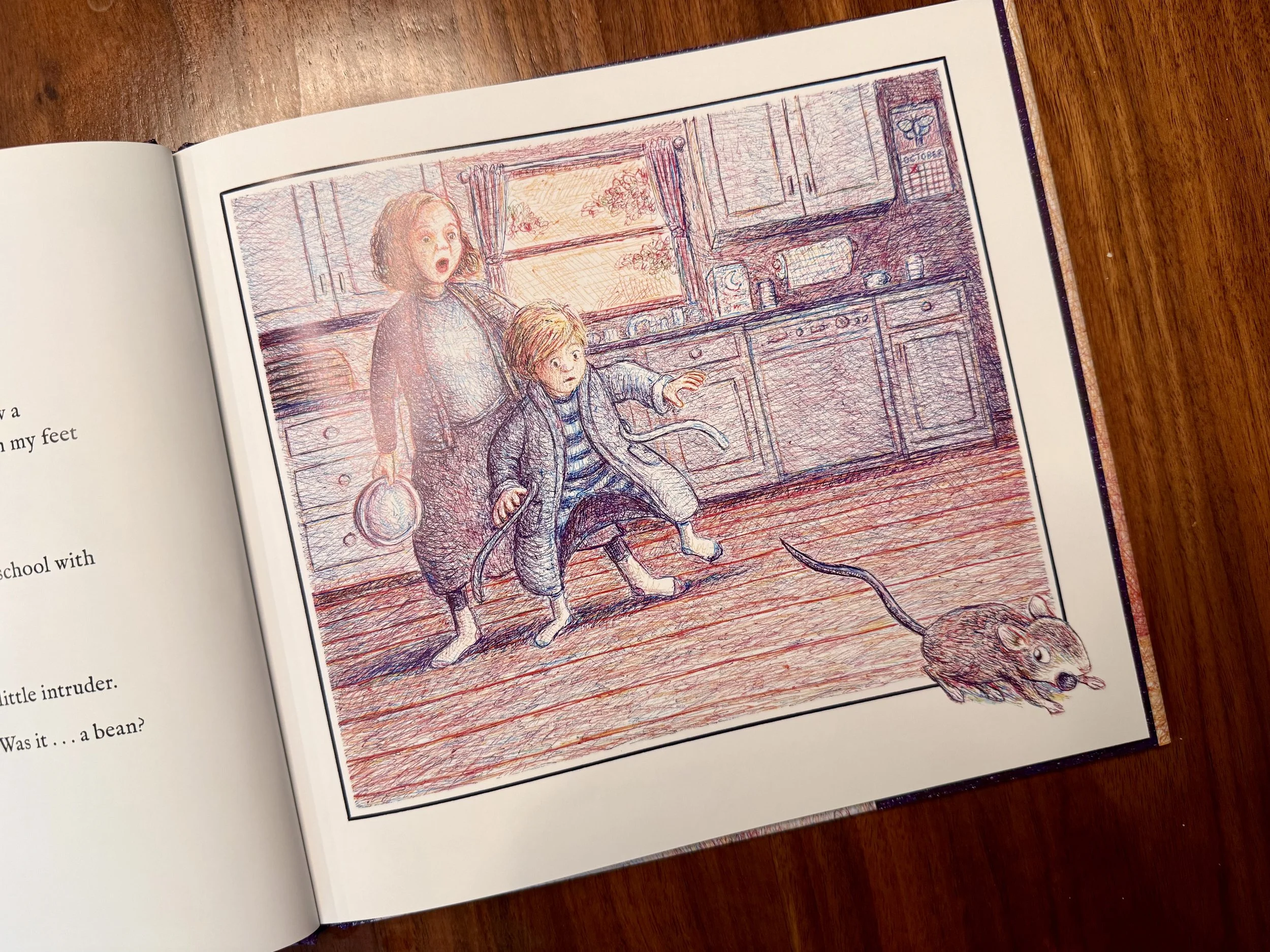
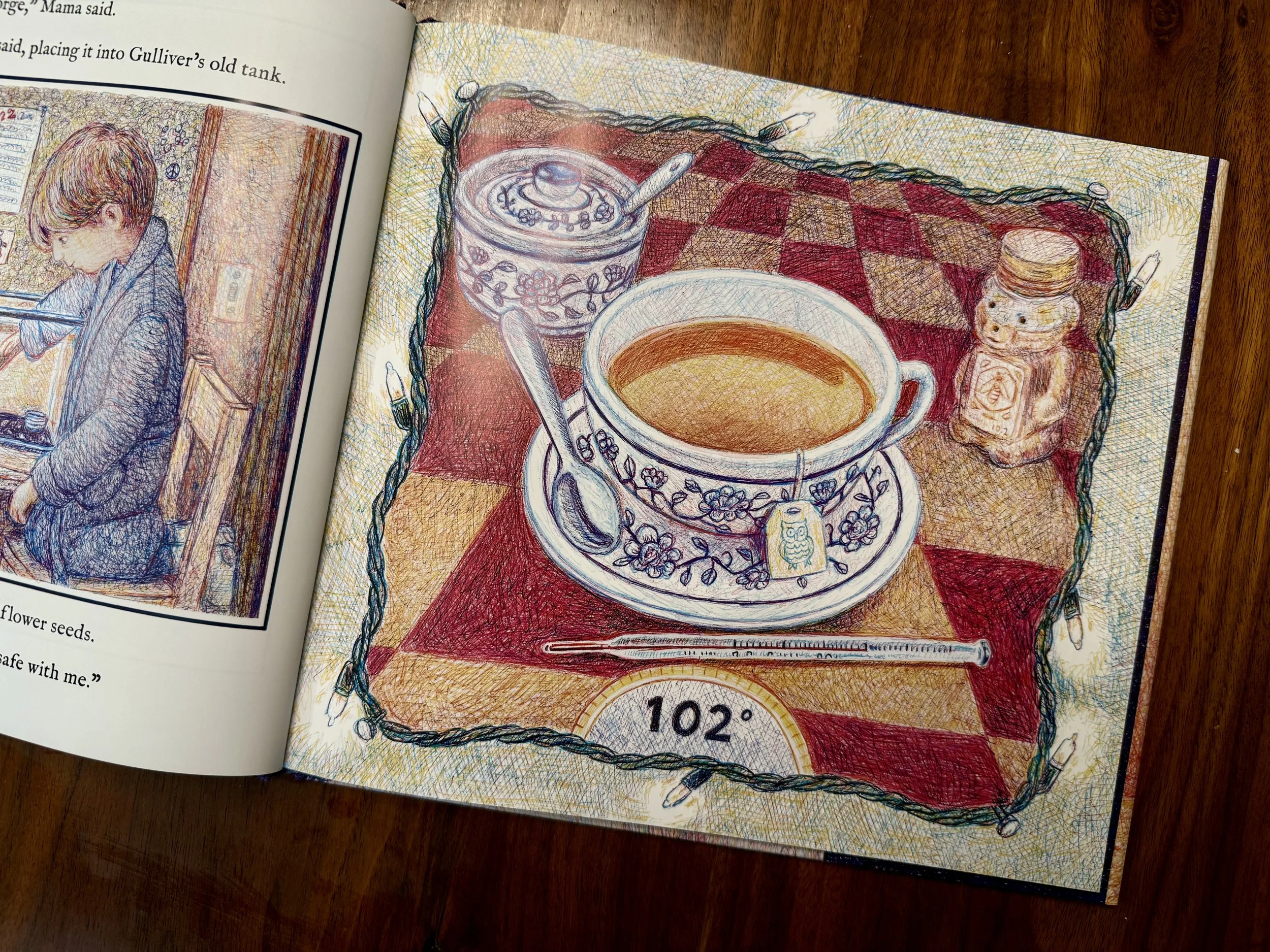
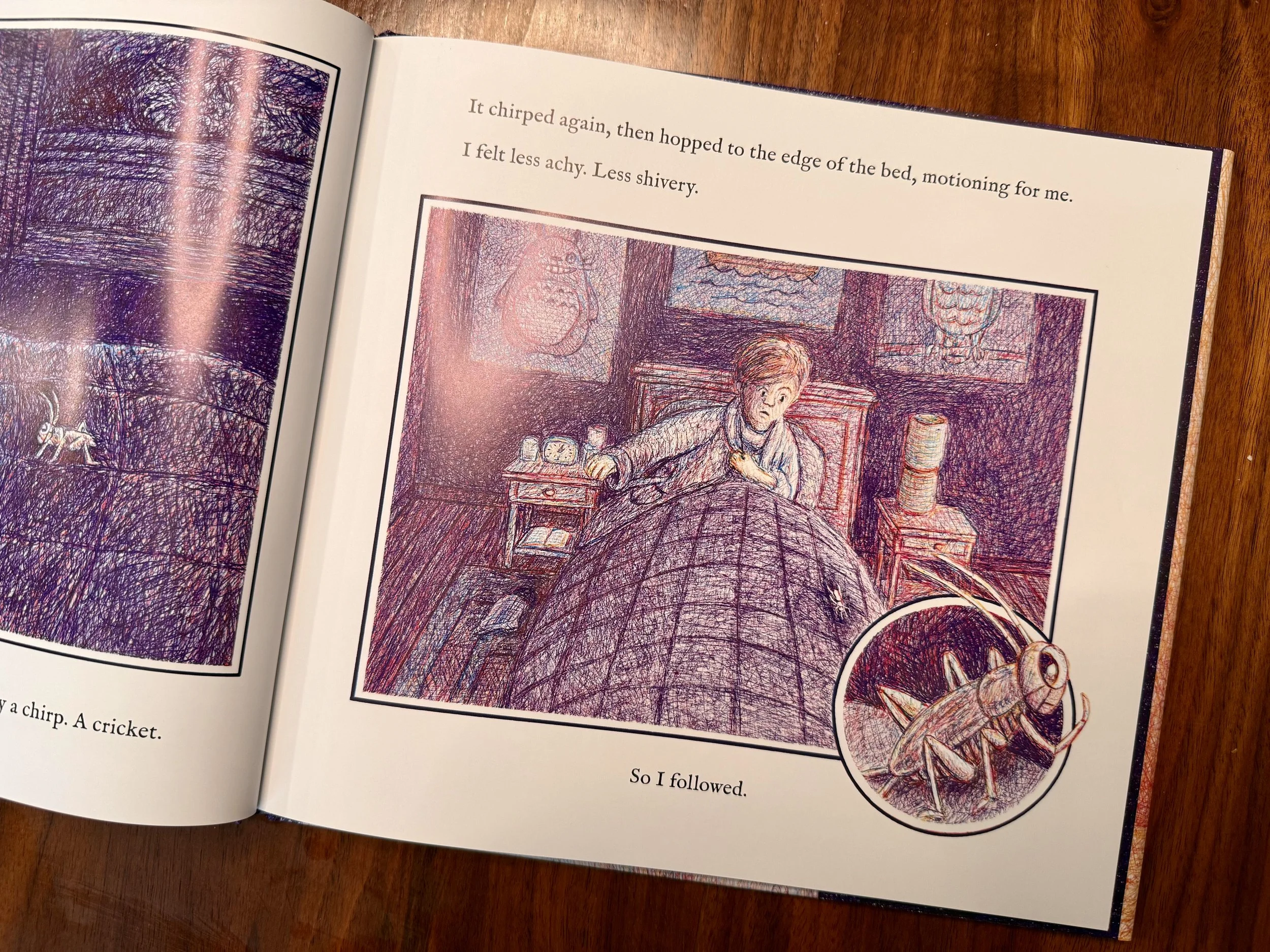
Sent home from school earlier in the day with a fever, George awakens in the middle of the night to discover a cricket beckoning him on an adventure and soon finds himself shrunken down in size. He follows the insect guide through a crack in his bedroom wall, through the moonlit yard, and into the home of a family of mice at the base of an oak tree. There, in a tiny, cozy kitchen, George discovers the meaning of his quest: he must help the Mama mouse complete her special 102-bean soup for her sick young son.
Delightfully sweet as it is fantastic, 102 seamlessly explores the values of curiosity, kindness, and generosity. The simple yet profound conclusion shares a clever wink with readers, encouraging them to believe the unbelievable.
Using 102 and While You’re Asleep as Mentor Texts
These mentor texts are ideal for teaching imaginative thinking, inference, and expanding ideas beyond the obvious.
When reading, notice how they:
Play with what is seen vs. unseen
Invite curiosity through open-ended ideas
Encourage readers to imagine beyond the page
Use simple language to suggest deeper meaning
As mentor texts, these books teach that writing can begin with a simple idea—and grow by asking: What else might be happening?
Writing Prompt: “What Else Is Happening?”
Open your notebook and begin with this question:
What is happening right now in my neighborhood, my city, my state, my country, and the world that I cannot see?
Write about what might be happening beyond the moment in front of you.
You might write:
What is happening in another place right now
What is happening when no one is watching
What could exist just beyond what you counted or noticed
What might be happening while you are resting, waiting, or focused elsewhere
Try to mirror the books’ style—curious, imaginative, and open-ended.
Sample Openings
I thought I saw everything around me, but maybe in my neighborhood…
While I am sitting here, somewhere else in my city…
I counted what I could see, but in another place, there might be…
Even though it feels quiet here, somewhere in the world…
Right now, beyond where I am, something is happening…
In my neighborhood it feels still, but in another part of the country…
While I am here, something in the sky above or far beyond…
I can only see what is in front of me, but somewhere else…
This type of writing builds imagination, inference, and flexible thinking.
Why This Works
Writers often get stuck thinking they need a big idea. These books show that writing can grow from a simple question: What else is there?
When students learn to imagine beyond what is directly visible, they:
Expand their thinking
Develop creativity and curiosity
Strengthen descriptive and narrative writing
Become more engaged in the writing process
👉 Try it today: Write for five minutes starting with “What else might be happening…”
For Educators: Bringing 102 and While You’re Asleep into the Classroom
Preschool Literacy Connections
Young learners naturally imagine beyond what they see.
Ask: “What do you think is happening right now somewhere else?”
Draw and dictate imagined scenes
Count objects, then imagine what is missing or unseen
Grades K–5
Students begin to expand ideas through imagination.
Write about what happens while they sleep
Imagine “one more” beyond what is counted
Create stories based on unseen events
Grades 6–8
Students explore inference and possibility.
Quickwrite: “What might exist beyond what we know?”
Write short imaginative paragraphs
Expand writing by adding layers of possibility
Grades 9–12
Writers develop deeper thinking about perspective and unseen experiences.
Reflect on what is unseen in society or daily life
Write speculative or reflective pieces
Explore themes of perception and awareness
Disciplinary Literacy Connections
Both of these texts extend across content areas:
Science: Explore unseen processes (ecosystems, growth, cycles)
Math: Extend counting beyond visible sets
Social Studies: Consider unseen perspectives or experiences
ELA: Develop inference, imagination, and narrative thinking
Writing becomes a tool for exploring what is known and unknown.
Grammar Focus: Sentence-Level Craft
Skill Focus: Expanding Ideas with Possibility Words
Writers can grow sentences by adding words that open possibility:
maybe
might
perhaps
I wonder
Example:
The room was quiet.
→ The room was quiet, but maybe something just beyond the door was beginning to change.
Have students:
Start with a simple sentence
Add a possibility phrase
Expand the idea beyond what is known
This strengthens sentence fluency, voice, and idea development.
Nature Journaling Connection
Nature is full of unseen activity.
Try:
What is happening beneath the ground?
What is happening in the sky beyond what I can see?
What is changing slowly that I don’t notice right away?
Examples:
Beneath the soil, roots might be stretching quietly.
Beyond the clouds, something is always moving.
Even when it looks still, nature is constantly changing.
This builds observation, imagination, and deeper awareness.
Additional Prompts for Reflection and Wellness
What might be happening in my life that I haven’t noticed yet?
Where can I find wonder in ordinary moments?
What am I still learning or discovering?
What possibilities exist beyond what I can see right now?
These prompts support curiosity, reflection, and openness.
Final Thought
102 and While You’re Asleep remind us that the world is always larger than what we can immediately see.
When we invite students to imagine what exists beyond the moment, we help them become more curious thinkers and more flexible writers.
Because sometimes, the most meaningful writing begins with a simple realization: There is always more.