Nobody Hugs a Cactus: Writing About Who We Are and How We Change
Disclosure: Writing Mindset only endorses things that I’ve personally used, something similar, or come highly recommended by trusted peers. If you grab anything I mention using a referral link, I may get a small commission. However, there’s no extra cost to you. If you would like to learn more, please visit the privacy policy and disclosure page.
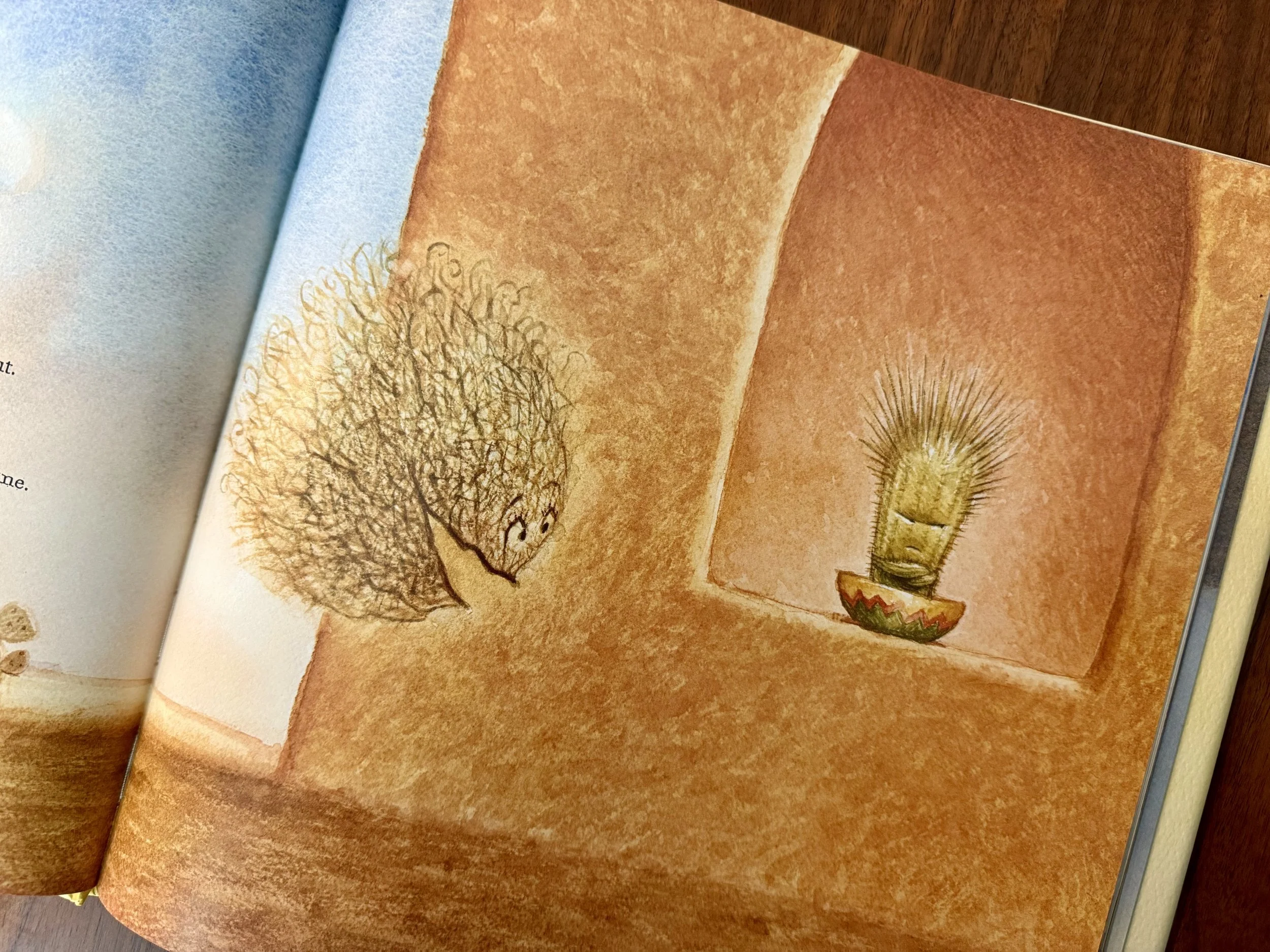
Nobody Hugs a Cactus is a humorous and heartfelt story about Hank, a cactus who prefers to be left alone—until loneliness begins to change his perspective. With expressive illustrations and minimal text, Goodrich captures the tension between independence and connection in a way that feels both playful and deeply relatable. Also, the grumpy cactus might be the cutest thing you have seen in a long while.
This story reminds us that sometimes what we think we want (space, quiet, distance) isn’t what we truly need. For writers, Nobody Hugs a Cactus becomes an entry point into exploring character, perspective, and internal change, showing how feelings shift over time and how those shifts shape our actions.
In this post, you can find…
Tips for using this book as a mentor text for writing
Ways to use the book with preschoolers, grades k-5, grades 6-8, grades 9-12, and for disciplinary literacy projects
Journaling prompts linked to the book (including nature journaling)
One grammar exercise to access grammar instruction
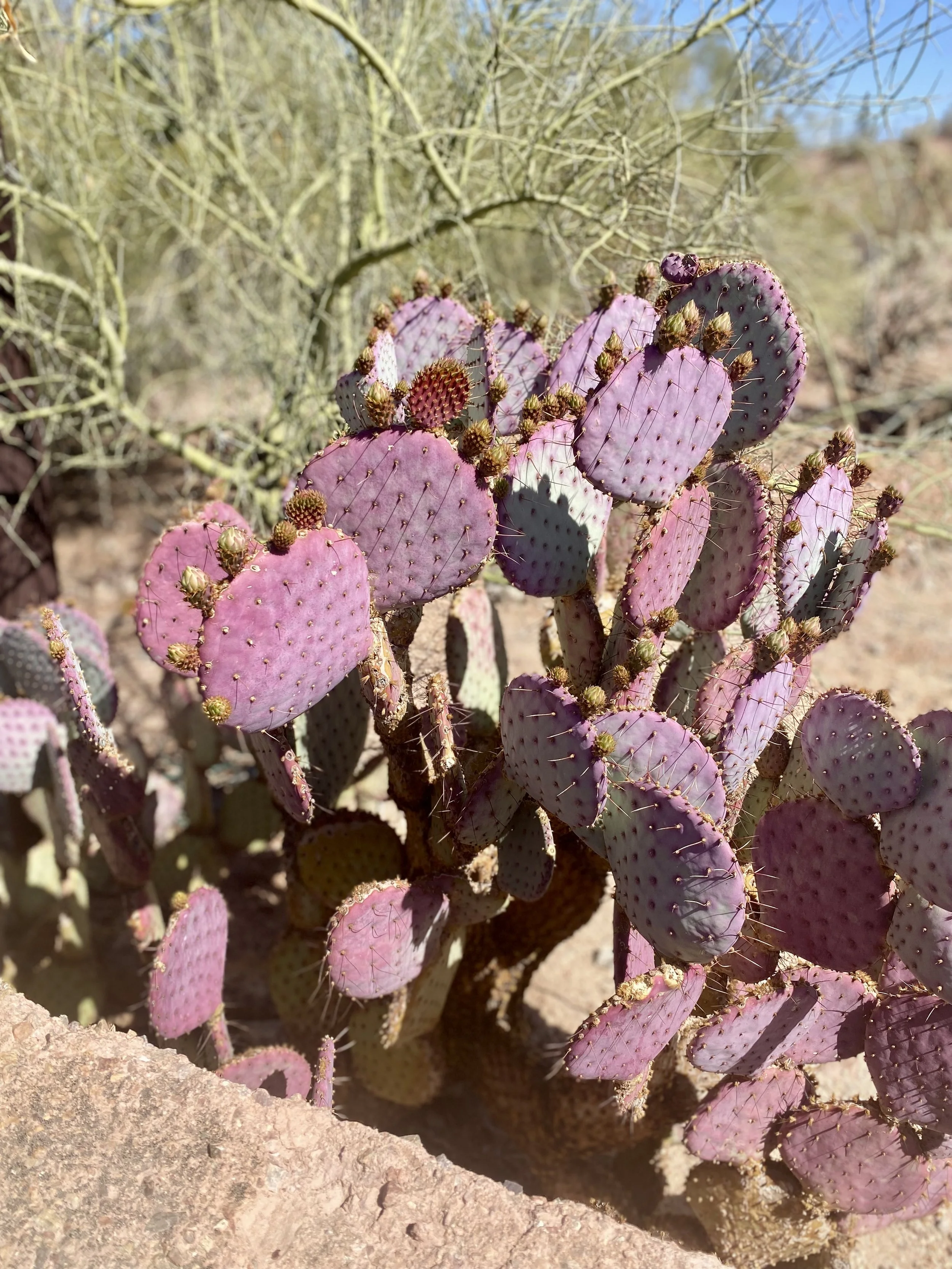
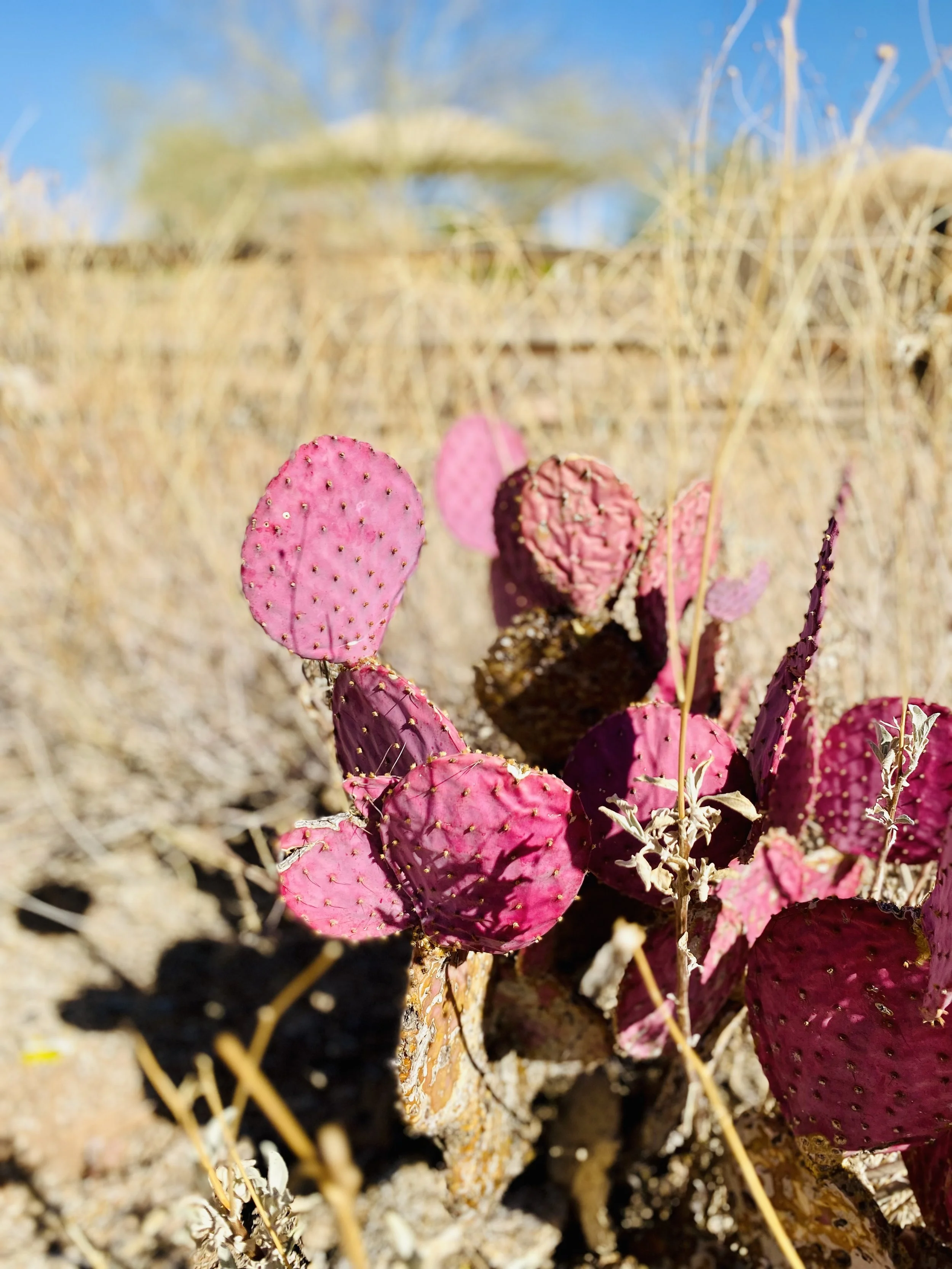
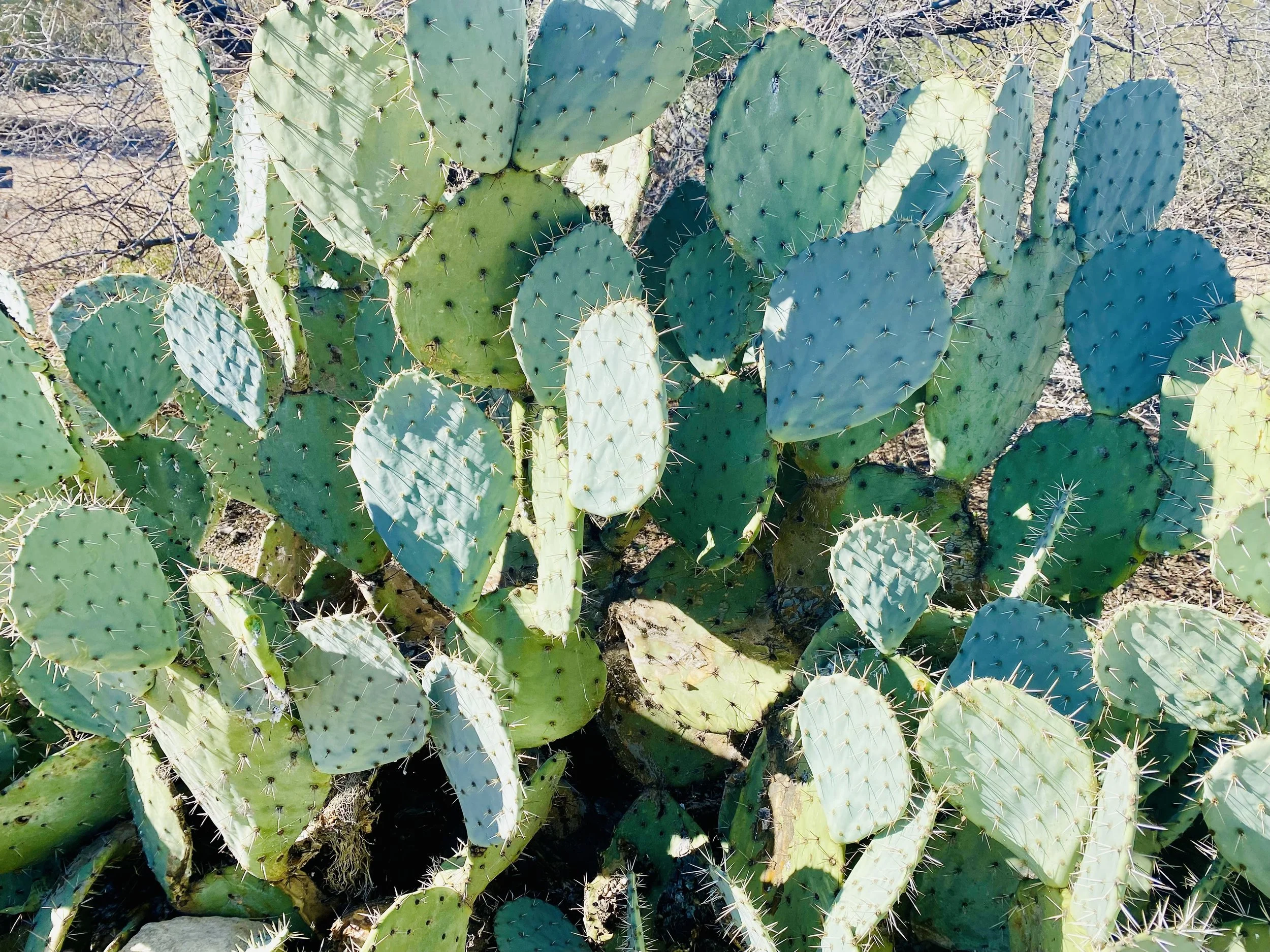
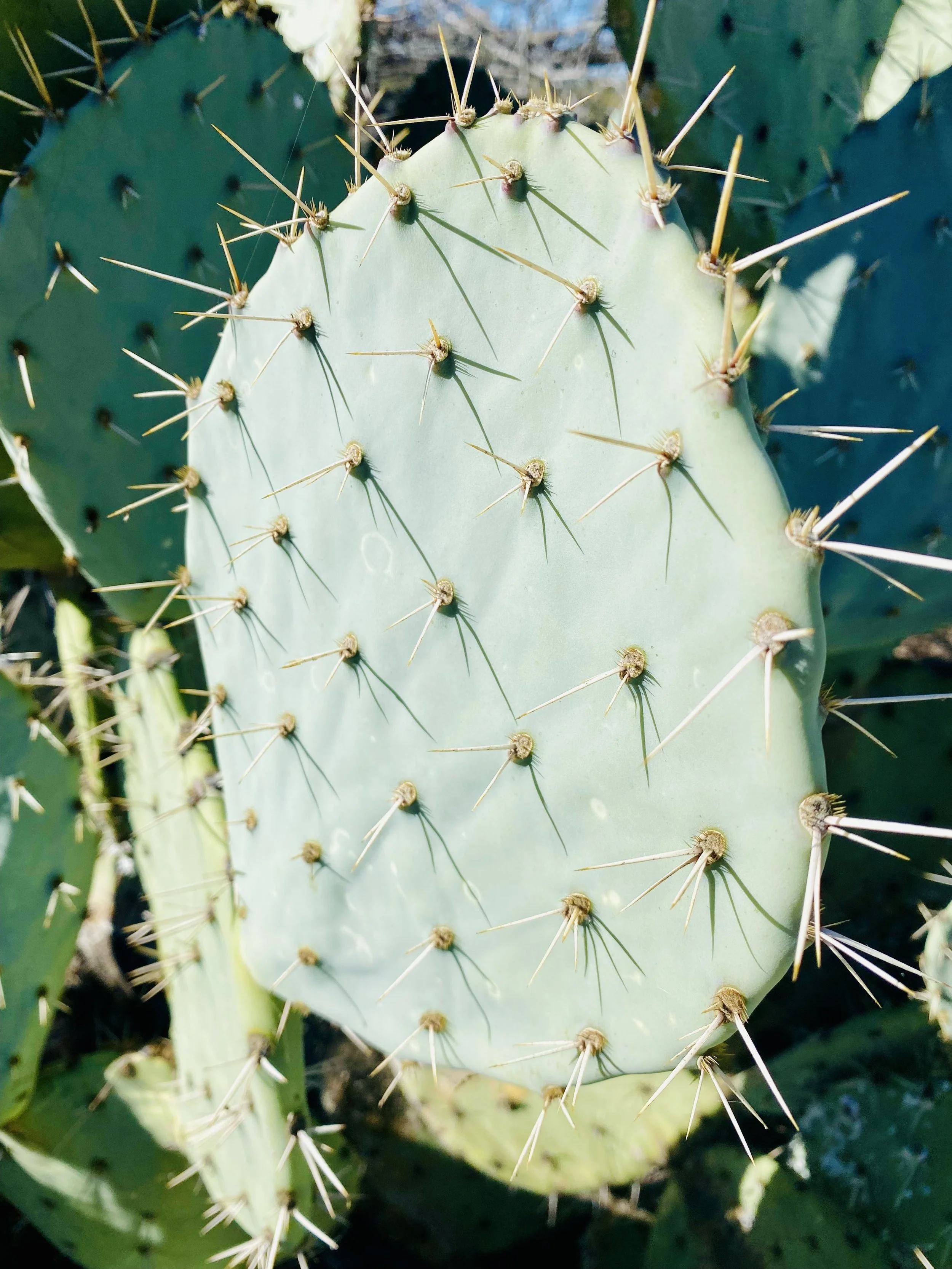
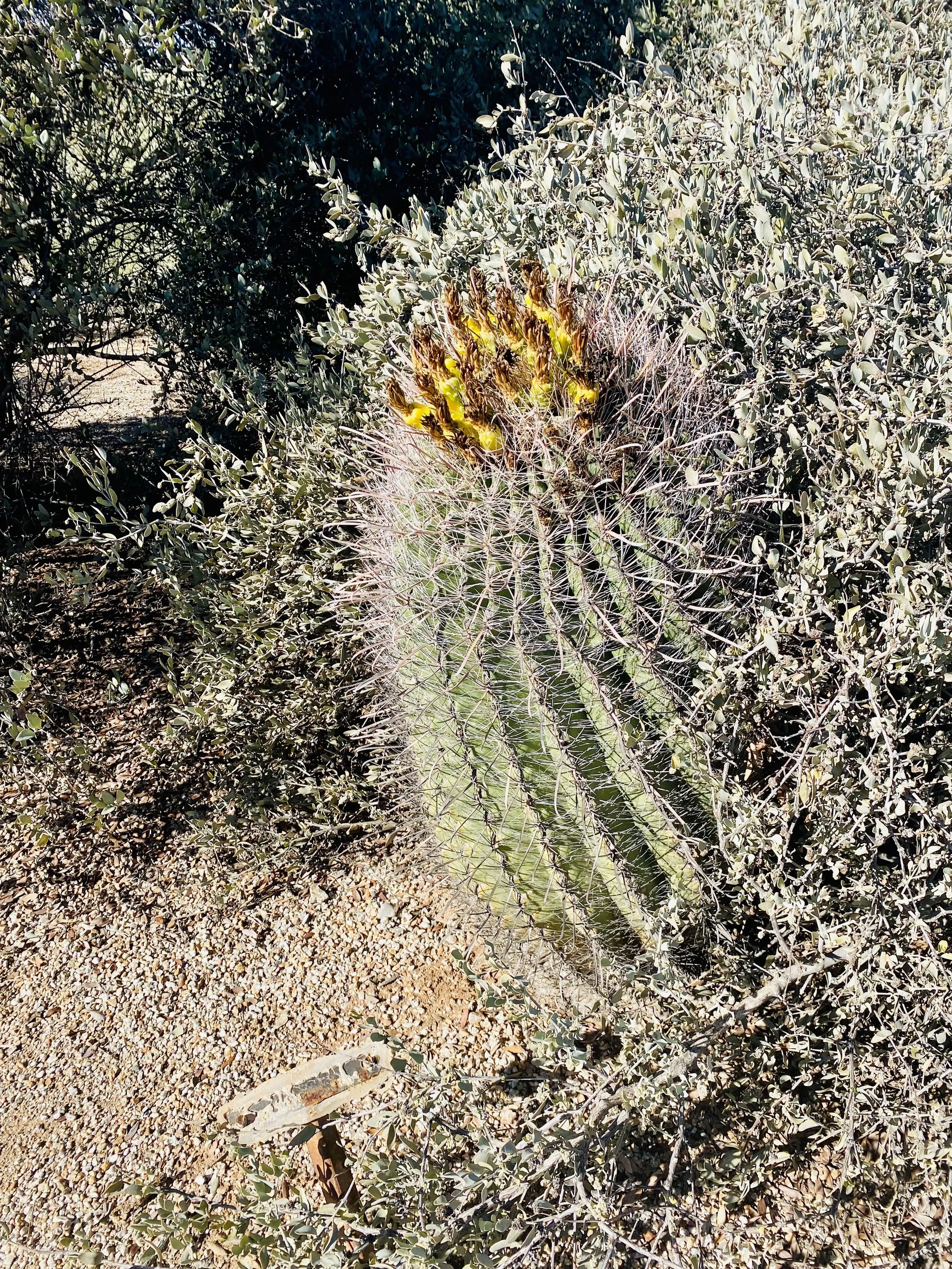
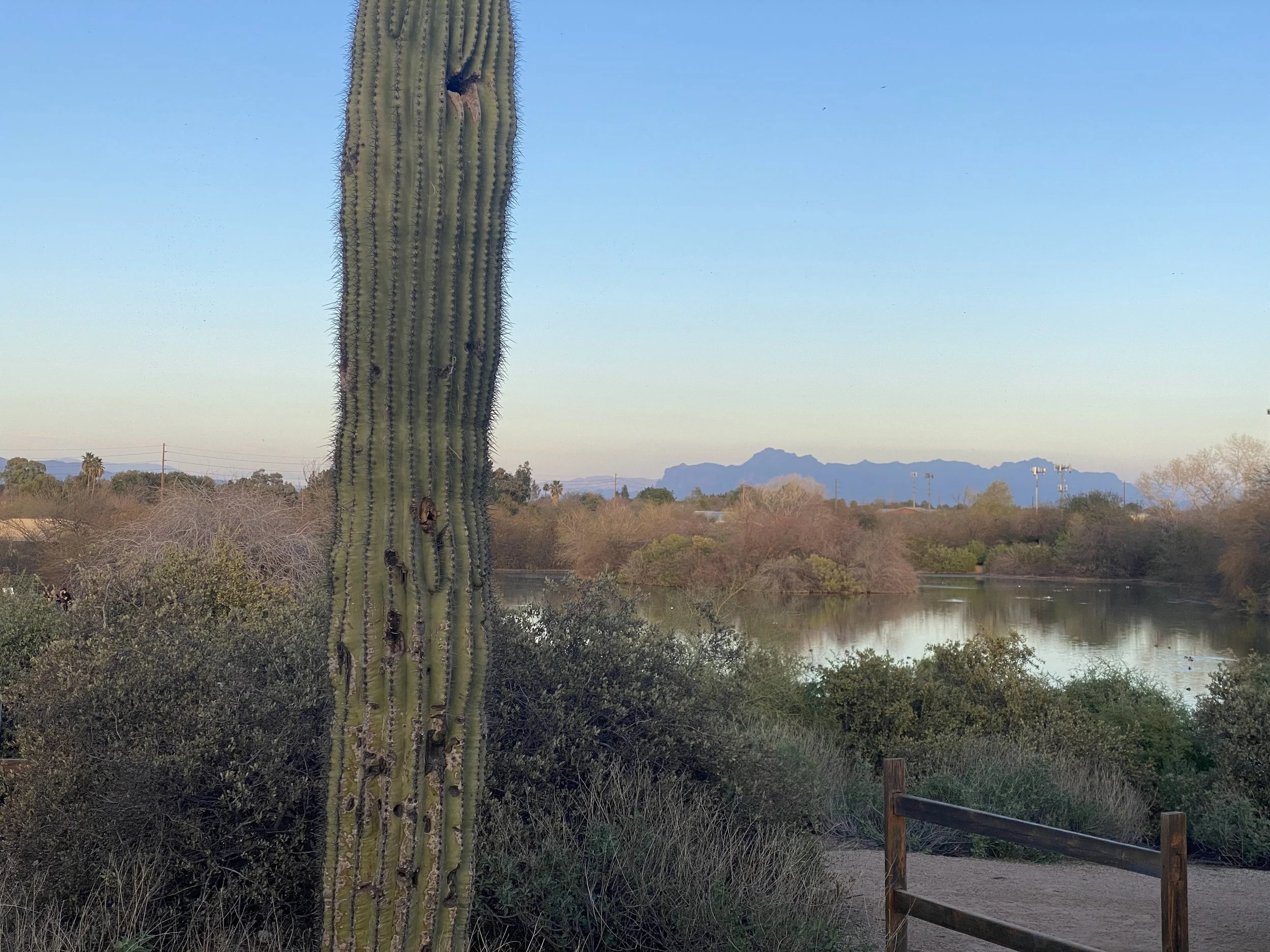
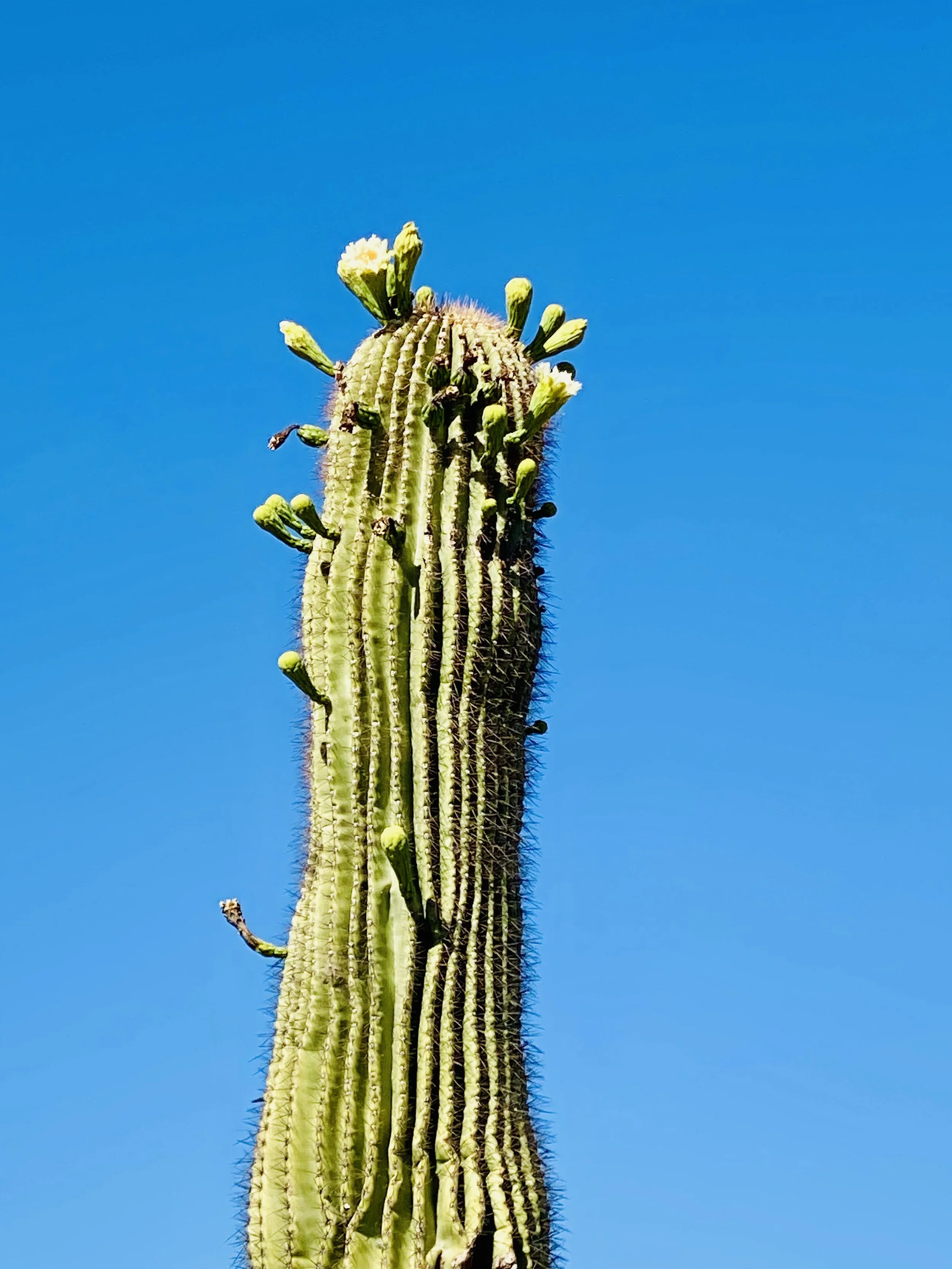
and LOTS of pictures of cacti from right here in Arizona
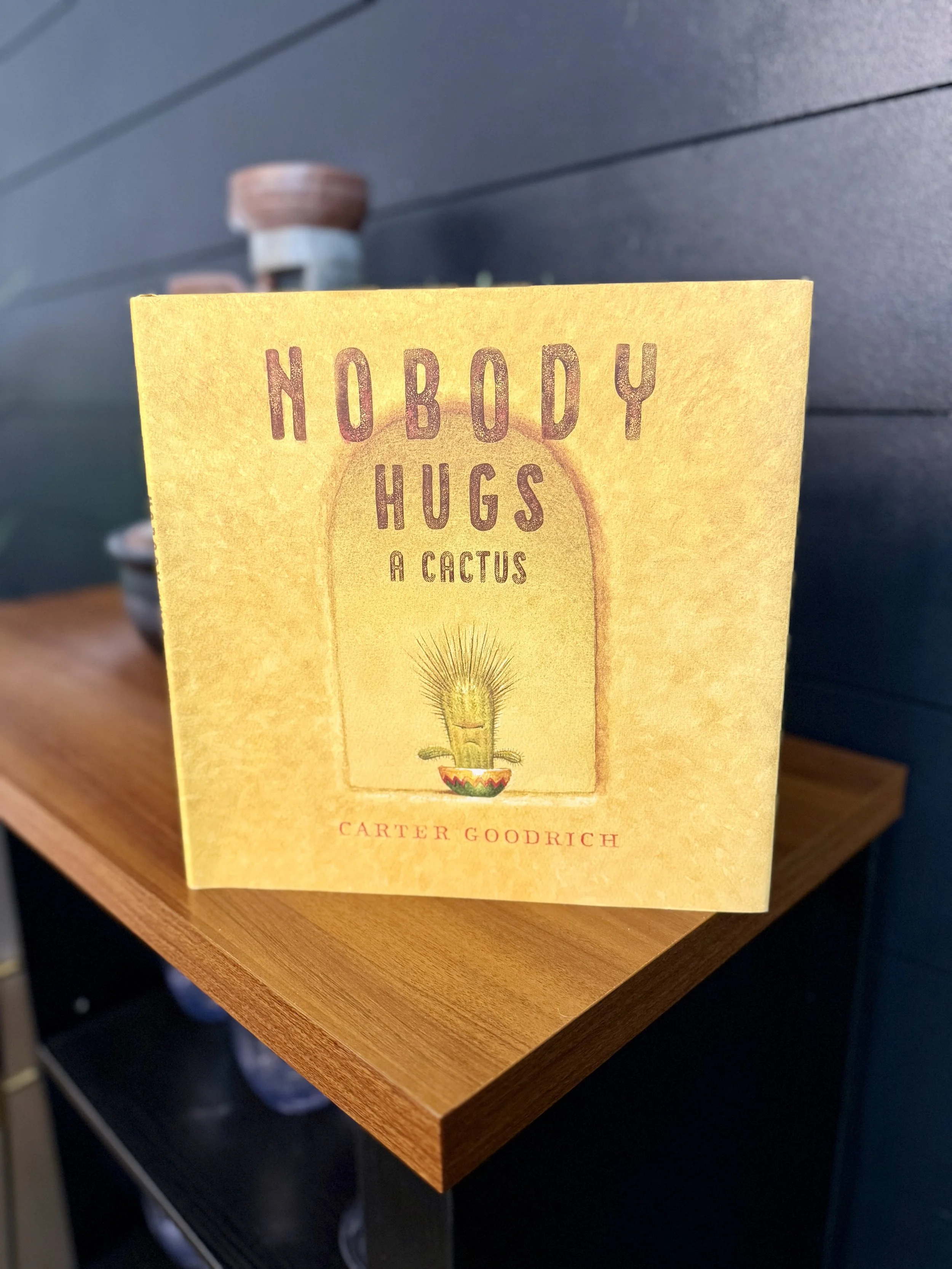

Nobody Hugs a Cactus
by Carter Goodrich
Celebrated artist and lead character designer of Brave, Ratatouille, and Despicable Me, Carter Goodrich, shows that sometimes, even the prickliest people—or the crankiest cacti—need a little love.
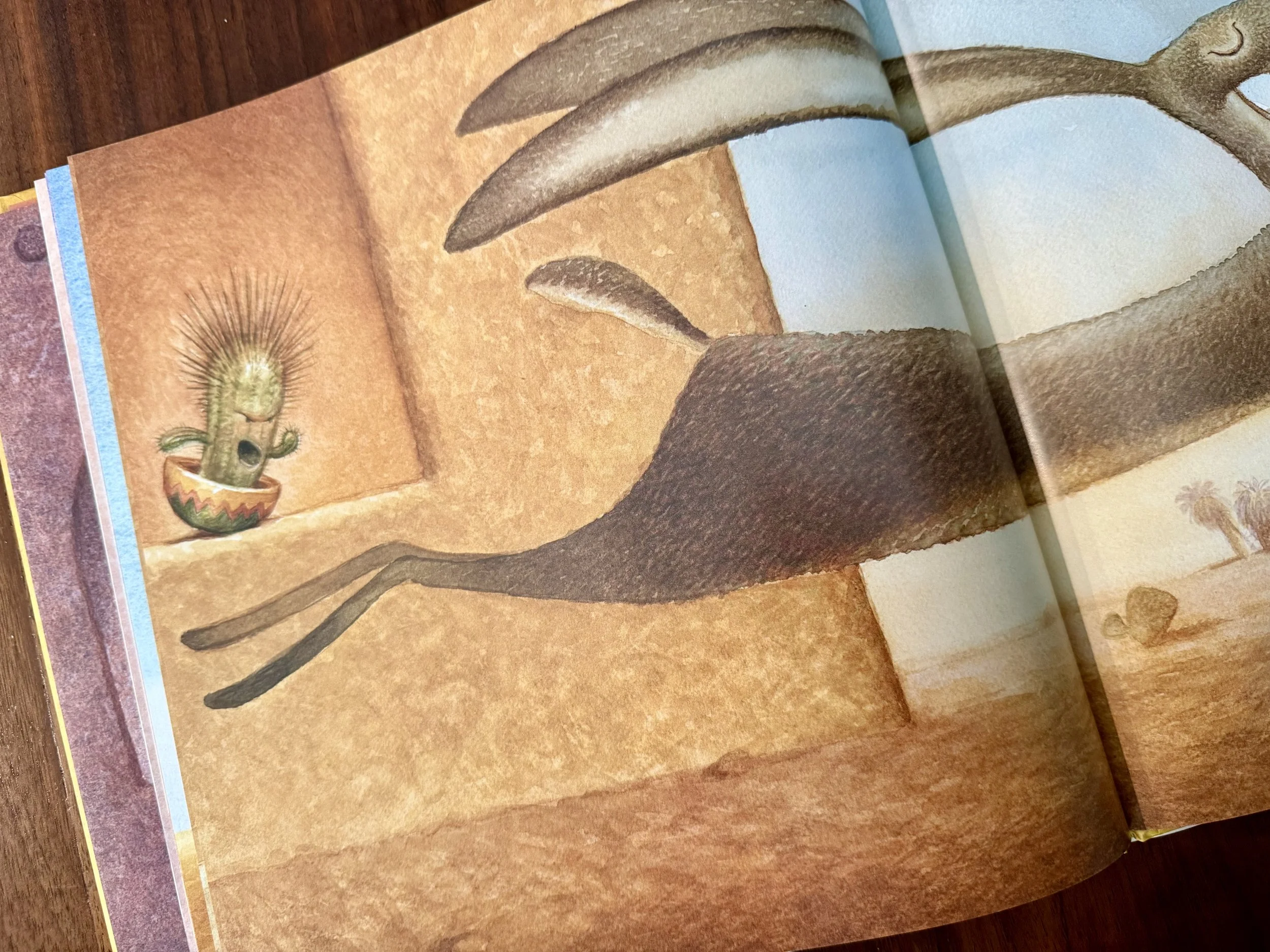
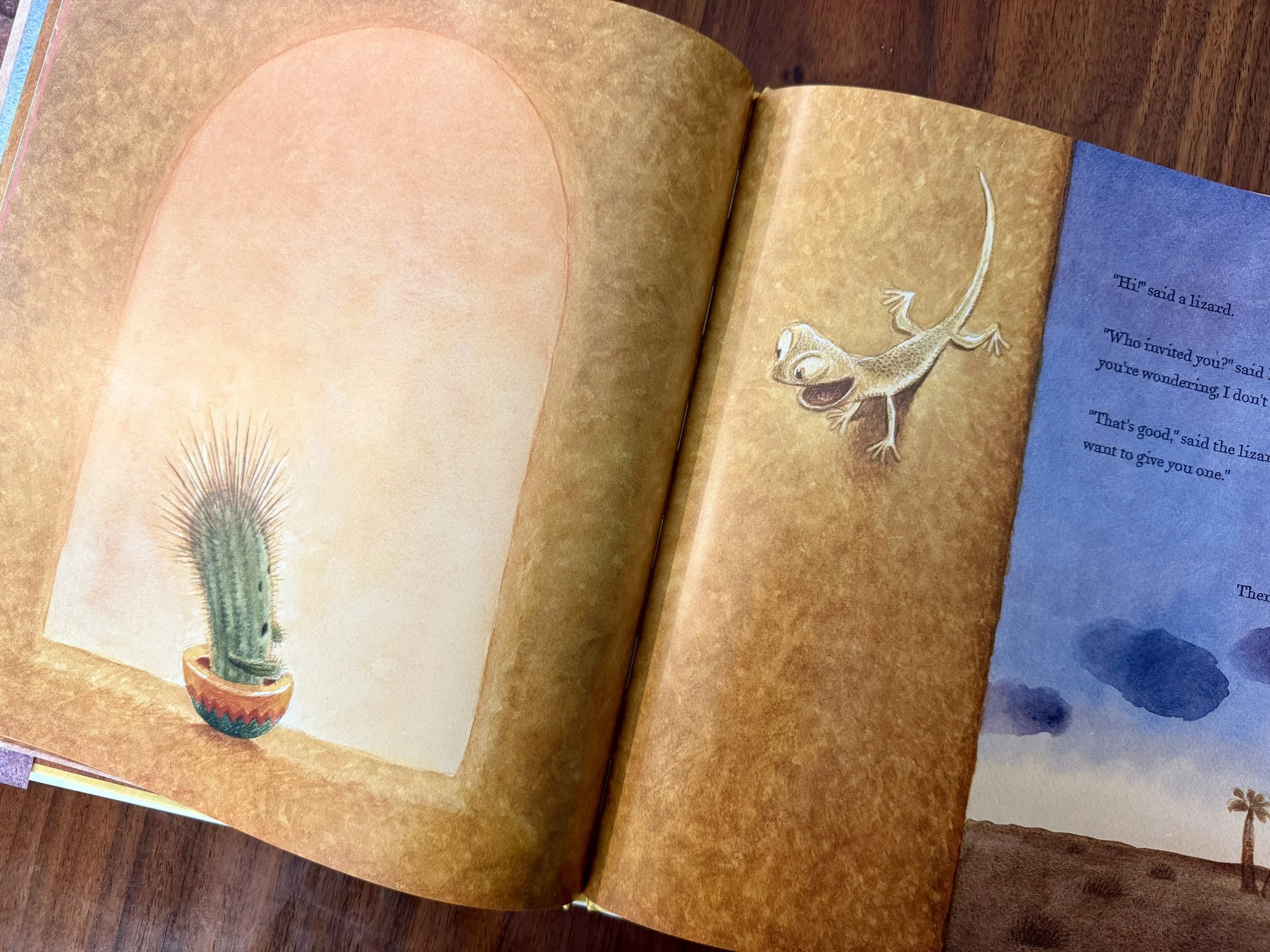
Hank is the prickliest cactus in the entire world. He sits in a pot in a window that faces the empty desert, which is just how he likes it. So, when all manner of creatures—from tumbleweed to lizard to owl—come to disturb his peace, Hank is annoyed.
He doesn’t like noise, he doesn’t like rowdiness, and definitely does not like hugs.
But the thing is, no one is offering one. Who would want to hug a plant so mean? Hank is beginning to discover that being alone can be, well, lonely.
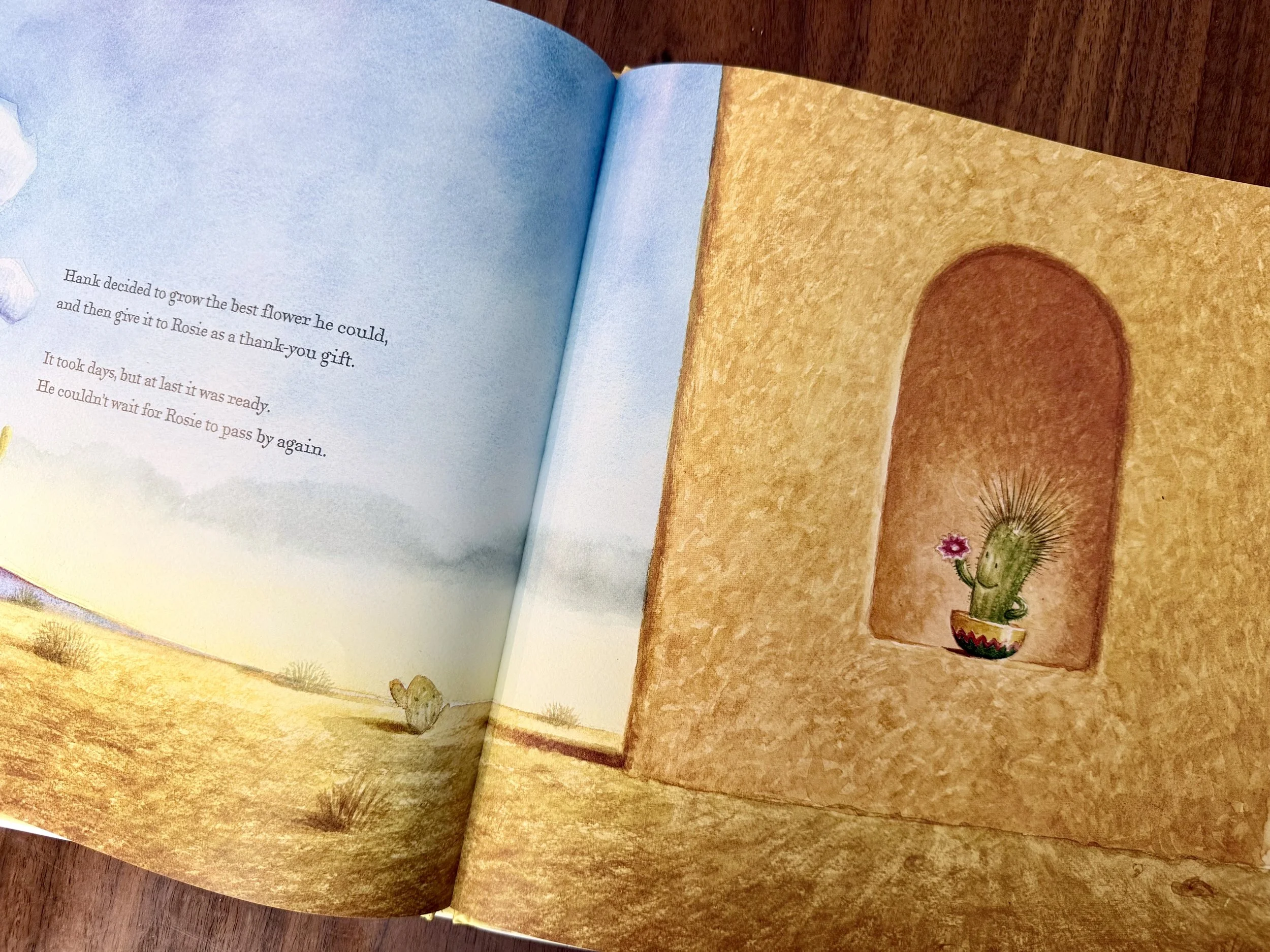
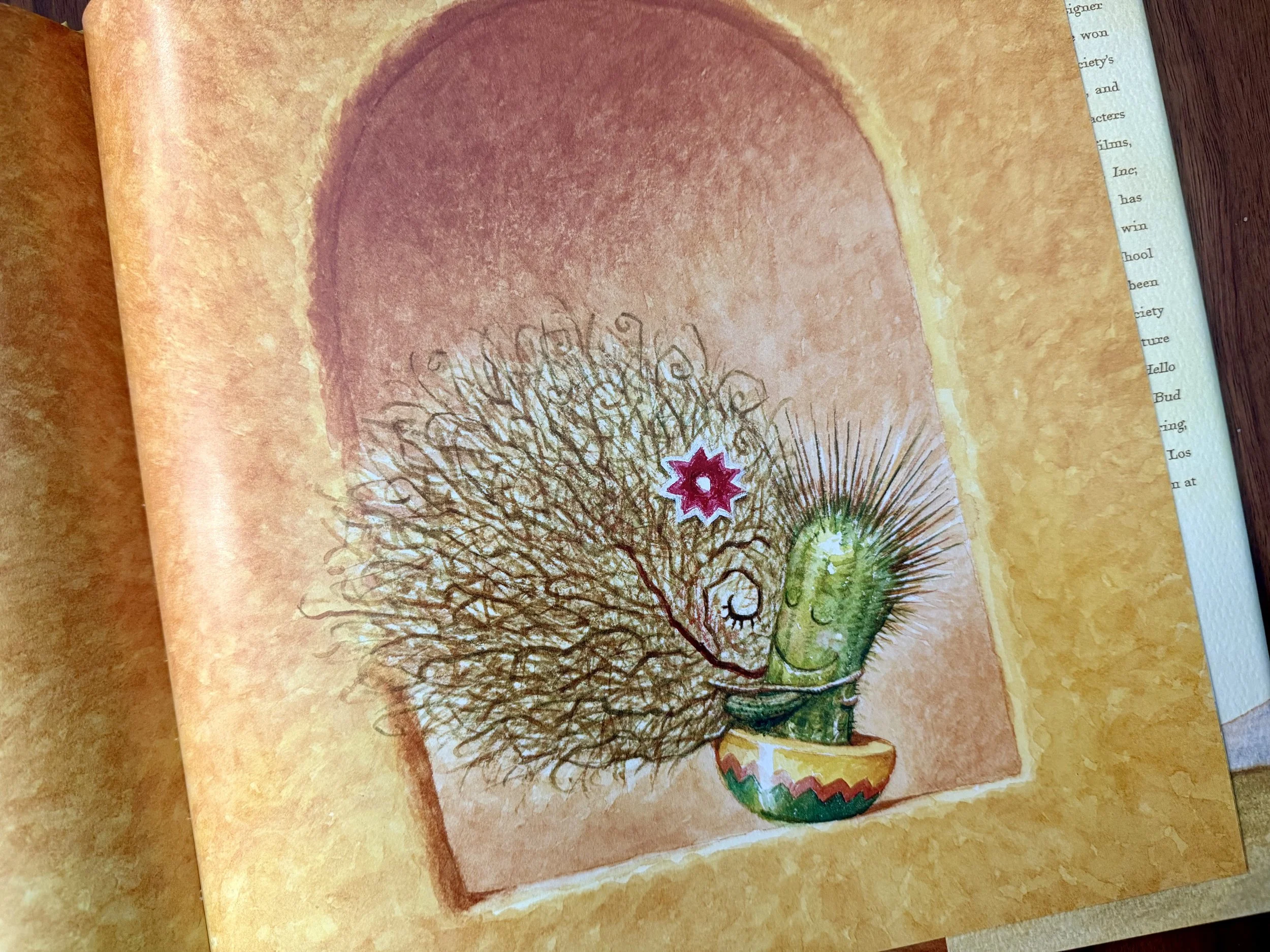
So he comes up with a plan to get the one thing he thought he would never need: a hug from a friend.
Using Nobody Hugs a Cactus as a Mentor Text
This mentor text is ideal for teaching character development, internal thinking, and change over time. Goodrich shows how a character can evolve through small, meaningful moments rather than dramatic events.
When reading Nobody Hugs a Cactus, notice how he:
Develops a clear character trait – Hank is introduced as someone who wants to be left alone
Shows internal conflict – His actions and feelings begin to shift as the story unfolds
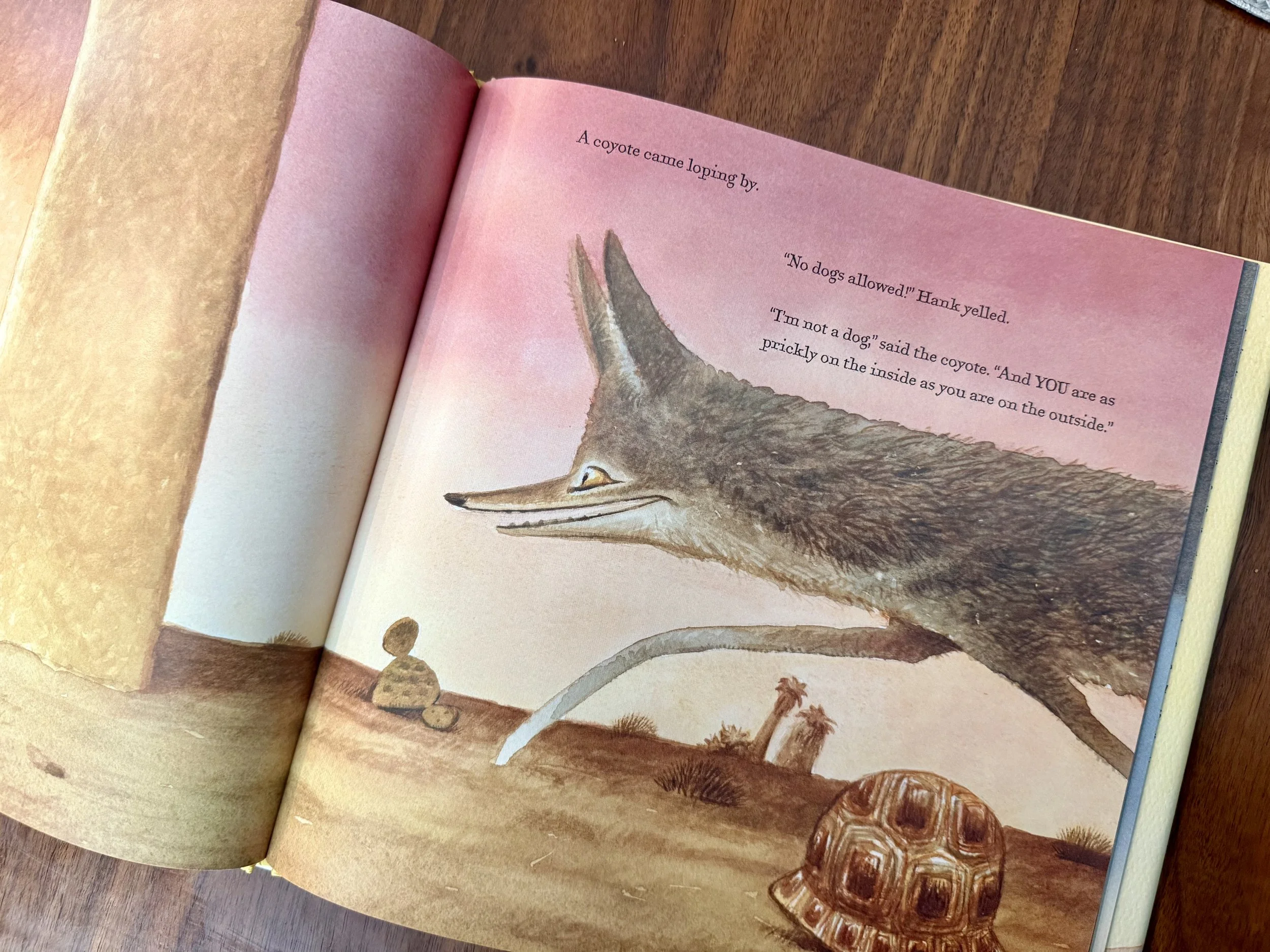
Uses images to deepen meaning – Illustrations reveal what the text doesn’t explicitly say
Builds change gradually – The transformation happens through subtle moments
As a mentor text, Nobody Hugs a Cactus teaches that strong writing often comes from exploring how a character thinks, feels, and changes.

Writing Prompt: “At First… But Then…”
Open your notebook and begin with this structure:
At first, I…
But then…
Write about a time when your thinking, feelings, or actions changed.
You might write:
About a time you didn’t want to do something at first
A moment when your opinion changed
A time you learned something new about yourself
A situation where you felt one way, then another
Try to mirror Goodrich’s style—simple, focused, and centered on change.
Sample Openings
At first, I didn’t want to go, but then something shifted…
At first, I thought I knew what I needed, but then I realized…
At first, I stayed quiet, but then I decided to speak…
At first, I wanted to be alone, but then I noticed…
This type of writing builds reflection, structure, and character development.
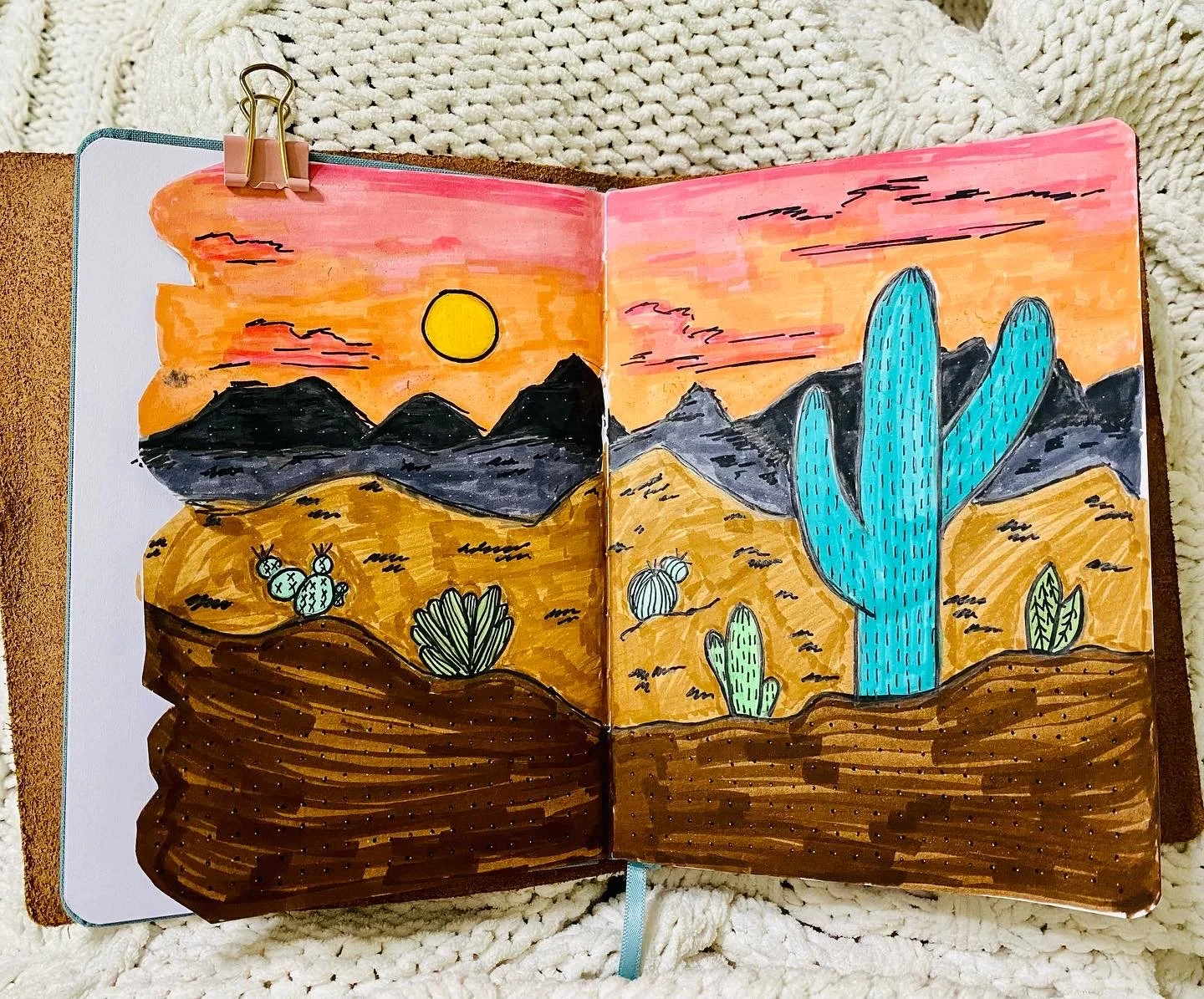
From Stephanie’s notebook, 2023
Why This Works
Writing about change helps students move beyond surface-level thinking. When they reflect on how feelings or perspectives shift, they begin to understand themselves—and others—more deeply.
Nobody Hugs a Cactus shows that even small moments can lead to meaningful change.
Writing in this way helps students:
Develop deeper thinking and reflection
Understand character and perspective
Structure writing with a clear beginning and shift
Build empathy and awareness
👉 Try it today: Write for five minutes beginning with “At first… but then…” and explore a moment of change.

For Educators: Bringing Nobody Hugs a Cactus into the Classroom
Preschool Literacy Connections
Name the feeling: “How does Hank feel?” (happy, mad, lonely)
Use facial expressions or a mirror to show Hank’s feelings
Practice simple sentence frames:
“Hank is ___.”
“Hank feels ___.”
Sequence the story with pictures: beginning, middle, end
Grades K–5
Discuss how Hank feels at the beginning vs. the end
Draw two pictures: “At first…” and “But then…”
Use sentence stems to support writing
Act out the story to explore emotions
Grades 6–8
Quickwrite: “A time I changed my mind…”
Identify the moment where Hank begins to change
Write a short paragraph using the “At first… but then…” structure
Revise by adding internal thinking (what was I thinking/feeling?)
Grades 9–12
Reflective writing: What causes people to change?
Analyze how Goodrich develops character through action and illustration
Write a narrative or reflection centered on internal change
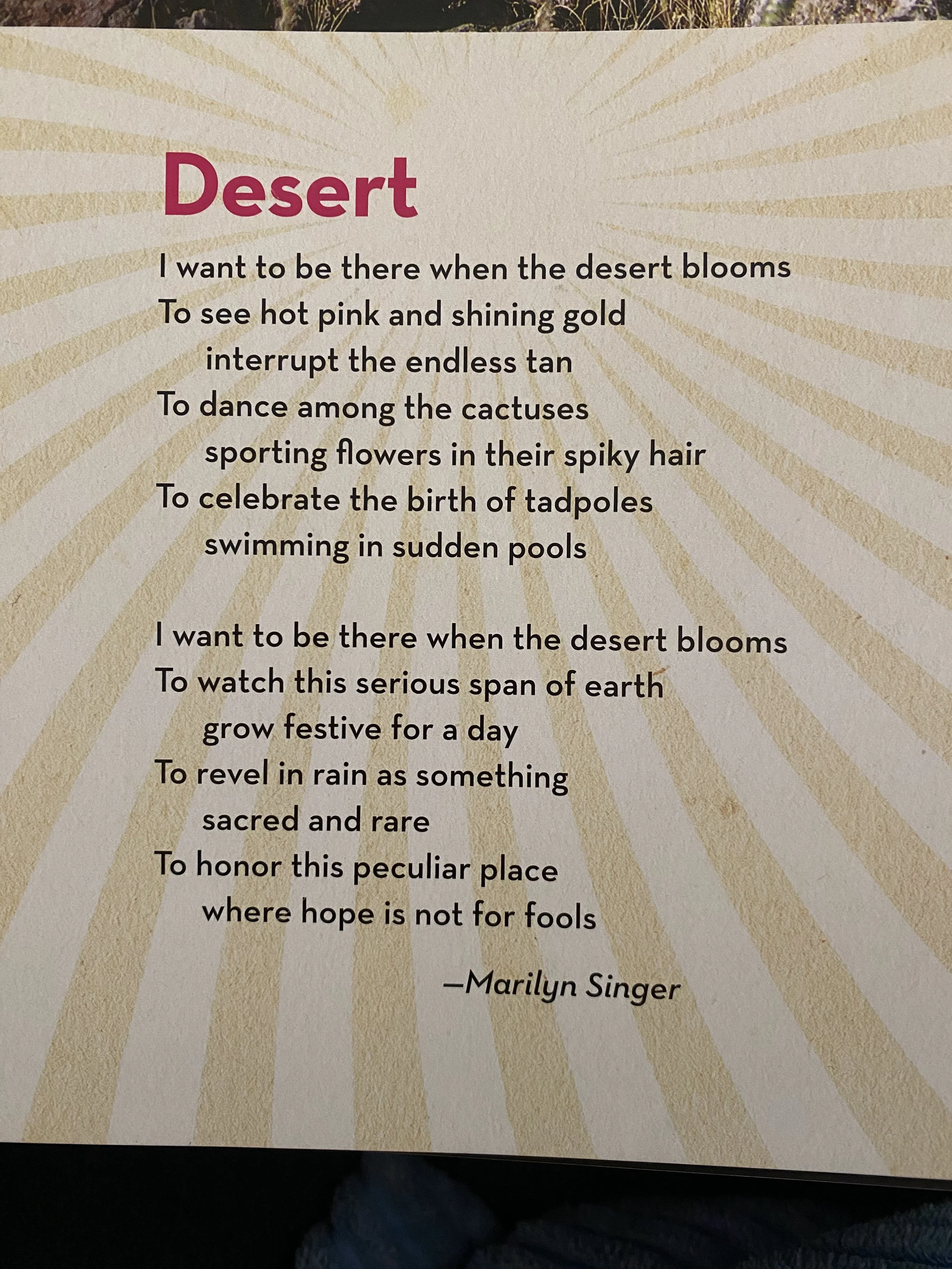
Research other texts that reference cacti or other desert images. Compare and contrast these works. See the poem “Desert” for ideas.
Disciplinary Literacy Connections
Nobody Hugs a Cactus can extend across content areas:
Science: Study how cacti survive in harsh environments; connect to resilience
Social Studies: Explore how people adapt to different environments or communities
Art: Draw or design a character that shows change over time
ELA: Analyze character development and internal conflict
Each activity reinforces that writing helps us understand change, perspective, and connection.

Grammar Focus: Sentence-Level Craft
Skill Focus: Showing Change Through Sentence Openers and Complex Sentences
Writers can show change by using complex sentences that begin with words like while, although, even though, and when to connect ideas.
Examples:
Although I didn’t want to talk, I started sharing my ideas.
Even though Hank said no to hugs, he began to feel something different.
While I was nervous at first, I slowly became more confident.
When I finally tried, I realized it wasn’t so bad.
Have students:
Start with a sentence opener (Although…, While…, Even though…, When…)
Add a second part that shows change or contrast
Expand by including thoughts or feelings
Sentence Frame Support:
Although I ___, I ___.
Even though I felt ___, I ___.
While I was ___, I ___.
When ___, I realized ___.
This strengthens sentence variety, helps students express contrast and growth, and builds more sophisticated sentence fluency.
Nature Journaling Connection
Cacti are a great way to connect storytelling with real-world science and observation. They may look simple or tough on the outside, but they have unique ways of surviving and adapting to their environment.
Try this:
Observe a cactus (real or pictured)
Ask: How does it survive in the desert? What does it need to grow?
Notice details: spines, shape, color, size, water storage
Reflect: What surprised me about how cacti live and adapt?
Then extend thinking:
How am I similar or different from a cactus in the way I handle challenges or “dry” times?
Or:
Write from the perspective of a cactus
“I look sharp on the outside, but…”
“People think I don’t need much, but actually…”
Or write about how something in nature can seem one way but is actually very different once you observe closely
This builds scientific observation, descriptive writing, and perspective-taking, while helping students connect nature learning to deeper reflection.
Additional Prompts for Reflection and Wellness
When have I wanted one thing but needed another?
What helps me feel connected to others?
When have I changed my mind or perspective?
What do I do when I feel alone?
These prompts support emotional awareness and reflection.
Final Thought
Nobody Hugs a Cactus reminds us that change doesn’t always happen all at once. Sometimes, it begins quietly, with a small shift in thinking or feeling.
When we invite students to write about change, we help them recognize that growth is possible—and often already happening.
And in doing so, we give them language to tell the story of who they are becoming.