Disclosure: Writing Mindset only endorses things that I’ve personally used, something similar, or come highly recommended by trusted peers. If you grab anything I mention using a referral link, I may get a small commission. However, there’s no extra cost to you. If you would like to learn more, please visit the privacy policy and disclosure page.
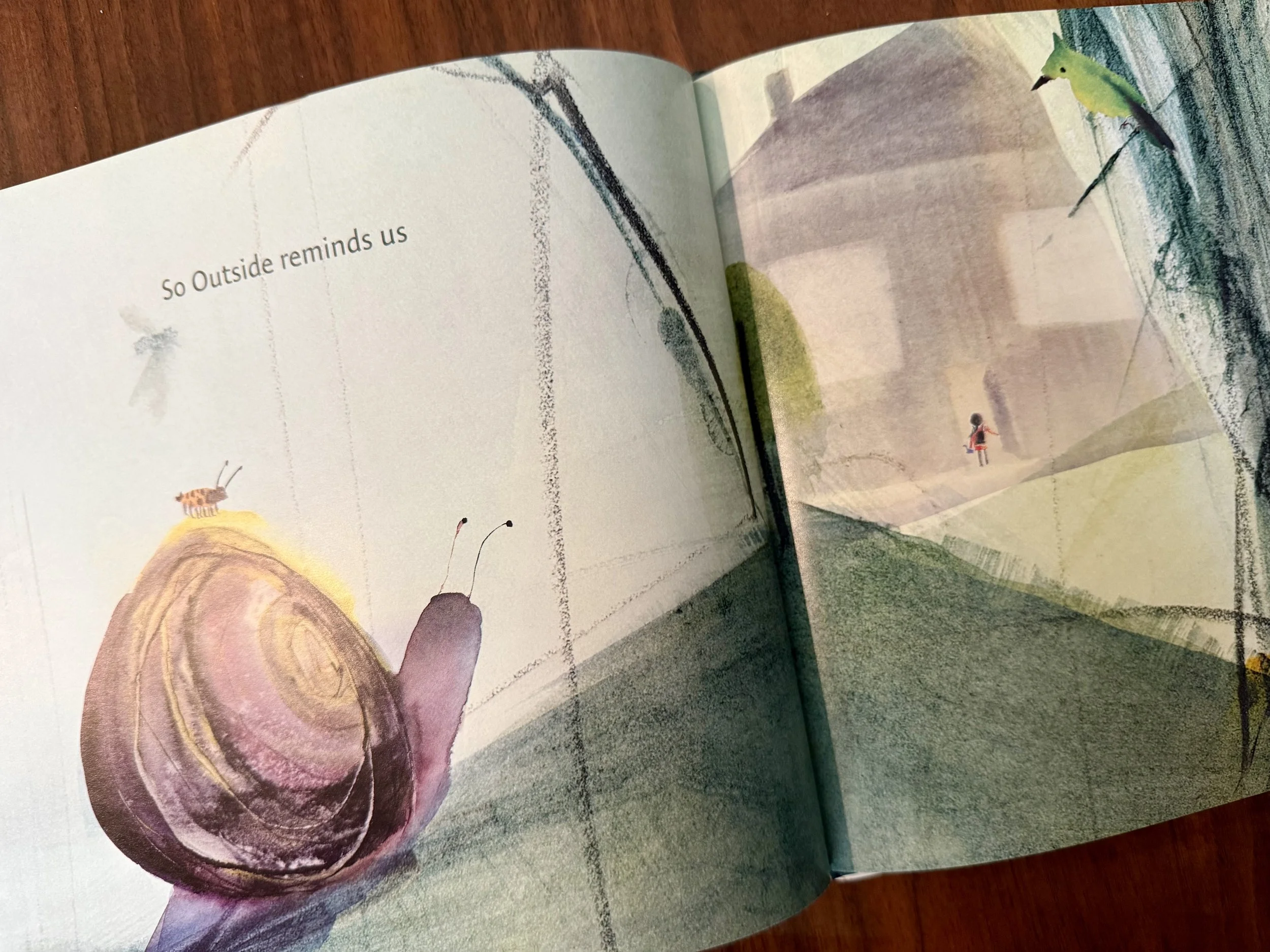
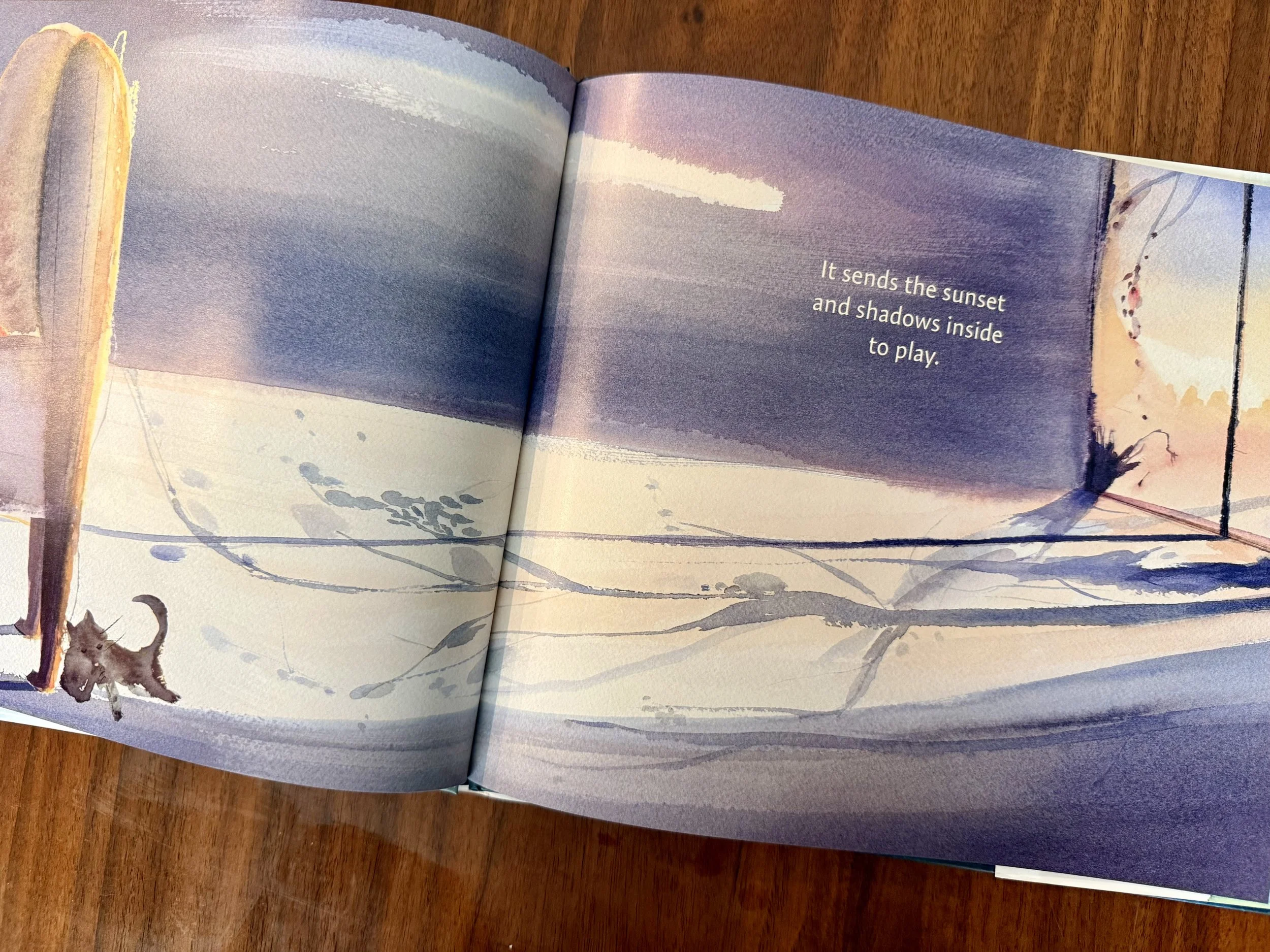
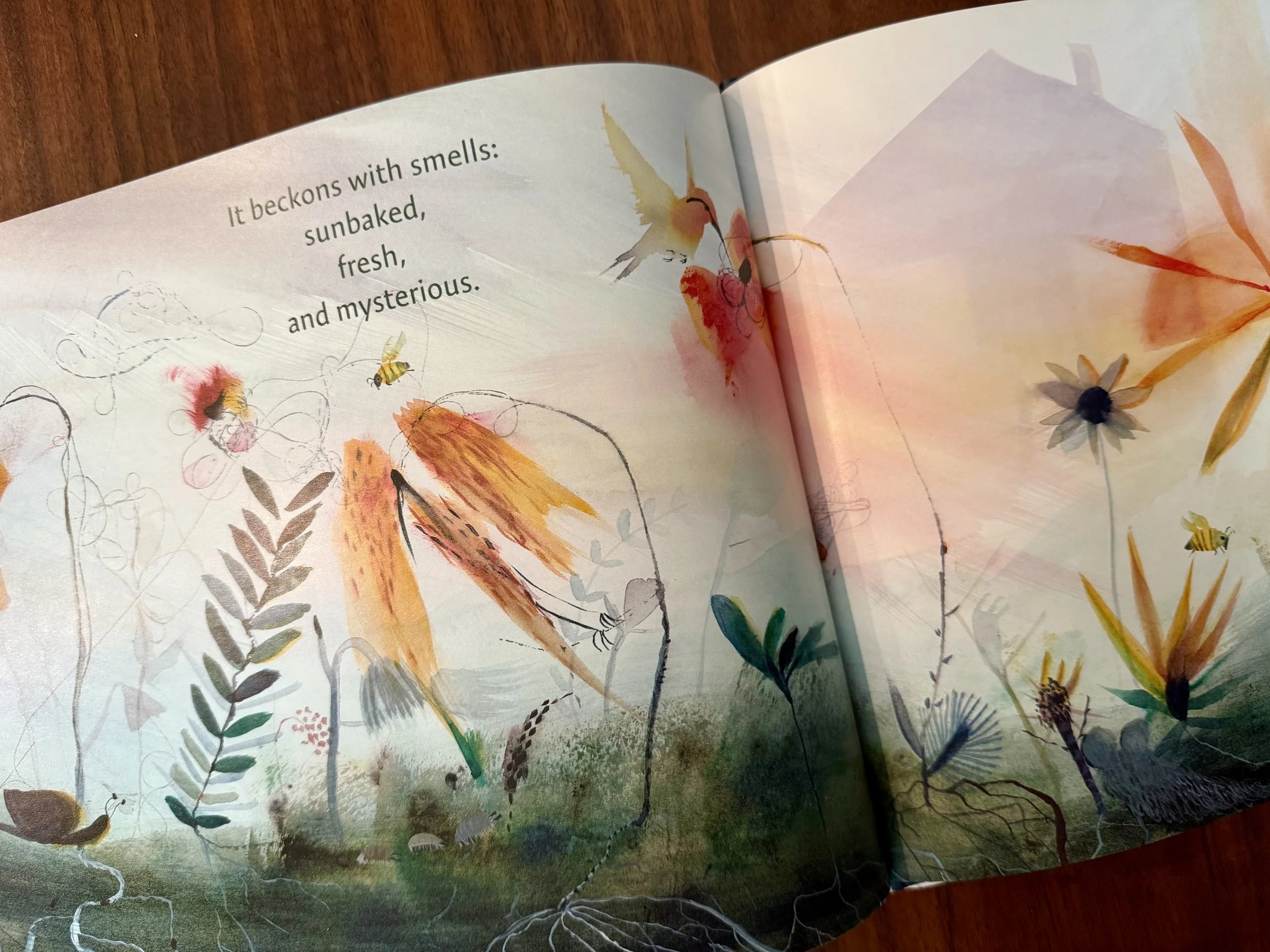
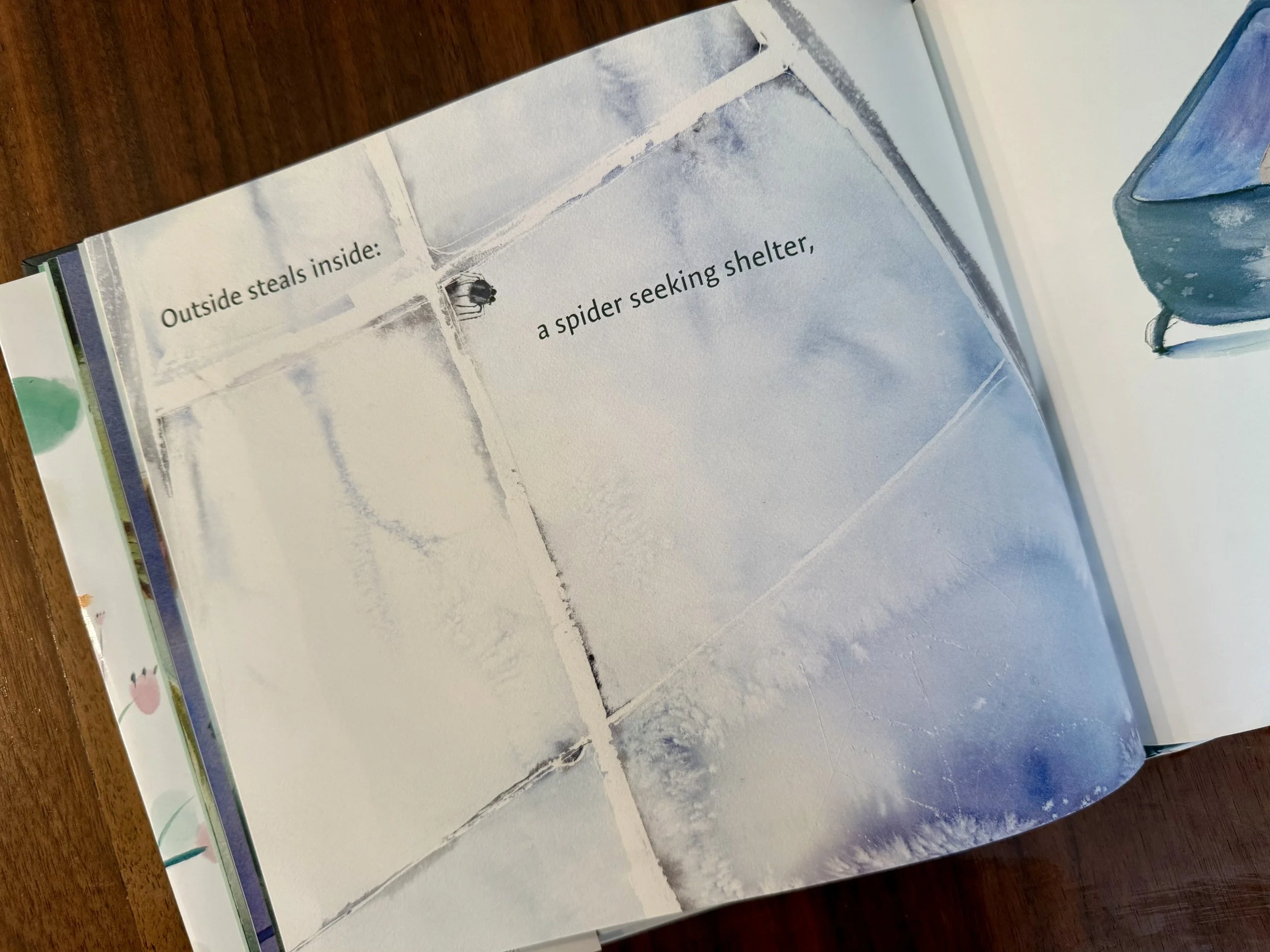
Outside In, written by Deborah Underwood and illustrated by Cindy Derby, is a poetic meditation on the quiet, persistent ways the natural world moves through our lives—even when we think we are separated from it. I would argue this is the perfect mentor text for a teacher that feels they cannot get outside in nature or wants to do more outside work with kids, but perhaps cannot because of time, budget, or access to natural spaces.
Through rhythmic, lyrical language and richly textured illustrations, the book shows how “outside” is never truly outside. It seeps in through light, sound, memory, breath, and presence. The world is always reaching us, even in stillness.
For writers, Outside In becomes an invitation to explore observation, contrast, and connection—especially the invisible threads between environments, emotions, and experience.
In this post, you can find…
Tips for using this book as a mentor text for writing
Ways to use the book with preschoolers, grades k-5, grades 6-8, grades 9-12, and for disciplinary literacy projects
Journaling prompts linked to the book (including nature journaling)
One grammar exercise to access grammar instruction
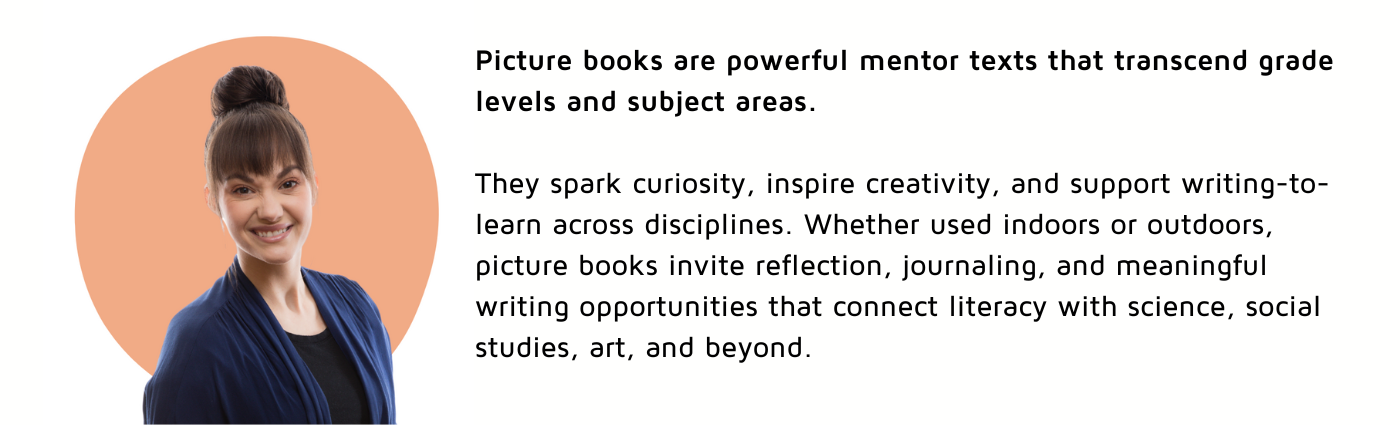
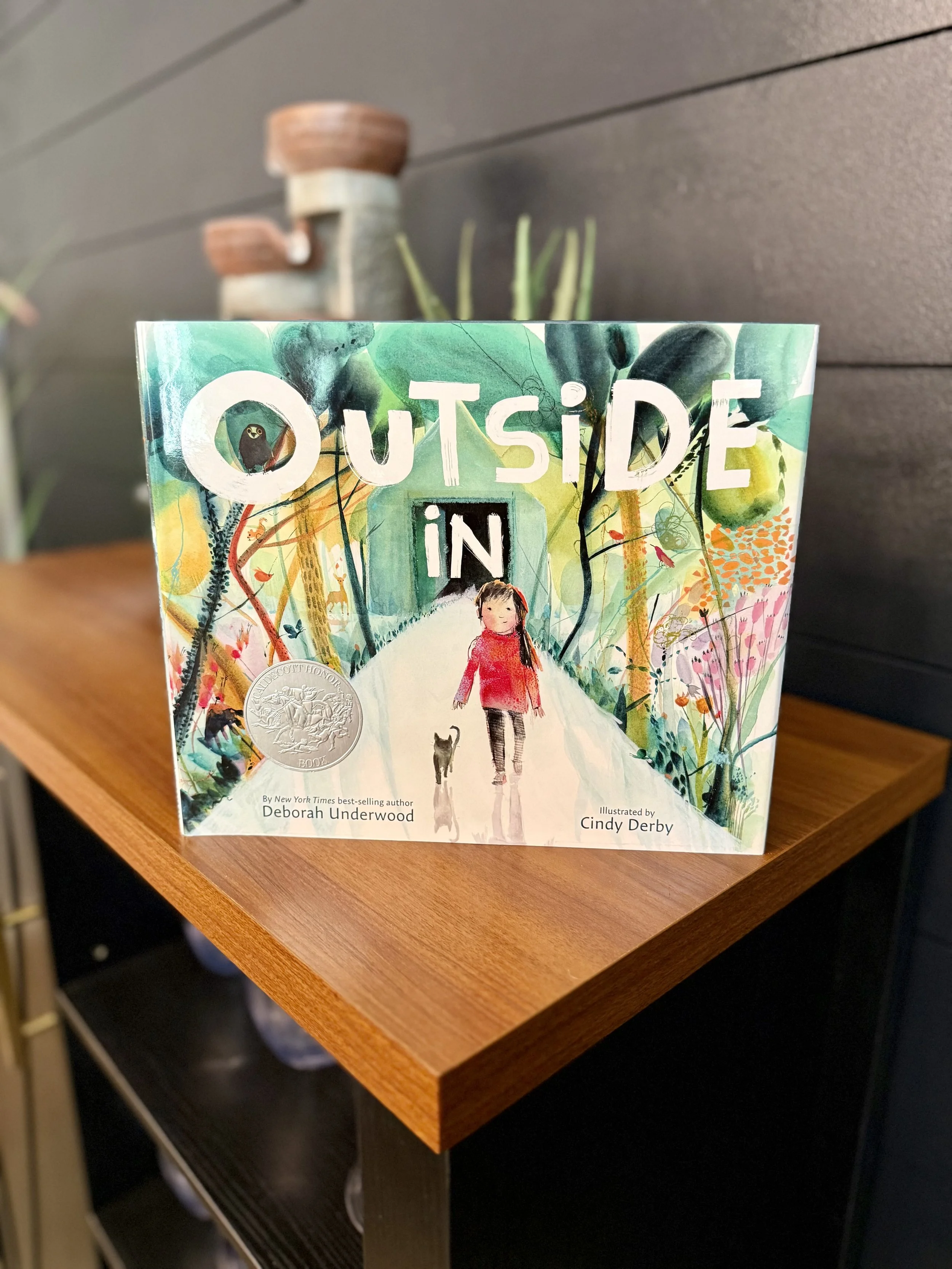
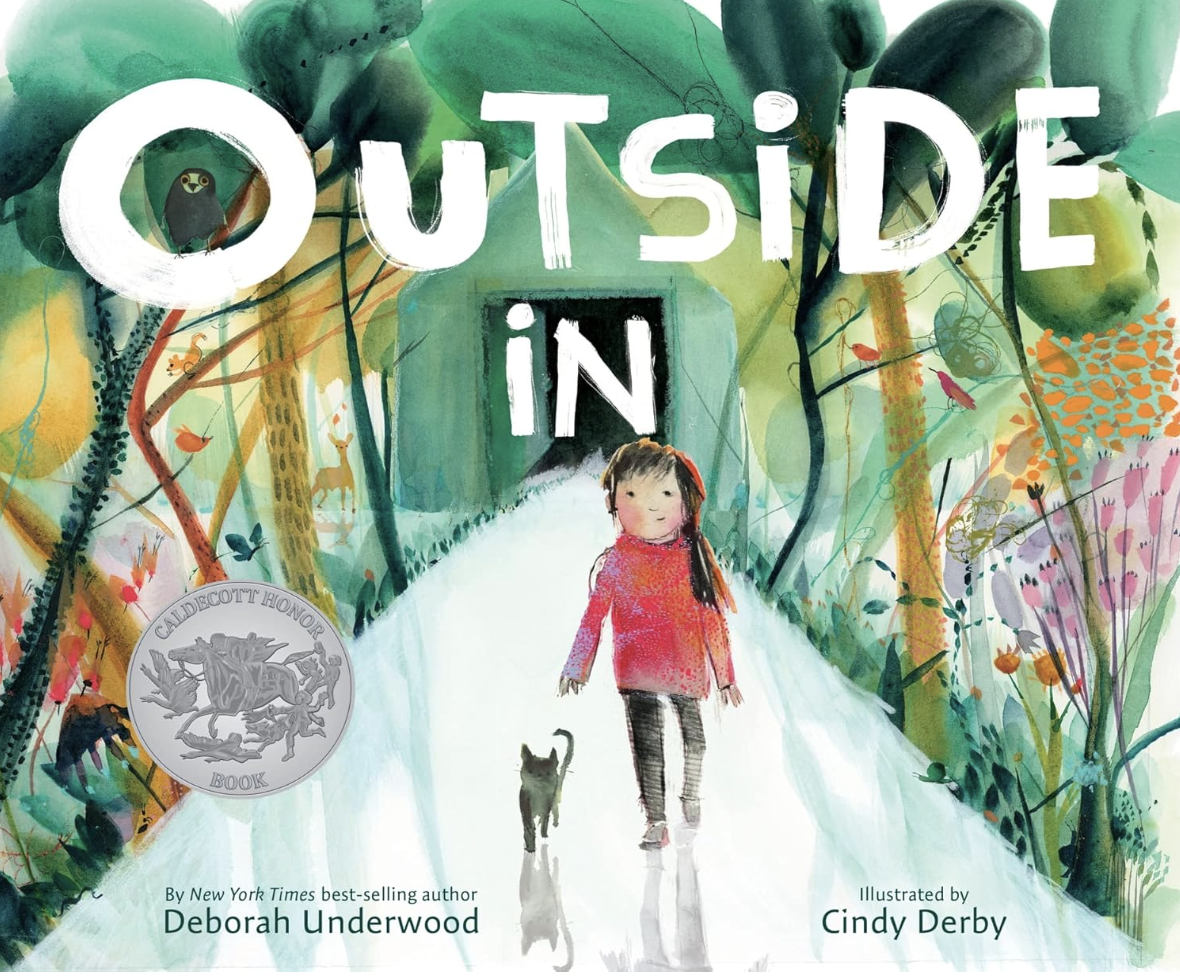
Outside In: A Poetic Nature Story About Our Connection to the Outdoors for Children by Deborah Underwood and Cindy Derby
A 2021 Caldecott Honor Book
From the New York Times best-selling author behind The Quiet Book comes a mindful contemplation on the many ways nature affects our everyday lives, even when we're stuck inside. Five starred reviews!
Perfect for fans of Joyce Sidman and Julie Fogliano, Outside In reminds emerging readers of the ways nature creates and touches our lives in homes, apartments, and cars, and is the perfect homeschooling tool to reflect on the world's connectedness.
Outside is waiting, the most patient playmate of all. The most generous friend. The most miraculous inventor. This thought-provoking picture book poetically underscores our powerful and enduring connection with nature, not so easily obscured by lives spent indoors.
Rhythmic, powerful language shows us how our world is made and the many ways Outside comes in to help and heal us, and reminds us that we are all part of a much greater universe. Emotive illustrations evoke the beauty, simplicity, and wonder that await us all . . . outside.
Using Outside In as a Mentor Text
This mentor text is ideal for teaching sensory detail, contrast, and thematic writing through structure. Underwood and Derby show how meaning can be created not through plot, but through relationship—between inside and outside, stillness and movement, human and nature.
When reading Outside In, notice how they:
Use contrast as structure – inside vs. outside creates rhythm and meaning
Layer sensory imagery – sound, light, texture, and movement are constantly present
Show connection rather than separation – boundaries are fluid, not fixed
Use poetic repetition and phrasing – language builds gently and intentionally
As a mentor text, Outside In teaches that writing can reveal how everything is connected—even when it seems divided.
Writing Prompt: “Where the Outside Comes In”
Open your notebook and begin with this idea:
Where does the outside come in?
Write about the spaces where worlds overlap.
You might write:
Sounds you hear from outside while you are inside
Moments when nature interrupts or enters your day
Emotional or mental “spaces” that feel like inside vs. outside
Connections between environment and feeling
Try to mirror the book’s style—observational, lyrical, and reflective.
Sample Openings
The outside comes in when I hear…
Inside my space, the world still finds a way to enter…
I notice the boundary between inside and outside when…
Outside is never far from where I am…
This type of writing builds sensory awareness, metaphor, and reflective thinking.
From Stephanie’s notebook, 2026
Why This Works
Writers grow when they learn to see relationships instead of separations. Outside In helps students understand that writing is not just about describing spaces. It’s about exploring how those spaces connect.
Writing in this way helps students:
Strengthen sensory and descriptive writing
Develop comparison and contrast structures
Build metaphorical thinking
Recognize connection in everyday experience
👉 Try it today: Write for five minutes about where “outside” enters your world.
For Educators: Bringing Nobody Hugs a Cactus into the Classroom
Preschool Literacy Connections
Go on a “listening walk” indoors and outdoors to notice sounds
Sort pictures or objects: “inside” vs. “outside”
Use simple sentence frames:
“I hear ___.”
“I see ___.”
Draw two spaces: “Inside” and “Outside”
Label or dictate what is noticed in each space
Grades K–5
Draw inside and outside spaces and label what is noticed in each
Use sentence frames: “Outside I hear… Inside I hear…”
Go on a short “listening walk” to notice environmental sounds
Create a shared class chart of observations
Grades 6–8
Quickwrite: “Where do you notice the outside world in your daily life?”
Identify examples of contrast in the text
Write a paragraph using inside/outside comparisons
Revise writing by adding sensory details

Grades 9–12
Reflective writing: How do environments shape perception and thought?
Analyze how contrast builds meaning in the text
Write a piece exploring physical or emotional boundaries
Experiment with parallel structure and repetition
Disciplinary Literacy Connections
Outside In extends across content areas:
Science: Explore ecosystems, habitats, and environmental interaction
Social Studies: Study how people interact with place and space
Art: Create layered inside/outside visual compositions
ELA: Analyze contrast, imagery, and structure in poetry-like prose
Each activity reinforces that writing is a way to notice connection, not separation.
Grammar Focus: Sentence-Level Craft
Skill Focus: Using Adverbs to Show How and Where Actions Happen
Writers use adverbs to add detail to actions by showing how, where, and when something happens. In Outside In, contrast is often shown through actions that change depending on place, mood, or environment.
Example:
Inside, the world moves quietly. Outside, it moves loudly.
Inside, people speak softly. Outside, they speak excitedly.
Have students:
Write paired sentences using Inside… / Outside…
Include at least one adverb in each sentence (how something happens)
Add sensory or emotional detail to strengthen meaning
Experiment with repetition and rhythm to highlight contrast
Sentence Frame Support:
Inside, I ___ quietly / slowly / calmly.
Outside, I ___ loudly / quickly / excitedly.
Inside, the world feels ___.
Outside, everything moves ___.
This strengthens:
sentence fluency, precise word choice, and understanding of how adverbs shape meaning and contrast in writing.
Nature Journaling Connection
Outside In invites writers to slow down and notice how nature is never fully “outside”—it moves into our spaces through sound, light, air, and feeling.
Try this:
Sit in one place (near a window, doorway, or outside space) and observe carefully
Notice what comes into your space from nature: light shifting, wind, sounds, temperature, shadows, scents
Write what moves between inside and outside (What enters? What passes through? What changes?)
Record small details: “A breeze moves through the window…” “Leaves cast moving shadows on the wall…”
Then reflect:
How does nature influence my thoughts, mood, or focus in this moment?
What changes when I pay closer attention to what is entering my space?
Optional extension:
Write a short reflection from the perspective of the space itself (a room, a window, a doorway) noticing what nature brings in and takes away
This builds careful observation, sensory awareness, and reflective writing, helping writers see how deeply environment and experience are connected.
Additional Prompts for Reflection and Wellness
Where do I feel most connected to the world around me?
What enters my awareness even when I am not outside?
How do I carry the outside world within me?
What boundaries feel real—and which ones feel imagined?
Final Thought
Outside In reminds us that the world is never truly divided. Even in stillness, even indoors, we are surrounded by movement, sound, and life.
When we teach students to notice these connections, we help them become more attentive writers—and more aware participants in the world around them.
And in doing so, we show them that writing is not just about describing what is outside, but understanding how it is already inside us.