The Daily “Who I Am” Habit: Writing & Speaking Words That Shape Who We Are
Disclosure: Writing Mindset only endorses things that I’ve personally used, something similar, or come highly recommended by trusted peers. If you grab anything I mention using a referral link, I may get a small commission. However, there’s no extra cost to you. If you would like to learn more, please visit the privacy policy and disclosure page.
I start each day in a very similar way. After getting up and getting ready, I help our preschool-aged daughter prepare for school. As part of our daily hair routine, we always say our affirmations. These words set the tone for each day, and it is a non-negotiable part of our routine.
I want her to know what to say to herself when she doubts she can do something or feels unsure. I want her to be able to remind herself of how great she already is and how wonderful a person she is becoming.
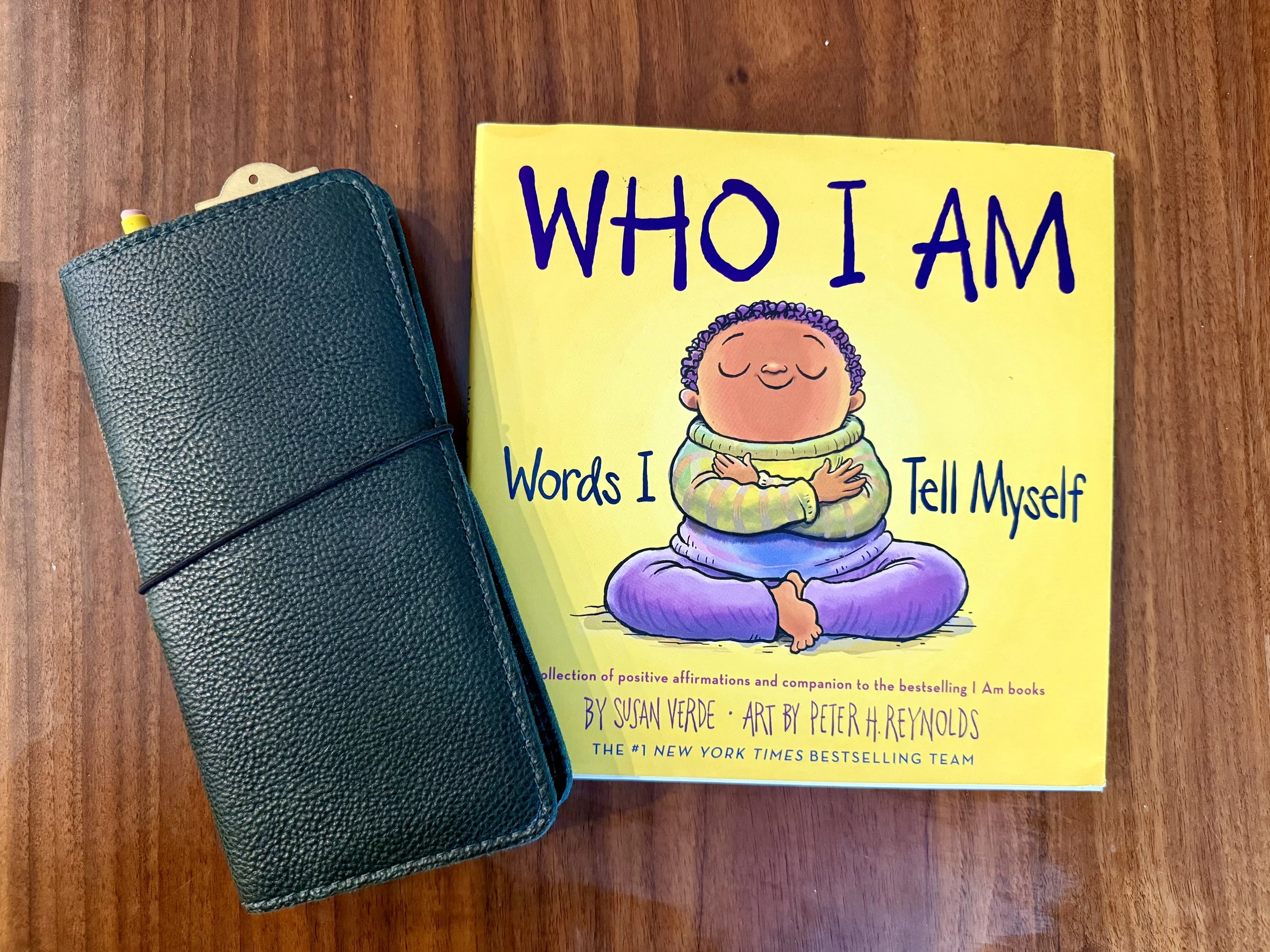
Affirmations are more than flowery phrases—they are the inner dialogue we create for ourselves. Who I Am: Words I Tell Myself, by Susan Verde and illustrated by Peter H. Reynolds, is a powerful exploration of identity and the quiet language we carry within ourselves. Through simple, intentional phrases, the book reminds readers that the words we repeat internally shape how we see ourselves and who we are becoming.
Each line invites reflection:
I am strong.
I am creative.
I am enough.
This text is both grounding and expansive. It creates space for readers to notice their inner voice and begin to shape it with care. This book is not just something to read—it is something to return to. It becomes a mirror for identity and a starting point for daily reflection.
For writers, journalers, students, and caregivers, Who I Am offers an invitation to build a daily practice of affirmation writing—using a notebook or journal as a place to shape identity through language.
In this post, you can find…
Tips for using this book as a mentor text for writing
Ways to use the book with preschoolers, grades k-5, grades 6-8, grades 9-12, and for disciplinary literacy projects
Journaling prompts linked to the book (including nature journaling)
One grammar exercise to access grammar instruction
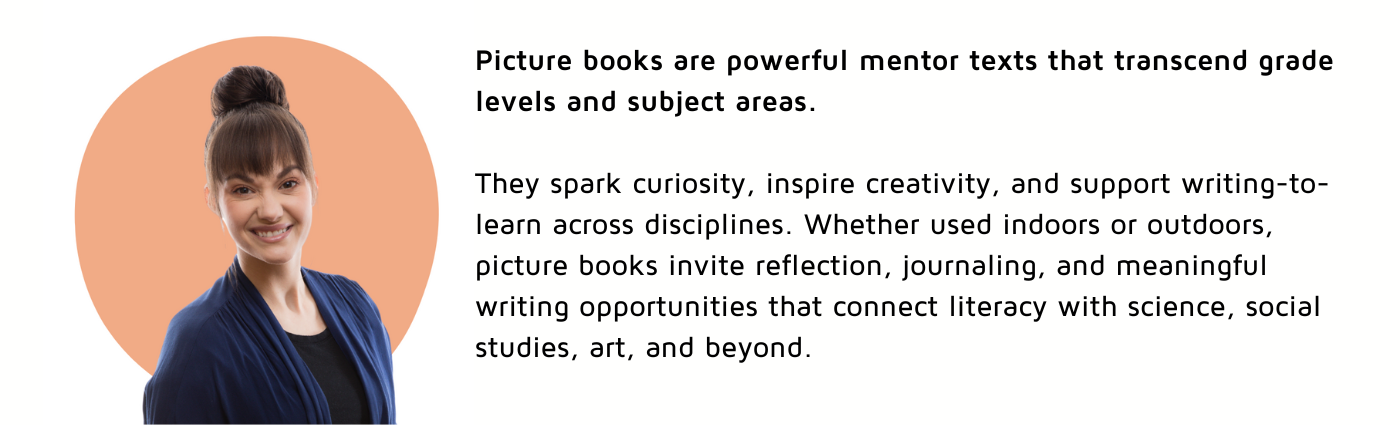
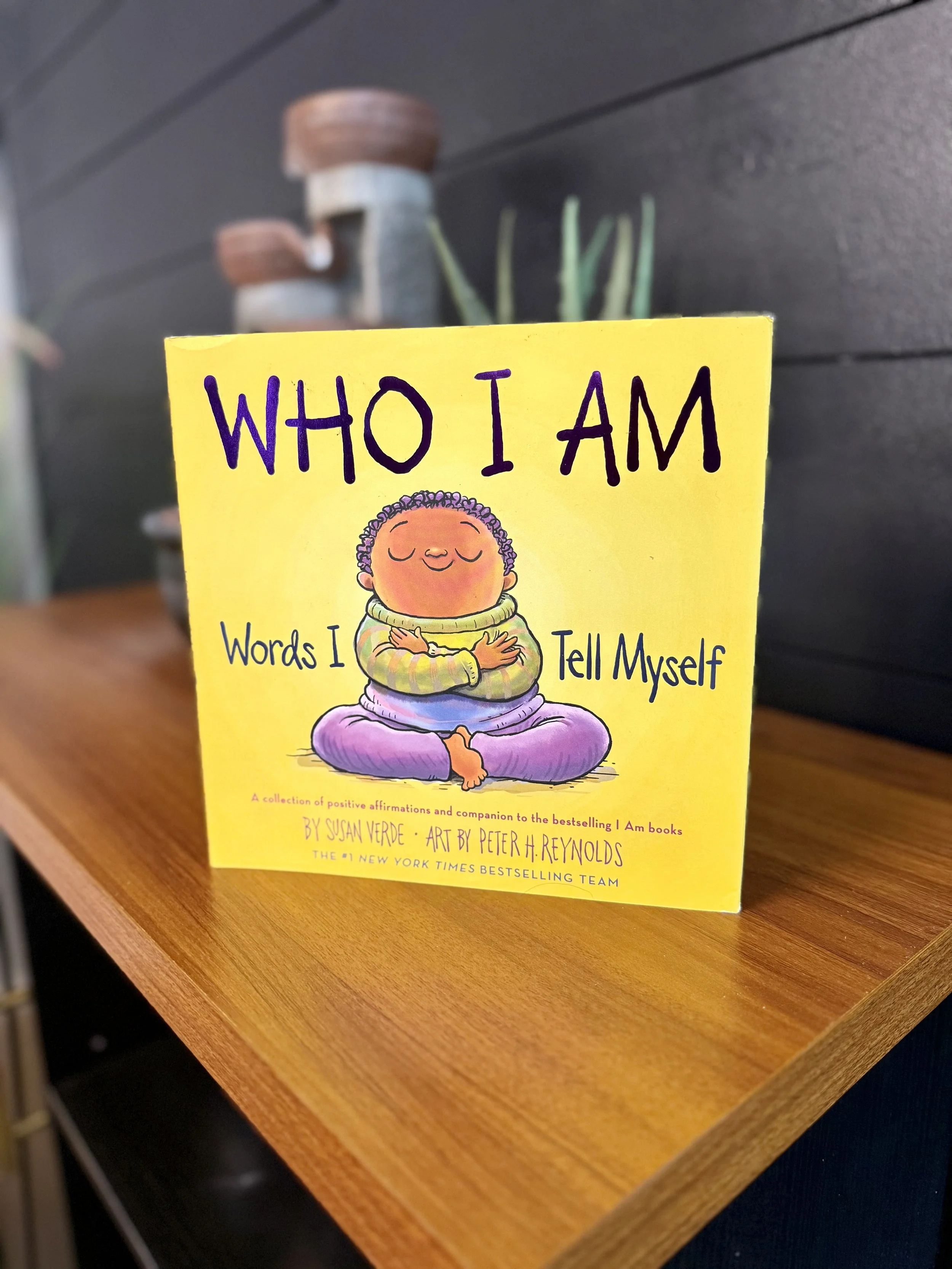
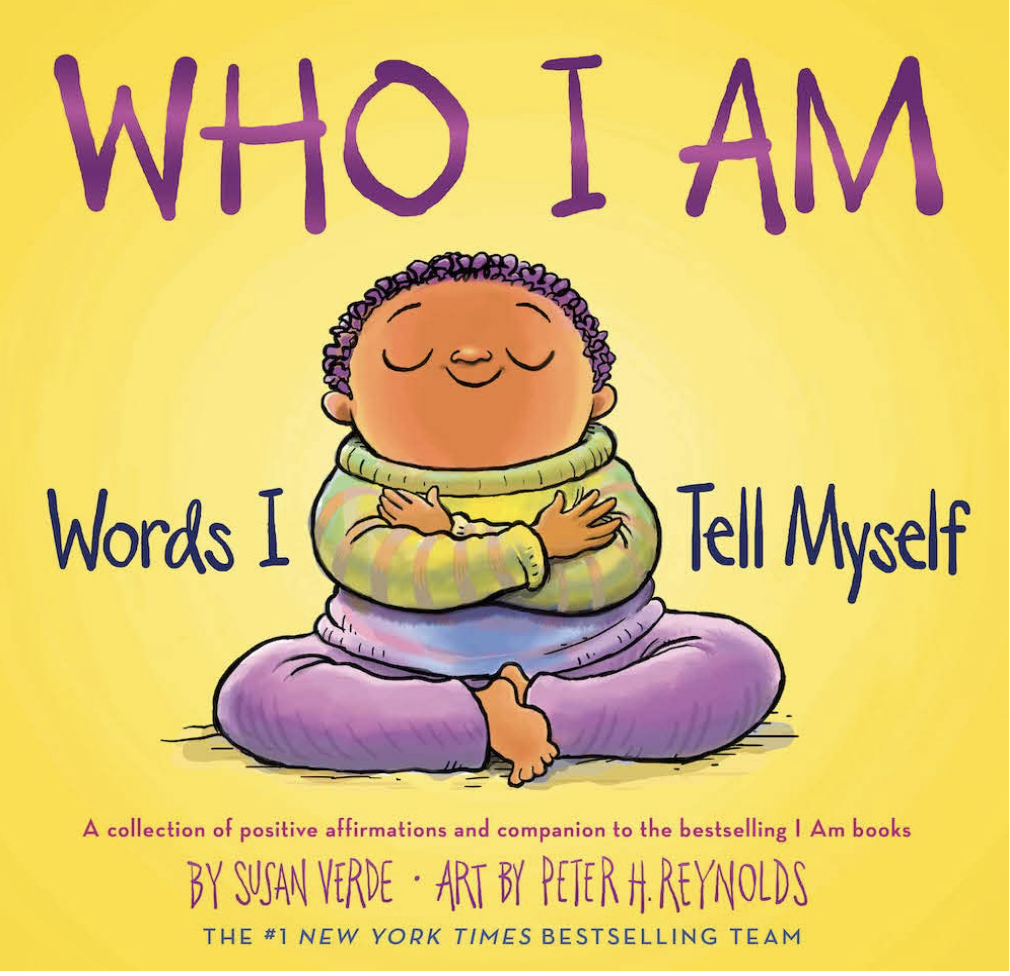
Who I Am: Words I Tell Myself
by Susan Verde and Peter H. Reynolds
Encourage kids to practice self-love every day with Who I Am, an uplifting picture book collection of positive affirmations and companion to Susan Verde and Peter H. Reynolds’s New York Times bestselling I Am series.
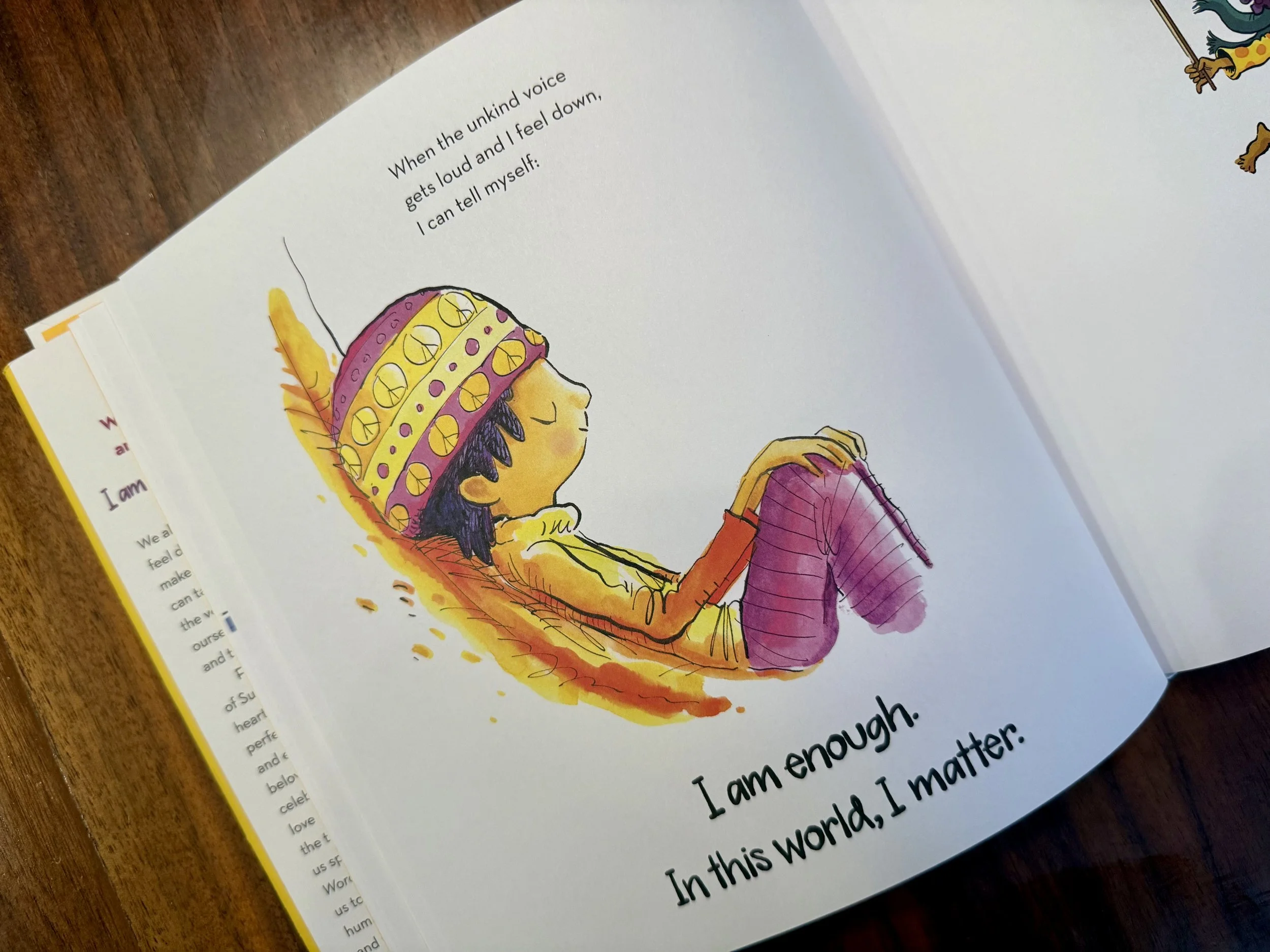
When the unkind voice gets loud and I feel down, I can tell myself:
I am enough. In this world, I matter.
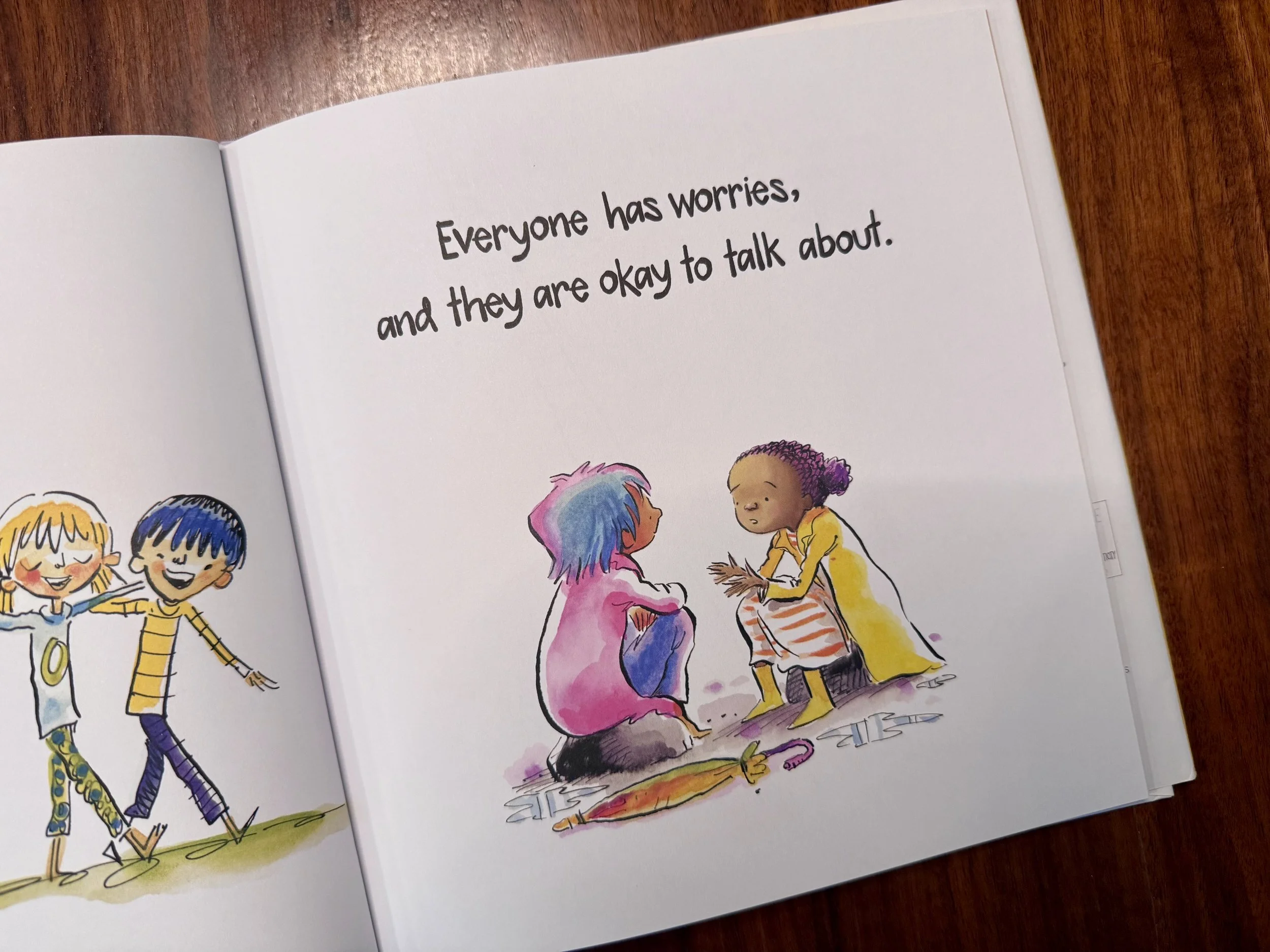
We all have rough days: tough times when we feel down and an unkind voice in our mind can make us feel disappointed in ourselves. But we can talk back to that unkind voice; we can find the voice that will lift us up instead. We can tell ourselves words that are positive, supportive, and true.
A celebration of self-love and owning all the things that make us special, Who I Am: Words I Tell Myself is a heartfelt collection of positive affirmations, helping us to affirm that we are human, we are enough, and we are deserving of all kinds of love—especially our own.
Using Who I Am as a Mentor Text
This mentor text is ideal for teaching voice, repetition, and identity-based writing. The structure is simple, but the impact is powerful.
When reading Who I Am, notice how it:
Uses repetition to build confidence and rhythm
Centers short, clear statements that feel accessible and meaningful
Builds identity through language
Creates space for personal connection and reflection
As a mentor text, Who I Am shows that writing does not need to be long or complex to be meaningful. Sometimes, a single sentence can carry powerful truth.
Journaling Prompt: ““I Am…”
Open your notebook and begin with:
I am…
Write a list of statements that reflect who you are, what you are learning, or what you are becoming.
You might write:
Things you believe about yourself
Strengths you are developing
Feelings you are working through
Hopes for who you are becoming
Try to mirror the book’s style—simple, honest, and reflective.
Sample Openings
I am learning to be patient with myself…
I am stronger than I was yesterday…
I am someone who keeps trying…
I am still growing into who I want to be…
This type of writing builds voice, confidence, and self-awareness.
Why This Works
Writing affirmations is a form of intentional thinking. When students and writers choose the words they repeat to themselves, they begin to shape their identity with purpose.
This practice helps:
Build confidence and voice
Support emotional awareness
Encourage reflection and growth
Create consistent writing habits
👉 Try it today: Write 3–5 “I am…” statements and notice how your thinking shifts.
For Educators: Bringing Who I Am into the Classroom
Preschool
Young learners benefit from simple, repeated language that builds identity.
Practice saying affirmations aloud together
Draw and dictate “I am…” statements
Use visuals to support understanding
Preschool Affirmations (Ages 3–5)
Simple, repeatable, identity-building language:
I am kind.
I am loved.
I am safe.
I am learning every day.
I am a good friend.
I can try new things.
I am growing.
I am helpful.
I am strong.
Grades K–5
Students begin to connect identity to learning and relationships.
Write simple “I am…” lists
Create a class affirmation chart
Pair writing with drawing
Grades K–5 Affirmations
Building confidence, voice, and early identity awareness:
I am a reader and a writer.
I am proud of my ideas.
I can learn from mistakes.
I am becoming stronger every day.
I have important thoughts to share.
I can solve problems.
I am kind to myself and others.
I can keep trying even when it is hard.
I am creative in many ways.
I matter in my classroom and my world.
Grades 6–8
Students explore identity, voice, and self-perception more deeply.
Quickwrite: “Who am I becoming?”
Expand simple affirmations with detail
Reflect on how self-talk influences actions
Grades 6–8 Affirmations
Supporting identity, confidence, and emotional awareness:
I am learning who I am and that is enough.
I can grow through challenges.
My voice deserves to be heard.
I am allowed to take up space.
I can change my mind and still be strong.
I am not defined by my mistakes.
I bring value to my learning community.
I can think deeply and ask questions.
I am becoming more confident every day.
My ideas matter.
Grades 9–12
Writers develop more complex, reflective identity statements.
Write layered affirmations (I am… because…)
Reflect on internal vs. external identity
Connect affirmations to goals and growth
Grades 9–12 Affirmations
Supporting independence, reflection, and identity formation:
I am becoming the person I am meant to be.
My voice has power and purpose.
I can trust my thinking.
I am capable of meaningful change.
I do not have to have everything figured out.
My experiences shape my understanding.
I am allowed to grow at my own pace.
I can learn from every experience.
I am responsible for my choices and my growth.
I am enough as I am, and I am still becoming.
Grammar Focus: Sentence-Level Craft
Skill Focus: Writing Cause and Effect with So (Conjunction)
Affirmations become more powerful when students can clearly connect a feeling or situation (cause) to an intentional action or belief (effect). Using the conjunction so helps writers show that connection in one clear sentence.
Teach the Structure:
Cause + so + Effect
This allows students to move from simply naming a feeling to expressing growth, choice, or intention.
Examples:
I am tired, so I am learning to rest when I need it.
I feel nervous, so I take a deep breath and try my best.
I made a mistake, so I am learning and growing.
I feel proud, so I keep working toward my goals.
Have students:
Start with an “I am…” or “I feel…” statement (cause)
Add so to show what they choose to do or believe (effect)
Revise for clarity, flow, and meaning
This strengthens sentence fluency while helping students connect their thoughts, emotions, and actions in a purposeful way.
Nature Journaling Connection
Who I Am reminds us that the words we use to describe ourselves can be grounded in the natural world. Nature gives us images, patterns, and language to better understand who we are and how we are growing.
Instead of only writing “I am…,” try connecting your words to something in nature:
I am like a tree because I am still growing, even when it is slow.
I am like the ocean because my feelings come in waves.
I am like the sun because I bring warmth to others.
I am like a seed because I am just beginning something new.
I am like the wind because I keep moving forward.
You can also write:
I am growing like __________ because __________
Today I feel like __________ because __________
Part of me is like __________ because __________
For Mothers / Caregivers
This practice is just as powerful for adults.
Begin or end the day with 2–3 affirmations
Reflect on identity beyond roles and responsibilities
Use writing as a moment of grounding
Mother Affirmations
Supporting grounding, identity, and daily care:
I am doing meaningful work, even when it feels small.
I am allowed to rest.
I am learning and growing alongside my children.
I do not have to do everything perfectly.
I am present enough.
I am worthy of care, too.
I can hold both strength and softness.
I am doing better than I think I am.
I am building something that matters.
I am enough in this moment.
Read More » The Big List of Motherhood Affirmations for Journaling and Life
Additional Prompts for Reflection and Wellness
What do I want to believe about myself?
What words do I repeat in my mind?
How do my thoughts shape my actions?
What am I becoming?
These prompts support self-awareness and emotional grounding.
Final Thought
Who I Am reminds us that identity is not fixed—it is shaped by the words we choose, repeat, and believe.
When we give students space to write “I am…,” we are not just teaching writing.
We are helping them name who they are—and who they are becoming.
And that is writing that truly matters.