While We’re Here: Writing Through Presence, Connection, and the Shared Moment
Disclosure: Writing Mindset only endorses things that I’ve personally used, something similar, or come highly recommended by trusted peers. If you grab anything I mention using a referral link, I may get a small commission. However, there’s no extra cost to you. If you would like to learn more, please visit the privacy policy and disclosure page.
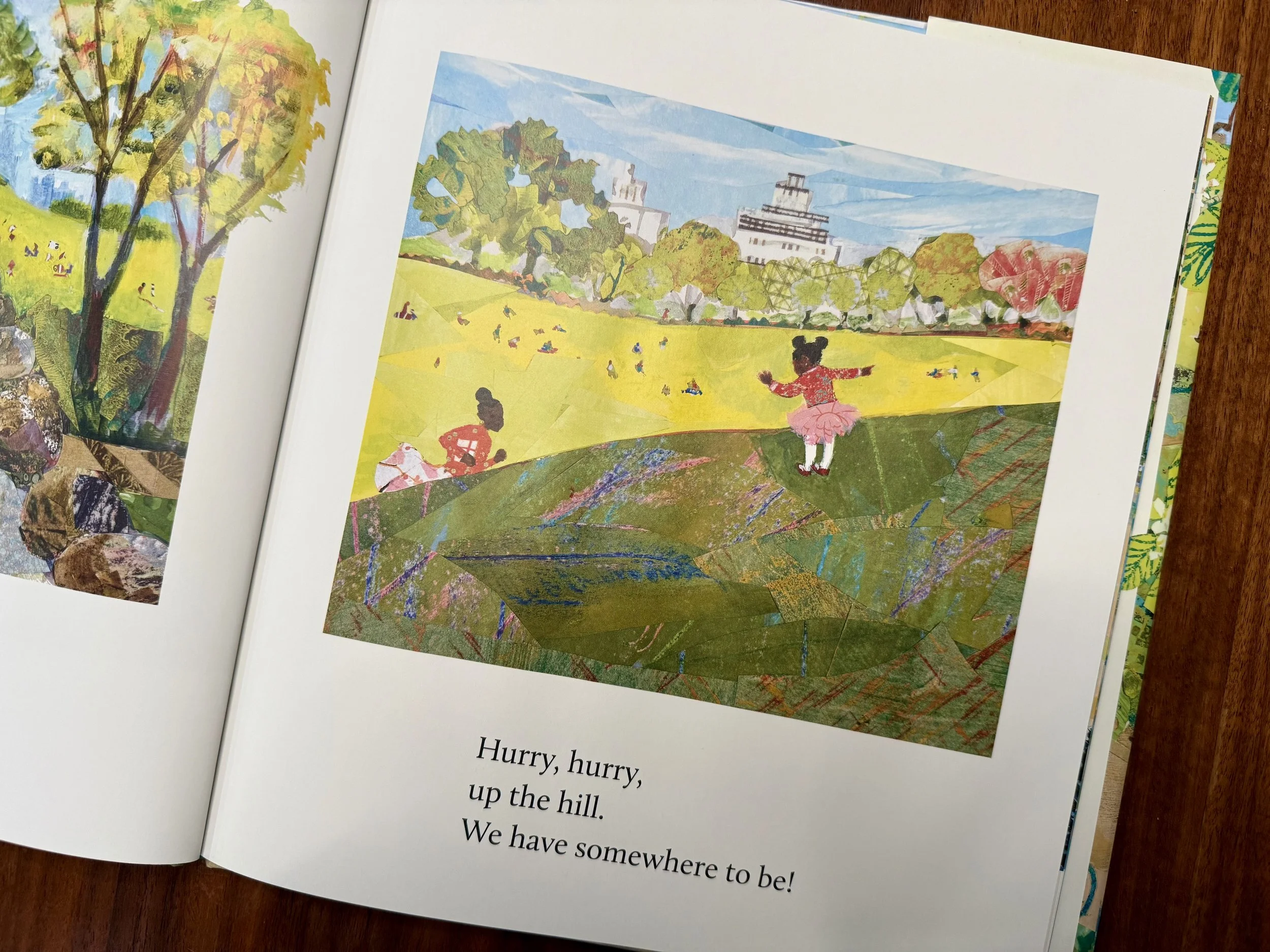
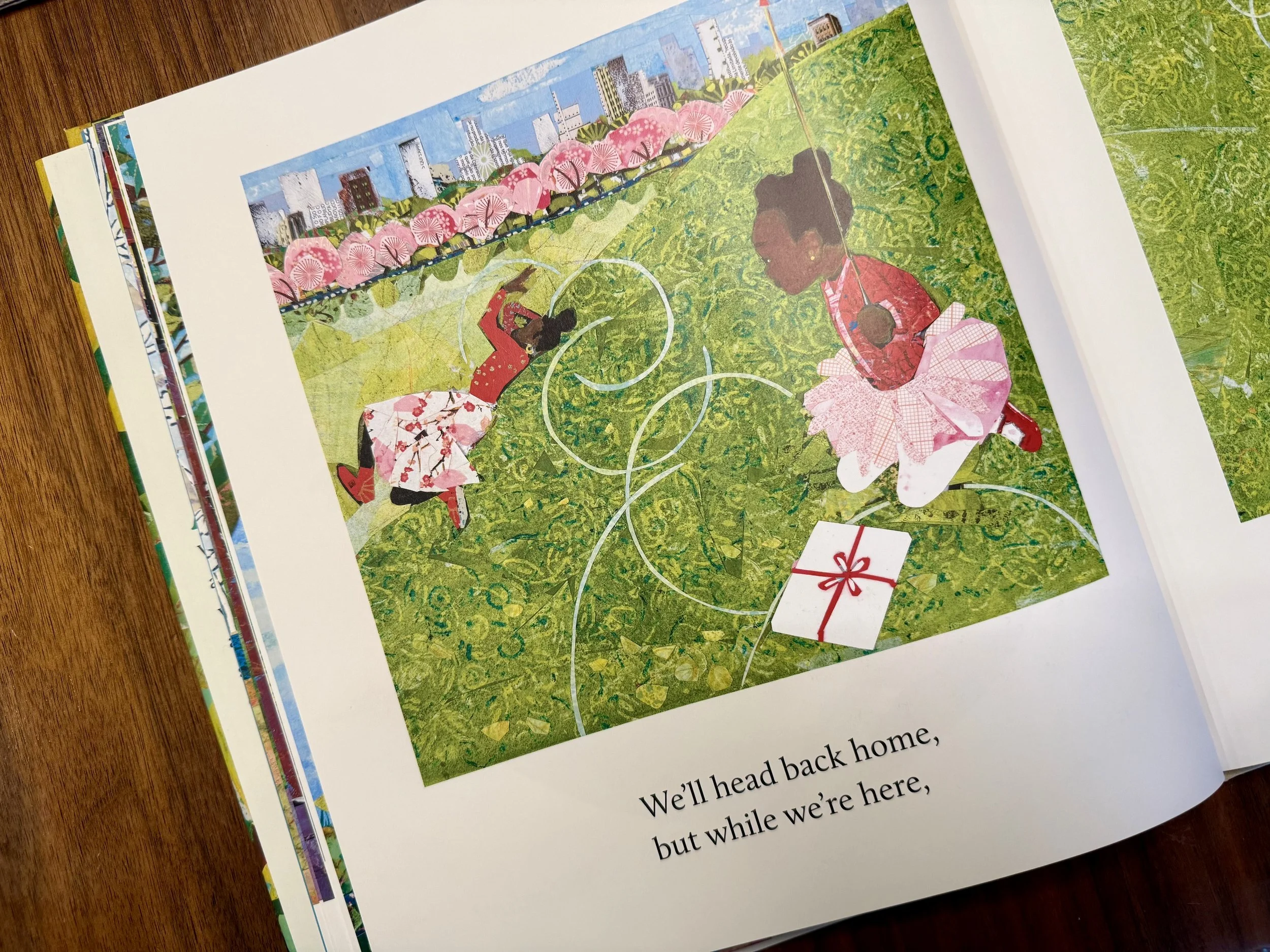
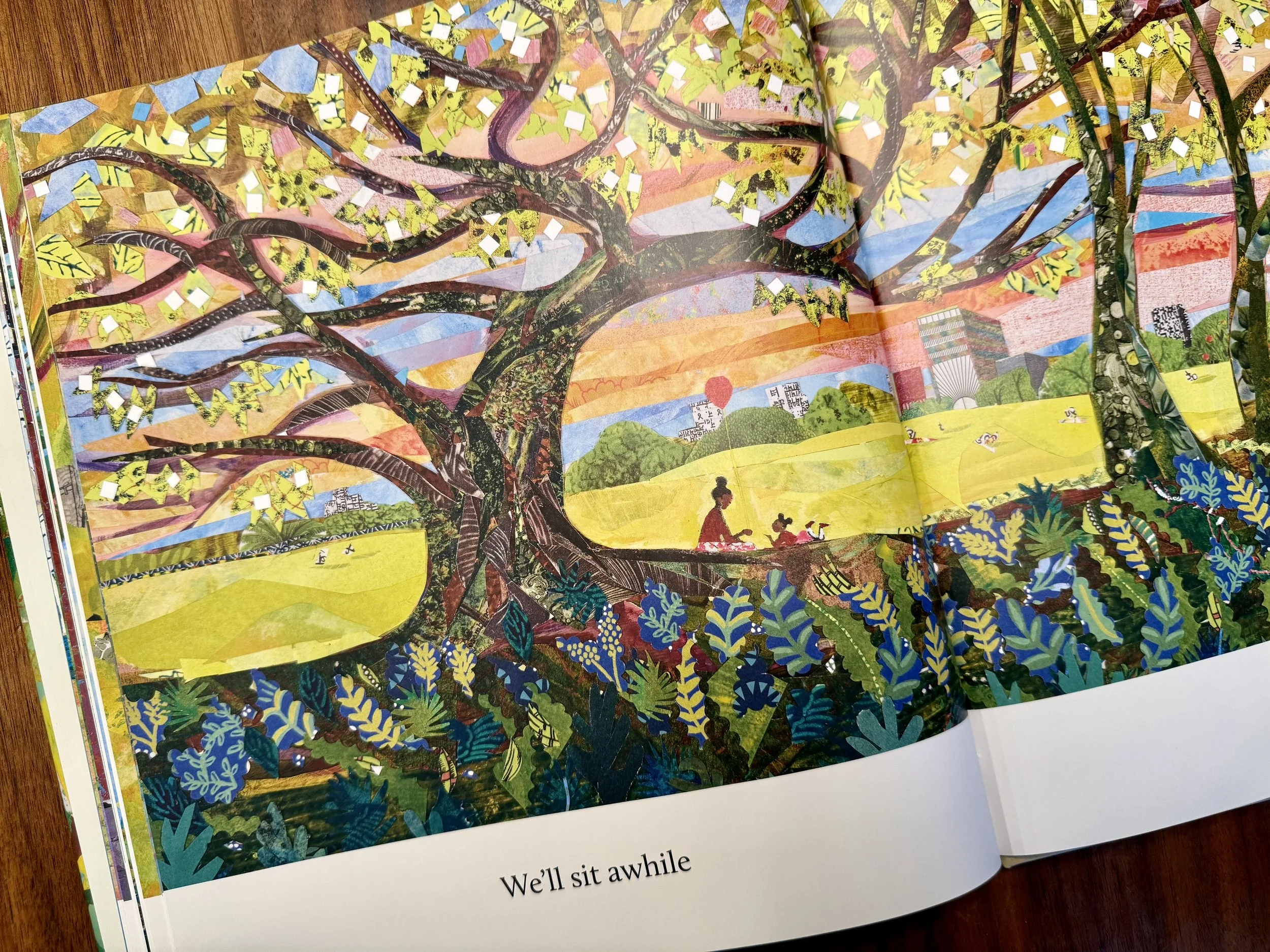
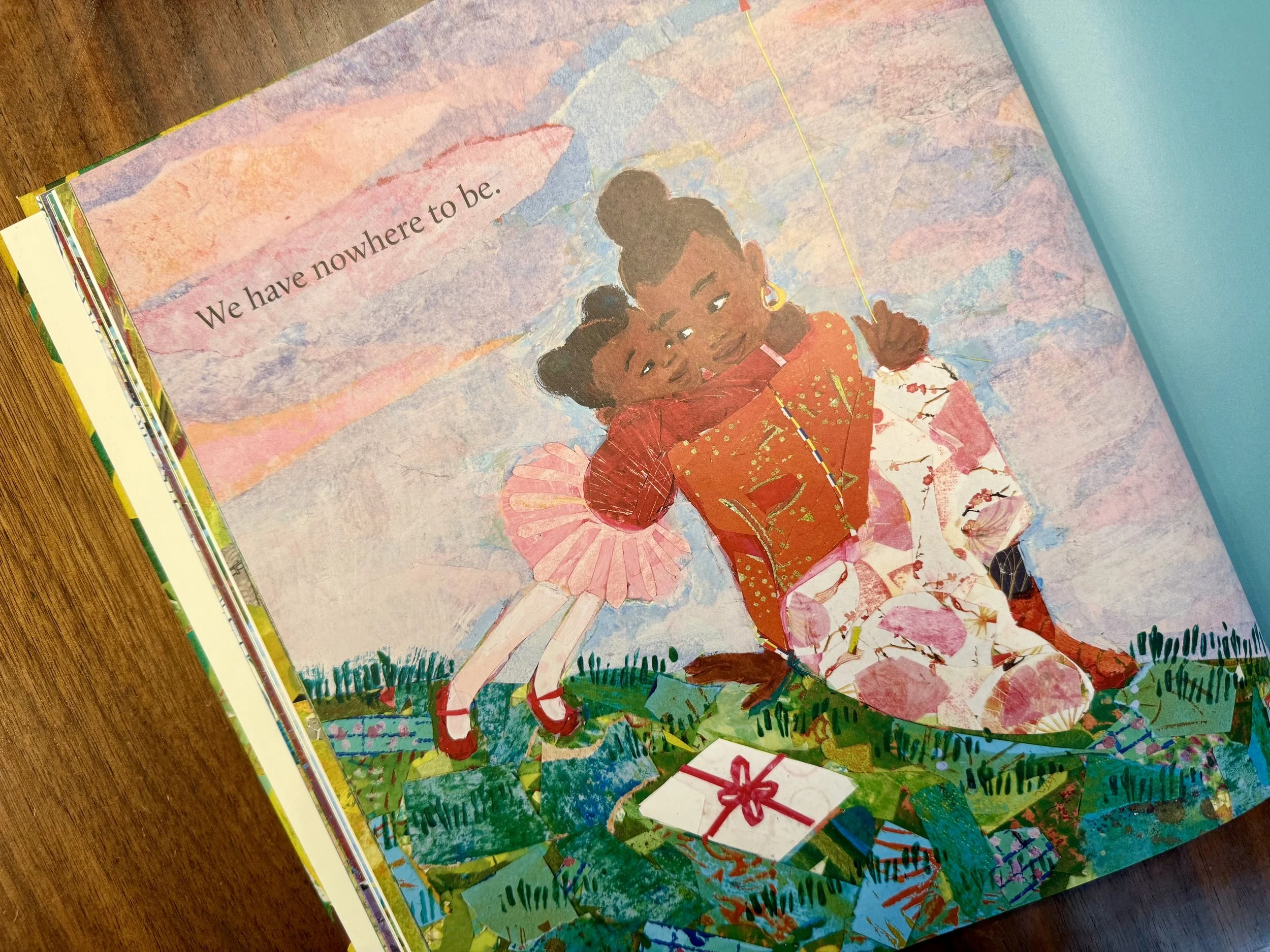
While We’re Here by Anne Wynter, with illustrations by Micha Archer, invites readers into a quiet, reflective space centered on a simple but powerful idea: we are here, together, in this moment. Through rhythmic language and layered, collage-style artwork, the book explores what it means to exist alongside others—humans, animals, and the natural world—right now. A striking message for anyone; however, anyone in a caretaker role will truly appreciate the images of slowing down and being with our kids in the everyday moments.
The text moves gently through shared experiences (and yes, disappointment), grounding readers in presence rather than urgency. It doesn’t rush toward a conclusion; instead, it lingers. It asks us to notice where we are, who we are with, and what it means to simply be.
For writers and journalers alike, While We’re Here becomes an invitation to pause, reflect, and write from the present moment—not as something fleeting, but as something worth holding onto.
In this post, you can find…
Tips for using this book as a mentor text for writing
Ways to use the book with preschoolers, grades k-5, grades 6-8, grades 9-12, and for disciplinary literacy projects
Journaling prompts linked to the book (including nature journaling)
One grammar exercise to access grammar instruction
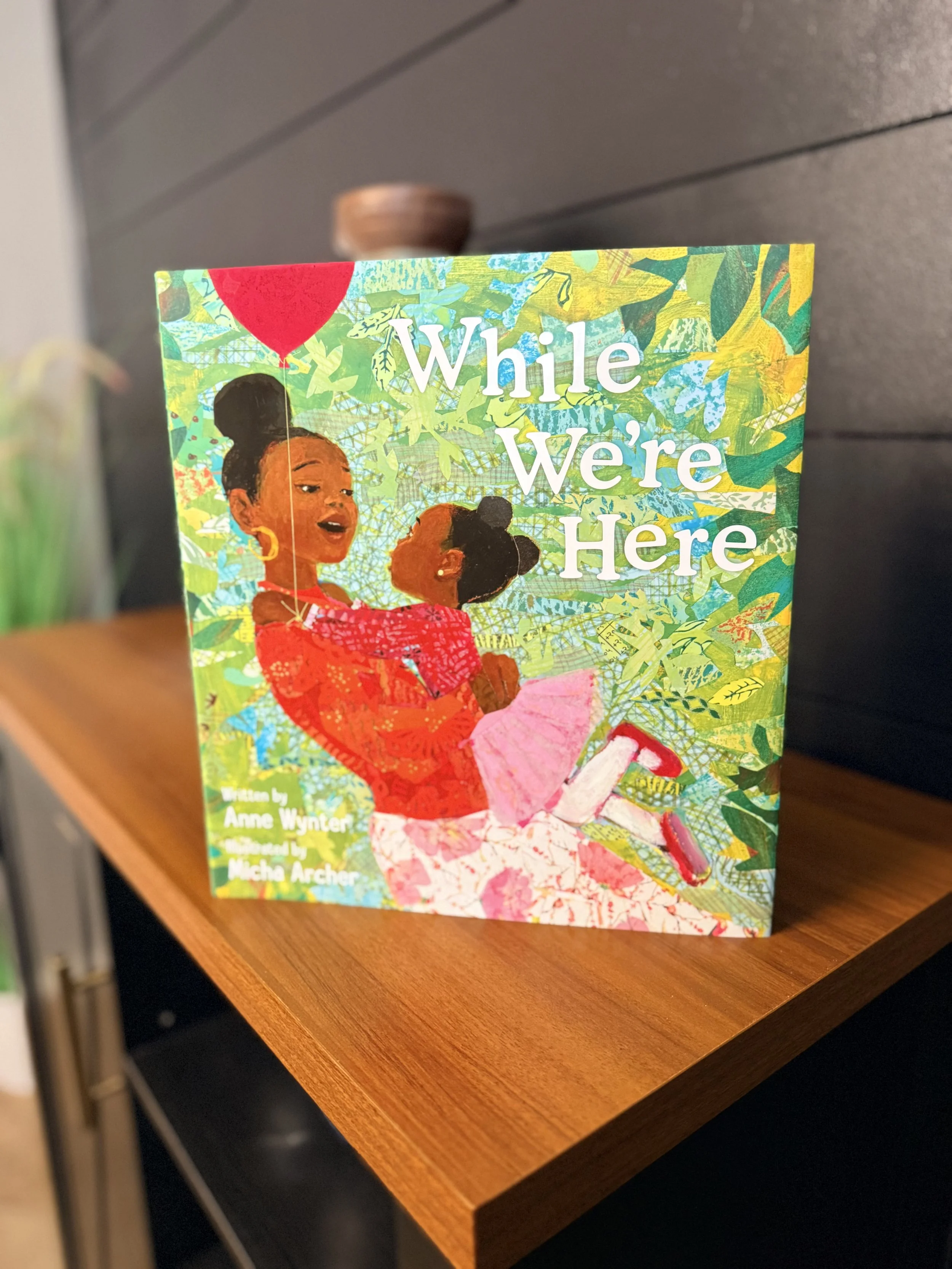
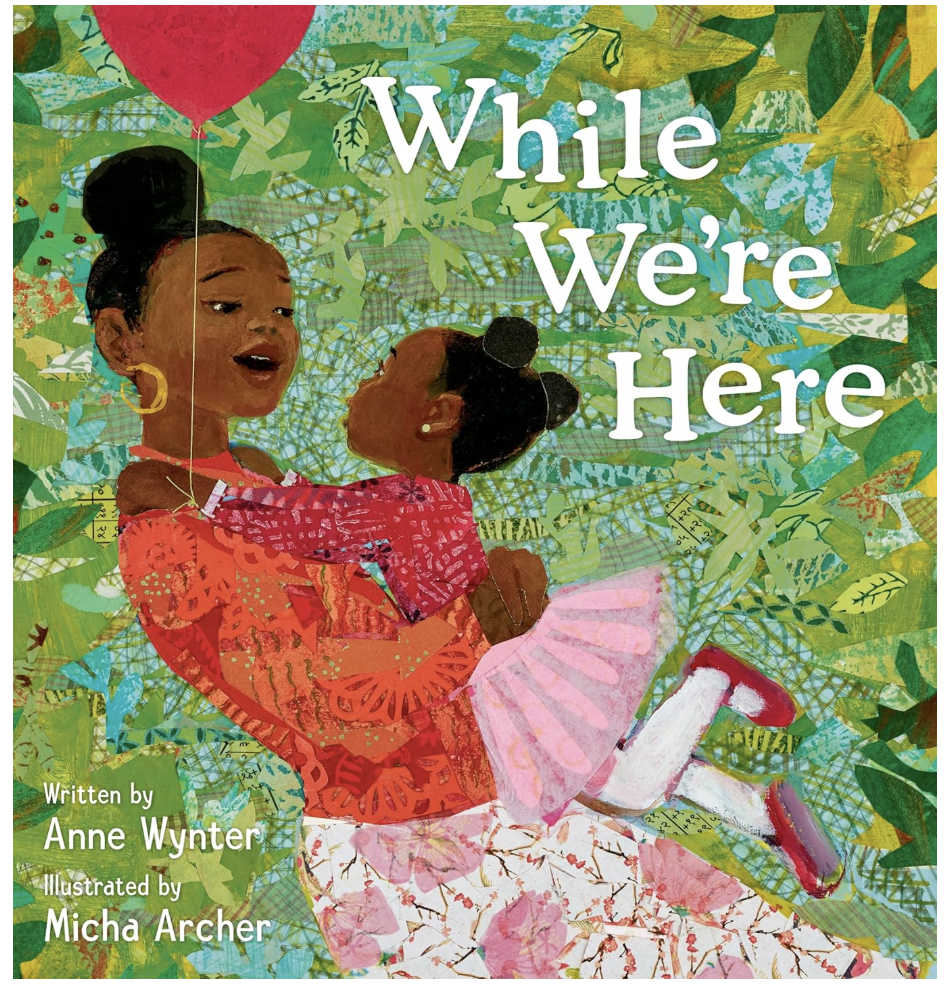
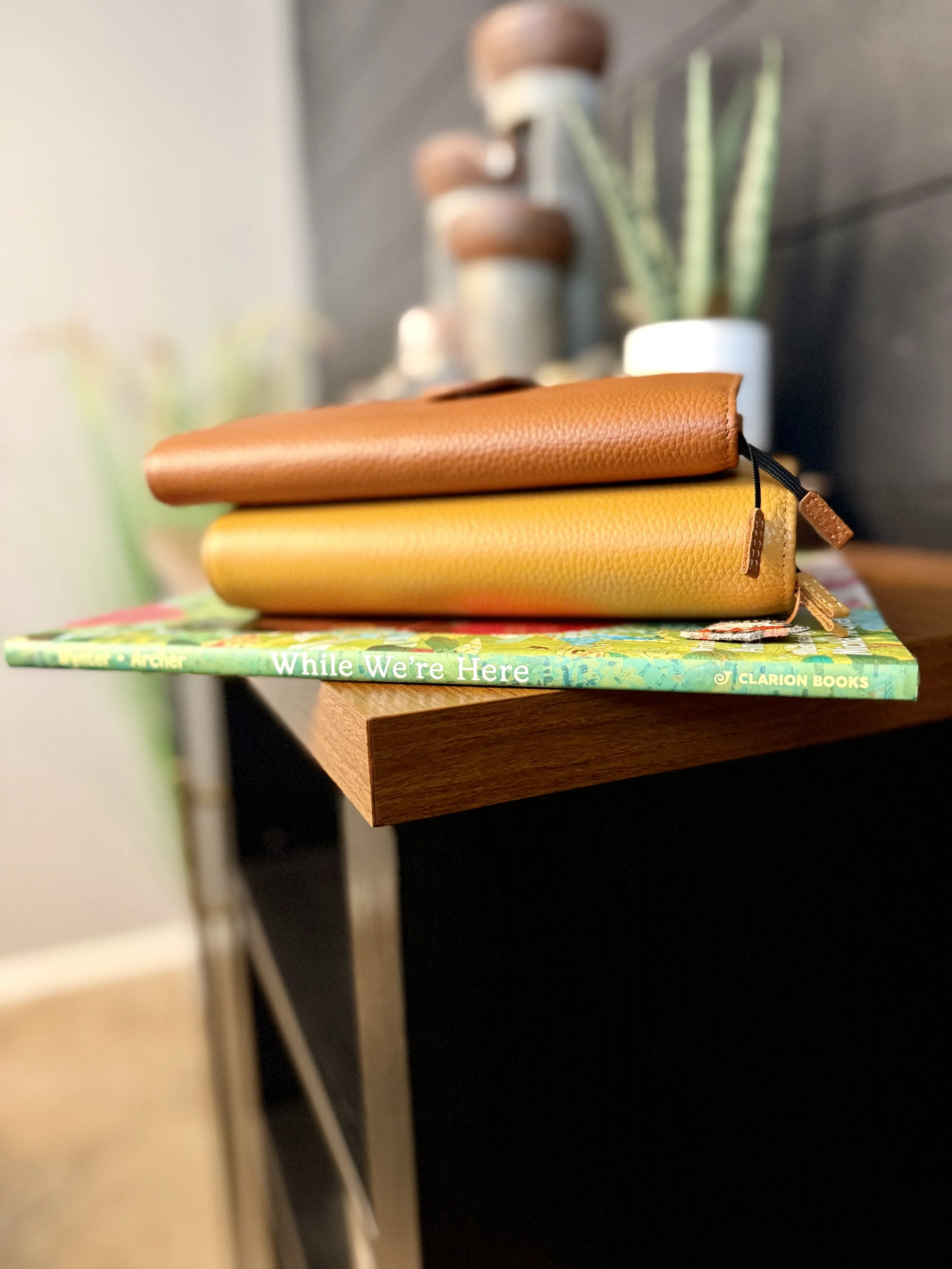
While We’re Here
by Anne Wynter and Micha Archer
*SIX STARRED REVIEWS!*
Award-winning creators Anne Wynter and Micha Archer share a mother-daughter tale about delighting in small pleasures throughout the city. Perfect for fans of Oge Mora and Sophie Blackall.
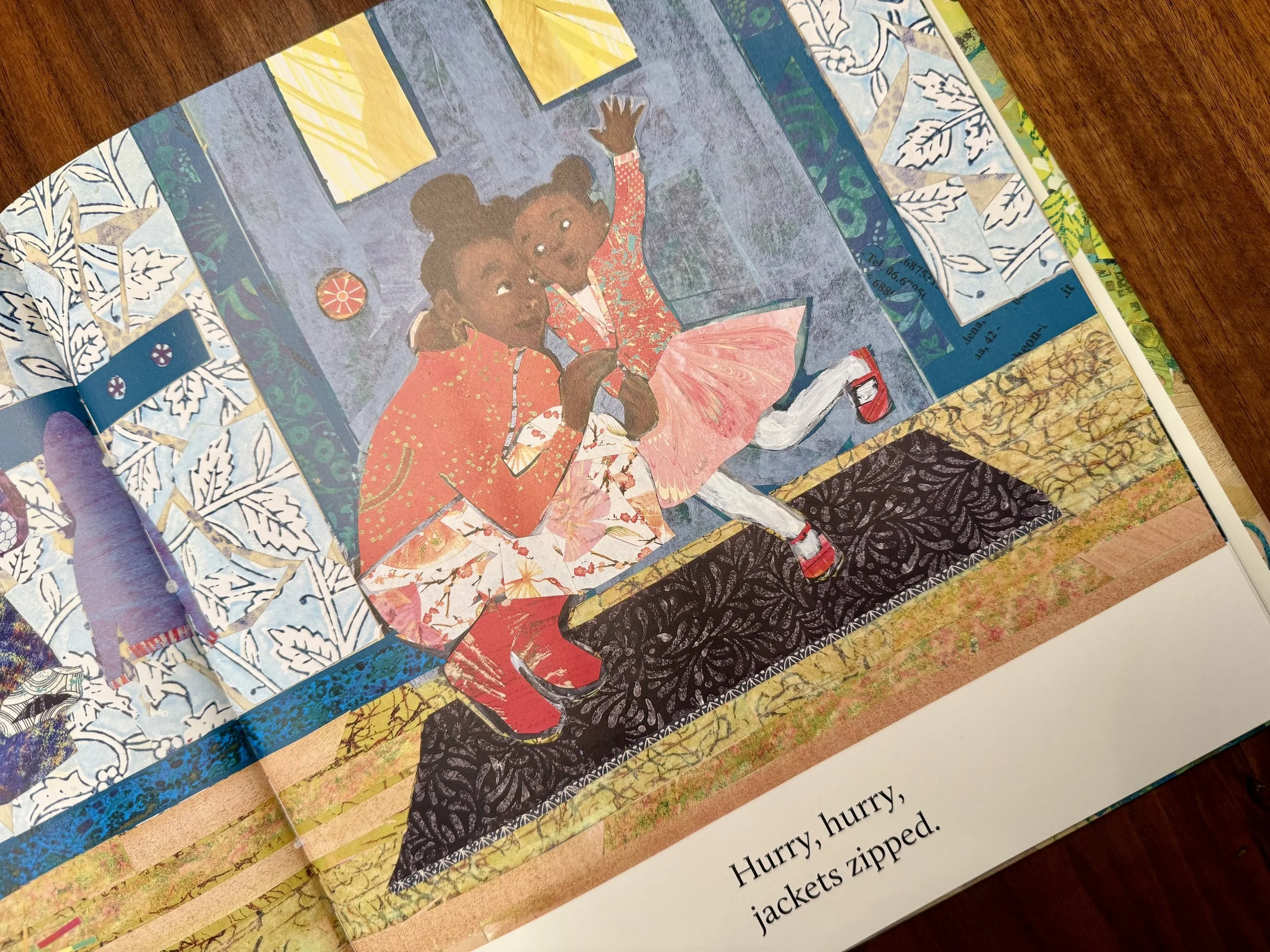
Anne Wynter perfectly captures the hurry and hustle of a busy day. But when plans change and a girl and her mother slow down to savor small pleasures, the real celebration begins.
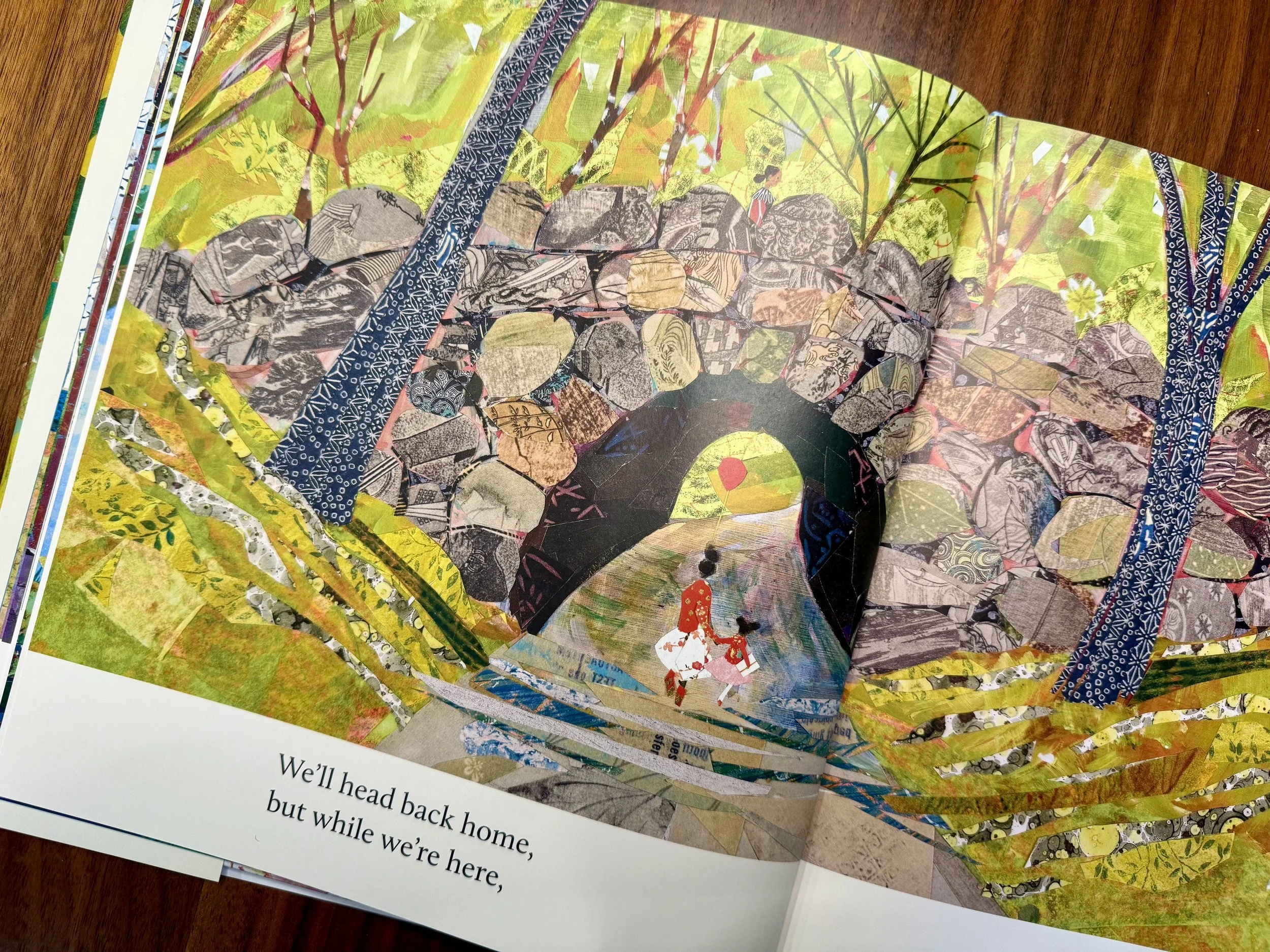
Dazzling, kaleidoscopic cut paper artwork from Caldecott Honor artist Micha Archer highlights each special moment in this sweet tribute to time spent together.
Using While We’re Here as a Mentor Text
This mentor text is ideal for teaching presence, repetition, and reflective thinking. Wynter’s writing models how language can create rhythm and meaning through structure, while Archer’s illustrations deepen the emotional landscape.
When reading While We’re Here, notice how the text:
Centers on the present moment – Everything unfolds in the “now,” reinforcing mindfulness.
Uses repetition with variation – Phrases echo and shift, creating a sense of rhythm and connection.
Explores shared experience – The focus is not just on “I,” but on “we.”
Pairs simplicity with depth – The language is accessible, yet layered with meaning.
As a mentor text, this book shows that writing can be both simple and profound. It reminds us that reflection does not require complexity—it just requires attention.
Journaling Prompt: “While I’m Here…”
Open your journal and begin with the phrase:
While I’m here…
Let your writing unfold from that starting point. Focus on the present moment—your surroundings, your thoughts, the people or spaces around you.
You might write:
While I’m here, I notice the quiet hum of the room…
While I’m here, I am sitting beside someone I love…
While I’m here, the light shifts slowly across the wall…
Try to mirror Wynter’s style—gentle, reflective, and grounded in connection.
Sample openings:
While I’m here, I want to remember this moment…
While I’m here, everything feels still and full at the same time…
While I’m here, I realize how much I usually miss…
This exercise builds mindfulness, reflection, and an awareness of shared experience.
From Stephanie’s notebook, 2026
Why This Works
Presence is often overlooked in writing. We rush to narrate the past or plan for the future, but While We’re Here reminds us that the present moment holds meaning worth exploring.
Writing from the “now” helps us:
Slow down our thinking
Deepen awareness of our surroundings
Strengthen reflective voice
Build emotional connection to our writing
👉 Try it today: Set a timer for five minutes. Write continuously, beginning with “While I’m here…” and stay grounded in the present moment.
For Educators: Bringing While We’re Here into the Classroom
Preschool Literacy Connections
Young learners are naturally present-focused. This text helps give language to that awareness.
Ask students: “What do you see right now?”
Create shared sentences: “While we’re here, we see…”
Draw and label what is happening in the moment
Practice naming feelings connected to present experiences
Grades K–5
Use “While I’m here…” as a sentence stem for writing
Create a class book: While We’re Here Together
Pair writing with illustrations to capture the moment
Practice adding details: What do you see, hear, or feel right now?
Grades 6–8
Begin with a quickwrite: “What does it mean to really be present?”
Study repetition and how it builds meaning
Write reflective paragraphs grounded in a single moment
Revise writing by adding layers of detail and reflection
Grades 9–12
Discuss presence as a philosophical concept: What does it mean to “be here”?
Write personal reflections on distraction vs. attention
Experiment with repetition and structure in writing
Connect to mindfulness practices or journaling routines
Disciplinary Literacy Connections
While We’re Here can extend across content areas:
Science: Observe an environment and record what is happening in real time
Art: Create layered collages representing a moment or place
Social Studies: Explore how communities experience shared moments
Math: Track time spent in focused attention vs. distraction and reflect
Each activity reinforces that writing is a tool for thinking, noticing, and understanding.
Grammar Focus: Sentence-Level Craft
Skill Focus: Using Repetition for Effect
Wynter uses repeated sentence structures to build rhythm and meaning.
Example pattern:
While we’re here, we listen.
While we’re here, we notice.
While we’re here, we remember.
Have students:
Choose a sentence stem (e.g., “While I’m here…”)
Repeat it across 3–5 sentences
Vary the ending to add new meaning each time
This strengthens fluency, rhythm, and intentional sentence construction.
Nature Journaling Connection
While We’re Here pairs beautifully with outdoor or observational journaling.
Sit quietly in one place for several minutes
Write from two perspectives:
The observer: “While I’m here, I notice…”
The collective: “While we’re here, we are…”
Add sketches or collage elements inspired by Micha Archer’s textured style
This practice nurtures calm, awareness, and creative exploration.
Additional Journal Prompts for Wellness
When do I feel most present in my life?
What pulls me away from the moment?
Who am I “here with,” and how does that shape my experience?
What would change if I slowed down more often?
These prompts support reflection, grounding, and emotional awareness.
Final Thought
While We’re Here reminds us that life is not only made of big events or future plans. It is made of small, shared moments. Sometimes these moements are quiet, passing, and often unnoticed.
Through writing, we can hold onto those moments just a little longer.
When we invite ourselves and our students to be present, we are not just teaching writing—we are teaching awareness, connection, and what it means to truly be here.